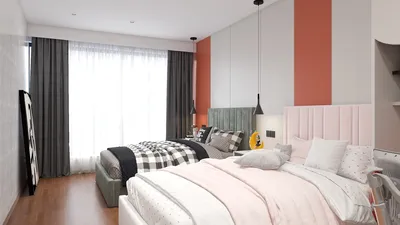


I had a client who wished for their bedroom ceiling to reflect a vibrant sunrise, incorporating glow-in-the-dark paint and unique wallpaper sourced from a flea market. The result was striking at 2 a.m., teaching me that small spaces benefit from daring decisions and the importance of visualizing concepts to prevent spontaneous late-night decisions. For those looking to explore designs swiftly, utilizing a platform like Homestyler to create a sample bedroom layout can be invaluable before making permanent changes.
1. Fabric headboards and layered textiles
I enjoy substituting a costly headboard with a DIY padded fabric panel or a decorative hanging tapestry. This approach not only enhances sound absorption but also introduces vibrant colors, allowing seasonal fabric changes. The only drawback can be durability, as inexpensive fabric may sag over time. To combat this, I advise using simple stiffening boards and washable covers for easier maintenance.
save pin
2. Budget-friendly layered lighting
One DIY method I highly recommend is combining warm string lights with a bedside lamp and a dimmable overhead fixture. This layered lighting technique establishes a welcoming ambiance and promotes better sleep cycles. Although wiring can be a task, battery-operated puck lights and plug-in wall sconces can help you bypass electrician fees.
save pin
3. Peel-and-stick accent walls with trim
Utilizing peel-and-stick wallpaper or vinyl tiles allows you to accentuate a wall without the hassle of plastering, making it ideal for rental spaces. I once applied an accent stripe and affordable molding in a compact client’s room, although aligning the patterns required careful measuring from a vertical edge. To visualize before cutting, creating a 3D mockup in Homestyler can help you preview colors and proportions effectively.
save pin
4. Floating shelves and multifunctional furniture
When space is limited, floating shelves and a bench with hidden storage become invaluable. I transformed a 2.5-meter wall into a combined makeup bar and bookshelf—its clean, functional design also felt cozy. Just remember, the right anchors are crucial; use appropriate wall plugs for heavier items and ensure visual balance to keep the space from feeling cluttered.
save pin
5. Personal gallery walls and hanging art
Gallery walls are a favorite final touch in decorating. By combining photos, fabrics, and a DIY macramé piece, you add a personal flair. This approach is cost-effective and impactful; the key is to lay your frames out on the floor and capture a photo of the arrangement before committing to the wall. For a modern twist, consider blending handmade items with design inspiration from Homestyler to create unique color combinations.
save pin
FAQ
Q1: What are some simple DIY bedroom decorations for beginners?
Start with textiles—like cushion covers, throw blankets, and removable rugs. They’re affordable, flexible, and quickly alter the room's vibe.
Q2: How can I create the illusion of a larger bedroom?
Incorporate vertical elements such as tall shelving and consistent wall colors to create the impression of height. Reflective surfaces like mirrors placed opposite windows can also amplify light and visually expand the area.
Q3: Are peel-and-stick wallpapers reliable?
High-quality peel-and-stick materials can endure for years when applied correctly on clean, smooth surfaces. It’s best to avoid them on uneven walls or in humid zones.
Q4: How can I select lighting to enhance sleep quality?
Choose warm, dimmable lighting in the evening and steer clear of cool-blue LEDs leading up to bedtime. According to research by the National Sleep Foundation, reducing light exposure before sleep supports melatonin production (National Sleep Foundation, 2019).
Q5: What tools are essential for beginner bedroom DIY projects?
Fundamental tools should include a measuring tape, level, hammer, screwdriver set, and a stud finder. For installing decals and wallpaper, a plastic squeegee and a sharp utility knife will ensure a cleaner finish.
Q6: Can these projects be executed in a rental?
Absolutely—opt for removable solutions like command strips, peel-and-stick wallpaper, standalone shelving, and plug-in lighting options. Always review your lease for any hanging limitations.
Q7: How should I plan my budget for a DIY bedroom refresh?
Establish a clear budget range: $50 for textile upgrades, $100–300 for accent walls or lighting improvements, and $300+ for larger furniture pieces. I often suggest spreading out projects over a few weekends to manage expenses more easily.
Q8: Where can I visualize my DIY concepts before executing?
While sketching on paper is an option, I recommend utilizing online design tools or free planners like Homestyler to experiment with scale and color. Seeing a layout beforehand can save both time and money.
Homestyler is your go-to online home design platform, perfect for turning your vision into reality. With an intuitive design tool, stunning 3D renderings, and a wealth of DIY video tutorials, you can effortlessly create and customize your dream space. Start designing today!
Desain sekarang Gratis
































