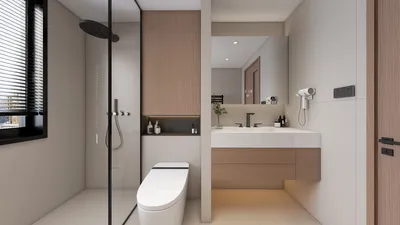


The initial request I received from a client to replicate an Anthropologie mirror on a limited budget almost made me consider recommending they sell their home instead. However, I ended up doodling a design for a leather-strap mirror on a napkin, crafted it using thrift-store finds, and successfully impressed them. I later showcased the design using an AI home design case study to illustrate how it would look across three different rooms. Projects like these highlight how smaller spaces and tight budgets can ignite immense creativity.
1. Leather-strap Hanging Mirror
The striking simplicity of a leather strap has a cozy, tactile appeal reminiscent of Anthropologie's aesthetic. To craft one, purchase an affordable round mirror, fasten a 1.5" leather belt or stitched strap to brass D-rings, and hang it from a striking hook. This design gives off a luxurious feel without breaking the bank. However, keep in mind that leather can stretch over time, so periodic adjustments may be necessary, or you might opt for faux leather if humidity is a concern.
save pin
2. Painted Boho Frame with Stencils
On one occasion, I painted a basic mirror for a client who wanted something that felt eclectic rather than too coordinated. I layered chalk paint, added a metallic wash, and applied small geometric stencils for visual interest. This technique is both forgiving and budget-friendly, but if you aim for a sleek metallic finish, be prepared to sand between layers for the best results—patience really does pay off here.
save pin
3. Sunburst from Dowels and Gold Leaf
Sunburst mirrors can have an expensive look even when created as a DIY project. I have fashioned these by cutting wooden dowels into various lengths, gluing them onto a circular base, and giving the ends a light gilding with gold leaf. This design is bold and makes a great statement piece for a focal wall, though it can be time-consuming. Allow a few hours for assembly and drying. To envision how this piece will coordinate with cabinetry or furniture, I often refer to intelligent kitchen layout examples to assess scale and flow.
save pin
4. Mixed-Frame Gallery Mirror Cluster
When clients seek a charming eclectic vibe, I love mixing thrifted frames with small round mirrors. To create cohesion, spray paint the frames in a unified color palette. This strategy allows for imperfections in the frames to be less noticeable, although achieving a pleasing composition might take some experimentation—lay everything out on the floor and photograph various arrangements before committing to hammering nails.
save pin
5. Embellished Vintage Frame with Textile Inlay
To achieve a tactile, Anthropologie-like appearance, I’ve salvaged ornate frames and added a strip of patterned fabric or woven trim behind the glass or in a shallow rabbet. This method provides a curated, globally-inspired look; however, fabric can fade when exposed to direct sunlight, so it’s advisable to choose lightfast materials and possibly UV-protective glass. To visualize the finish and texture at eye level, I sometimes employ quick mockups or request photo-real 3D renders using a platform like Homestyler, which helps mitigate surprises during installation day.
save pin
FAQ
Q1: What materials do I need for a DIY mirror inspired by Anthropologie?
I typically suggest using a thrifted or inexpensive round mirror, paint or gold leaf, along with leather or textile trims, and basic tools like a drill and strong adhesive. Opt for materials based on the intended location, as bathroom humidity necessitates different selections than a hallway.
Q2: How can I hang a heavy DIY mirror securely?
Utilize wall anchors suitable for your wall type or locate the studs and use screws; for particularly heavy mirrors, consider employing French cleats. If unsure, it's wise to consult a professional installer to prevent potential accidents.
Q3: Can I apply gold leaf over painted surfaces?
Absolutely—apply an appropriate adhesive size over a smooth painted base, then place the gold leaf and seal it with a clear coat. It’s advisable to test your technique on a small scrap piece first to refine it.
Q4: Is faux leather a viable option for the strap technique?
Yes, faux leather is an excellent budget-friendly and low-maintenance choice, plus it won't stretch like real leather. Just ensure you select high-quality vinyl that is durable over time.
Q5: How can I prevent fabric inlaid mirrors from fading?
Use lightfast fabrics designed for upholstery or apply UV-protective glass or acrylic to shield the fabric from direct sunlight and dust.
Q6: Do you have quick solutions for mismatched frames?
You can unify mismatched frames by spray painting them with a consistent color or metallic finish; a matte base with selective gilding can create an intentionally curated appearance rather than a chaotic one.
Q7: Where can I find best practices for safety and standards in interior projects?
I often direct people to professional organizations like the American Society of Interior Designers (ASID) for guidelines and resources. Their website at https://www.asid.org offers reliable information on design practices.
Q8: What budget should I plan for a DIY Anthropologie-style mirror project?
You should anticipate spending between $15 and $150 based on the size and materials used: thrifted options combined with paint remain economical, while leather and quality gilding will increase the overall cost. I always recommend setting aside a small contingency for better hardware or seals that enhance the longevity of the piece.
Discover your creativity with Homestyler, the ultimate online home design platform! Its easy-to-use design tool and stunning 3D renderings empower you to visualize your dream space. Plus, access a wealth of design projects and DIY video tutorials to inspire your next home transformation.
Design jetzt kostenlos
































