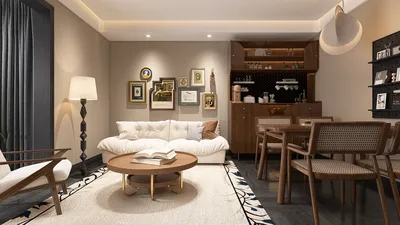


I once worked with a client who had a unique request for their dining table design: they wanted the base to effectively "hide the blender". This prompted my creative juices to flow, and almost led me to design a kitchen island by accident. Navigating small spaces necessitates inventive solutions; a well-designed table base can enhance visual lightness, provide storage, or serve as a captivating centerpiece in the room. This is why I’m particularly fond of the concept of a floating illusion beneath a tabletop, as it deceives the eye and opens up the floor area.
1. Single Pedestal (Central) Base
In compact city apartments, I frequently opt for pedestal bases since they maximize legroom, allowing chairs to slide in effortlessly from any direction. The primary advantage is a clean, spacious aesthetic along with excellent movement flow; however, a minor drawback is related to stability. Heavier and larger pedestals tend to cost more but provide a solid feel. For budget-conscious options, consider using a cast iron or weighted steel pedestal to achieve a slim profile without wobbling.
save pin
2. Classic Trestle Base
Trestle bases are my go-to choice for clients desiring a communal and rustic atmosphere; they exude warmth perfect for family dinners and extended conversations. These bases accommodate uneven flooring well and can also serve as low storage for baskets, though oversized versions might impede leg space at the ends. In one instance, I integrated a trestle that allowed a movable butcher block to tuck beneath — a small technique that made a significant impact.
save pin
3. X-Frame or Sawhorse Legs
X-frames impart a modern farmhouse aesthetic while ensuring a lightweight feel both visually and structurally; they are surprisingly robust when well joined together. In kitchens where every inch counts, a space-efficient pedestal or narrow X-frame can effectively balance style with clearance needs. However, maintenance can be an issue due to exposed welds or raw metal that may show signs of wear, so consider protective finishes in your plans.
save pin
4. Hairpin or Splayed Metal Legs
When clients seek minimalism without breaking the bank, hairpin legs are my go-to solution — they are affordable, stylish, and make the tabletop appear to float. These legs might limit under-table storage and can occasionally seem too fragile for extremely heavy surfaces. However, pairing them with a thicker wooden slab effectively resolves any sturdiness concerns. They are straightforward to install and easily replaced if design preferences change.
save pin
5. Mixed-Material Floating Base
I enjoy merging wood and metal; a recessed metal frame combined with a wooden apron creates a "floating" tabletop that embodies both warmth and modernity. This method is ideal for achieving the aesthetic of wood without a bulky presence; the challenge lies in the precision of the joinery, which can increase labor costs. If you're interested in advanced planning, playing around with models that highlight how light interacts with the base during adjustments will significantly reduce revision time — I often utilize mockups to preempt surprises, especially when blending materials for a cozy feel.
save pin
FAQ
Q1: What type of base is optimal for a compact dining area?
A pedestal or a slim X-frame is typically the most effective choice as they optimize legroom and promote a sense of openness on the floor. If your tabletop is larger, I suggest a weighted central pedestal for added stability.
Q2: Are hairpin legs strong enough for heavier tabletops?
Yes, provided you select steel hairpins that are load-rated and pair them with an appropriately thick top. For stone or concrete surfaces, I would recommend a reinforced frame for better support instead of relying solely on hairpins.
Q3: How do I properly measure for a trestle base?
To measure correctly, consider the length of the table while allowing at least 24–30 inches of knee clearance from the ends, ensuring that the trestle feet do not interfere with chair legs. I often create a mock-up with cardboard to ensure the fit before building.
Q4: Will a floating base limit my storage options?
Generally, yes — the focus on aesthetics can reduce hidden storage, but you can design low-profile baskets or a recessed shelf to regain some functionality. It’s essential to strike a balance between achieving a clean look and addressing practical needs.
Q5: Which materials are most durable for table bases?
My top recommendations for longevity include steel and solid hardwood; powder-coated steel resists rust while hardwood withstands impact. It's advisable to steer clear of flimsy laminates on thin MDF if durability is a priority.
Q6: What budget should I anticipate for a custom table base?
Expect to invest more for custom joinery and intricate metalwork — basic hairpin or factory-made pedestals start at lower prices, while handcrafted mixed-material bases may cost significantly more. I always encourage clients to establish a clear budget and prioritize their spending wisely.
Q7: What is the recommended clearance between the chair seat and the tabletop?
The industry standard suggests approximately 10–12 inches of clearance between the top of the chair seat and the underside of the tabletop. This guideline, backed by the American Society of Interior Designers (ASID), ensures comfortable seating (ASID, asid.org).
Q8: Can I add a new base to an existing tabletop?
Most tabletops can indeed be retrofitted, but it's crucial to check the thickness and weight capacity of the top first; you might need reinforcement or blocking. I typically conduct a test-fit of the base in my workshop prior to final installation to confirm compatibility.
save pin
Homestyler is your go-to online platform for effortless home design. With its user-friendly design tool, stunning 3D renderings, and a wealth of design projects and DIY video tutorials, transforming your living space has never been easier or more inspiring. Start designing today!
Design Now for FREE
































