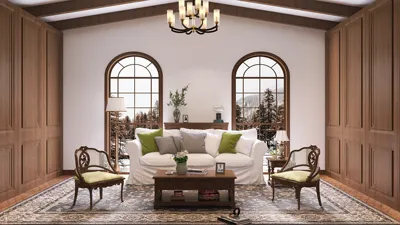


I once faced a challenge from a client who wanted to fit a six-seater dining set, a fireplace, and a piano into a 15-square-meter room while ensuring it felt airy. Initially, I thought it was an impossible task. However, this experience revealed how effectively blending dining and lounge functions can transform a basic space into a vital hub of the home. Indeed, small areas often inspire the most innovative solutions. Today, I’m excited to share ten creative dining room lounge ideas inspired by my own work — some of which emerged from unexpected hurdles — that you can easily implement in your home. When considering your layout, using tools like Homestyler can help you avoid many structural headaches.
1. Define Areas with Rugs
One technique I often use is to anchor different zones with distinct rugs. By placing a low-pile patterned rug underneath the dining area and a soft, textured one in the lounge, it's easy to delineate where one space ends and another begins. This method is wallet-friendly and allows for seasonal changes.
2. Furniture with Dual Functions
I enjoy incorporating benches that serve both dining and casual seating purposes. A plush, deep bench can align seamlessly with the table for dinners and be moved to the sofa area for movie nights. The downside? Guests sometimes compete for the cozy bench seat instead of opting for the chairs.
3. Back-to-Back Arrangement
Positioning the back of the sofa towards the dining table naturally separates the spaces without the need for walls. I implemented this layout in a city apartment, giving the feel of two distinct rooms in one. Just be sure to maintain clear paths to prevent any accidents while carrying a plate of spaghetti.
4. Make an Impact with Lighting in Each Area
Opt for a striking pendant light above the dining table, paired with a quirky floor lamp in the lounge. This layered lighting approach enhances each area’s purpose. In open layouts, it supports the eye in quickly distinguishing between dining and relaxation zones.
5. Maintain a Consistent Color Theme
Using a cohesive color palette, even when different areas are defined, helps unify the space. Currently, I'm fond of warm neutral tones combined with soft greens that fit wonderfully in multifunctional environments. I often sketch these color schemes at the initial planning stage, sometimes utilizing a free floor plan creator such as Homestyler to help clients visualize the overall flow.
6. Include Built-In Banquettes
A built-in banquette can save space while providing storage underneath. In a loft project, we even managed to combine the lounge's bookshelf into the banquette design, creating a seamless flow between the two areas. This is a true savior for small spaces — just be sure to measure accurately before customizing.
7. Use Mirrors to Create an Illusion of Space
Positioning mirrors behind the dining area can enhance the perception of space. Sometimes, I place them opposite a window in the lounge to reflect sunlight. However, there's a downside: you may find yourself catching your reflection mid-bite, which isn't everyone's cup of tea.
8. Versatile Coffee and Dining Tables
Furniture on wheels allows for adjustments depending on the occasion. For a couple who hosts weekly game nights, I designed a lounge-dining hybrid where their mobile coffee table quickly transformed into a snack station.
9. Use Vertical Storage for Separation
Incorporating an open shelving unit between the lounge and dining areas defines the space while providing extra storage. By adding plants, books, and ceramics, it creates a curated look rather than a cluttered one. This technique works exceptionally well alongside an adjustable kitchen layout planner when the dining space is adjacent to the kitchen.
10. Layer Different Textures for Added Comfort
A combined dining-lounge area can risk feeling monotonous if finishes are too uniform. Mixing wood textures at the dining table with plush fabrics in the lounge enhances visual interest and comfort, making the space more inviting for post-meal relaxation.
FAQ
Q: What are some tips for making a small dining-lounge area feel more spacious?
A: Keep furniture appropriately sized for the space, use lighter colors, and define areas with rugs and layered lighting.
Q: How can I ensure cohesion between the two areas?
A: Adhere to a unified color scheme and repeat similar materials or textures throughout both zones.
Q: Are built-in features valuable in small spaces?
A: Absolutely, especially if you plan to remain long-term. They maximize storage and can blend various functions beautifully.
Discover the joy of home design with Homestyler! This user-friendly online platform offers a powerful design tool, stunning 3D renderings, and a wealth of inspiring design projects and DIY video tutorials. Transform your ideas into reality effortlessly and creatively!
Desain sekarang Gratis
































