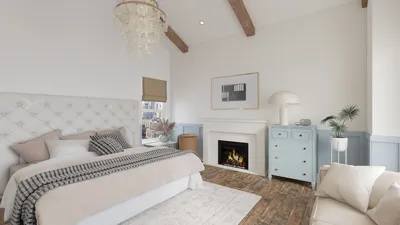


Throughout my decade-long journey as an interior designer, I've discovered that small and unique spaces, such as a living room without windows, often lead to the most inventive design approaches. This year’s popular design trends focus on creating multifunctional areas, utilizing layered lighting, and the smart use of reflective surfaces. In this piece, I will share 10 practical and chic ideas for windowless living rooms, combining my insights with professional advice to help you convert a potentially dreary area into a welcoming haven, possibly with the help of Homestyler.
1. Layered Ambient and Task Lighting
Personal Experience: When redesigning a windowless lounge in an apartment, I found that lighting was my most valuable asset. I incorporated a variety of warm recessed lights, wall-mounted sconces, and an eye-catching floor lamp to replicate the natural variation in light.
Advantages: By combining ambient, task, and accent lighting, you can add depth and diminish the flat, artificial quality of a space without windows. The Illuminating Engineering Society reports that layered lighting contributes to visual comfort in confined areas.
Disadvantages: More lighting fixtures lead to higher initial costs and might create logistical challenges with additional cords or wiring.
Tip: Consider installing dimmers to modify the ambiance throughout the day.
2. Oversized Mirrors for Illusion
Personal Experience: In a compact studio I revamped last year, a large antique mirror expanded the perception of space and beautifully mirrored the soft light from the lamps, creating an illusion akin to having an invisible window.
Advantages: Mirrors reflect light and instill an airy sensation, particularly in small, windowless living areas. They can also serve as impressive focal points.
Disadvantages: Heavy mirrors require secure mounting, and less expensive variants might distort reflections.
Using an L-shaped layout can effectively maximize surface area when paired with a large mirror on one wall for an increased sense of space.
3. Light, Neutral Color Palette
Personal Experience: My preferred color scheme for spaces lacking windows features warm whites, soft grays, and gentle taupes. In a recent undertaking, these hues significantly counteracted the absence of natural light.
Advantages: Lighter neutrals improve the reflection of artificial light, keeping the environment feeling open and bright. They also offer flexibility for decorative accents and seasonal changes.
Disadvantages: Without variations in texture or tones, a neutral palette can appear lifeless.
Tip: Incorporate textiles like wool throws and linen cushions to add warmth.
4. Artificial Skylights or LED Panels
Personal Experience: A tech-savvy client requested an LED panel that mimicked a sunny sky. Coupled with a wall mural of treetops, it brought an uplifting sensation to the room.
Advantages: Such features can psychologically enhance your mood by simulating natural daylight cycles, helping to align your circadian rhythm.
Disadvantages: High-quality products can be costly and often need professional setup.
Tip: Opt for panels with adjustable color temperatures for both day and night settings.
5. Vertical Greenery Walls
Personal Experience: I've added preserved moss and faux ivy panels to dark lounges, instantly enlivening and softening the room’s atmosphere.
Advantages: They introduce color, texture, and an element of biophilic design even in the absence of sunlight; low-maintenance options are available.
Disadvantages: Live plants require grow lights to flourish; artificial greenery needs occasional cleaning.
6. Accent Walls with Pattern or Texture
Personal Experience: For a basement living space, a textured stone wall added visual intrigue and effectively diverted attention from the lack of windows.
Advantages: Bold patterns or textures impart depth and character, particularly when matched with warm wood accents for a cozy vibe.
Disadvantages: Overly elaborate designs can overwhelm small areas; maintaining balance is crucial.
Tip: Utilize peel-and-stick options for a renter-friendly update.
7. Floating Shelves with Integrated Lighting
Personal Experience: Creating floating bookshelves in a recessed wall niche while concealing LED strips underneath turned these shelves into a storage and lighting solution.
Advantages: This approach conserves floor space, adds functional lighting, and supports a customized appearance.
Disadvantages: Custom designs can be pricey; improper installation may lead to sagging.
8. Multi-Functional Furniture
Personal Experience: In small, darker living rooms, I often select ottomans with hidden storage and convertible sofa beds for optimal flexibility.
Advantages: This choice maximizes limited space and reduces clutter, which can otherwise give a windowless room a cramped feel.
Disadvantages: Multi-purpose furniture can sometimes compromise comfort or durability compared to single-function items.
9. Art That Suggests Depth
Personal Experience: One client adored a panoramic seascape canvas that created the illusion of a wall opening to a stunning ocean view — it became a favorite topic among guests.
Advantages: Large, scenic artworks or trompe-l'œil can give the perception of greater space in a windowless room.
Disadvantages: Dark or heavy frames could counteract the intended sense of openness.
10. Zone Definition with Rugs
Personal Experience: Defining areas with rugs in a windowless room helps impart a more organized and purposeful feel. In a studio, I placed a bright area rug beneath the sofa zone to contrast with darker flooring.
Advantages: Rugs enhance comfort, warmth, and visual delineation, as they can introduce color and patterns in a controlled way.
Disadvantages: They demand regular cleaning, especially in areas with heavy foot traffic.
Combining textured rugs with glass backsplashes not only enhances the airy ambiance in adjoining kitchen spaces, but it also fosters an open feel throughout the areas.
Summary
A living room without windows does not equate to compromising on style or comfort; instead, it presents opportunities for creative lighting solutions, color choices, and innovative layouts. Compact or enclosed spaces thrive on audacious creativity, and as highlighted by the American Society of Interior Designers, a considered arrangement of design elements can vastly improve the perception of spaciousness. Which of these ten ideas are you eager to implement in your home, perhaps with the design aid of Homestyler?
FAQ
Q1: How can I brighten a no window living room?
You can achieve brightness by utilizing layered lighting, mirrors, and lighter-colored walls to effectively reflect light throughout the space.
Q2: What colors work best in a windowless living room?
Soft neutrals such as off-white, light beige, or pale gray enhance light reflection, keeping the atmosphere feeling spacious and airy.
Q3: Can plants survive in a no window living room?
Absolutely, but you'll need grow lights for live plants or opt for high-quality artificial greenery for ease of maintenance.
Q4: How do I make a no window living room feel bigger?
Incorporate large mirrors, minimalistic furniture, and strategic lighting — much like the clever kitchen storage designs that enhance the sense of space.
Q5: Should I use dark colors in a no window living room?
Dark hues can be applied sparingly for contrast, but excessive use may confine the space and create a more closed-in atmosphere.
Q6: Are LED skylights worth the investment?
Yes, they can significantly elevate mood and perception in windowless spaces, particularly higher-quality, color-changing models.
Q7: How crucial is furniture scale in a no window area?
Selecting appropriately sized furniture ensures that the room does not become overcrowded or feel constricted.
Q8: Can I create a focal point even without a window?
Definitely — consider using artworks, textured walls, or striking light fixtures as the primary visual element.
Homestyler is your go-to online home design platform, perfect for transforming your ideas into reality. With its user-friendly design tool, stunning 3D renderings, inspiring design projects, and helpful video tutorials, you’ll find everything you need to create your dream space effortlessly!
Design Now for FREE
































