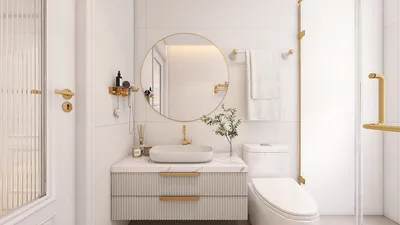


In a past project, I made the mistake of installing a fluorescent fixture upside down in a client's small kitchen, leading them to quip that it resembled UFO landing gear. That experience taught me two important lessons: errors stand out more in compact spaces, and with the right approach, fluorescent lights can actually enhance a room's charm. Small areas can inspire incredible creativity, so I’m excited to share five practical design ideas for decorative fluorescent light fixtures that I’ve successfully applied in various projects, often using tools like Homestyler to visualize the designs.
1. Pendant Cluster with a Diffused Touch
By clustering slim fluorescent tubes within frosted glass pendants, you can soften the typically harsh glow of fluorescent lighting and introduce appealing texture. I implemented this technique in a narrow dining area; it maintained the energy efficiency of fluorescent bulbs while delivering a warm ambiance. While custom diffusers might come with additional costs, the effort is rewarded with a modern and balanced aesthetic.
save pin
2. Cove Lighting Integration
Incorporate recessed fluorescent strips into a cove ceiling to create an ambient uplighting effect that visually elevates the room. This method is particularly effective for spaces with lower ceilings, as the even light distribution minimizes glare. Careful measurement is crucial during installation; utilizing a 3D floor planner like Homestyler can help you visualize the design ahead of time, ensuring a perfect fit.
save pin
3. Decorative Grid with Industrial Tubes
Retaining the classic fluorescent tube style while adding a decorative metal grid or geometric frame can create a striking focal point. I specified this design in a loft renovation, and the industrial feel was spot on. However, some clients might find this look too raw. It's also budget-friendly and straightforward to maintain, though it may require regular dusting of the grid.
save pin
4. Backlit Shelving Featuring Fluorescent Edges
Place slim fluorescent strips along the back edges of open shelves to highlight decorative items and enhance depth on a compact wall. I executed this in a small study with great results; it turned the shelves into captivating focal points without taking up extra floor space. Using diffusers is advisable to obscure visible bulbs, and careful planning of wiring routes is essential.
save pin
5. Layered Lighting with Mixed Temperatures
Mixing cool fluorescent task lights with warmer ambient sources can prevent a sterile atmosphere. During a kitchen renovation, for example, I combined under-cabinet fluorescent strips with warmer pendants, creating a bright yet inviting environment for meal preparation. The challenge lies in coordinating the color temperatures beforehand, but this investment in planning results in a cozier atmosphere.
save pin
Tips:
Budget Tip: Opt for high-quality ballasts and diffusers to minimize flickering and extend lifespan. Practical advice: test color temperature samples in your space prior to making final decisions. To preview layouts and avoid installation errors, I frequently utilize a free floor plan creator like Homestyler early in the design phase.
save pin
FAQ
Q1: Are decorative fluorescent fixtures still energy-efficient? A1: Absolutely — contemporary fluorescent lamps offer impressive efficiency over older incandescent options, making them a cost-effective solution for bright, enduring light.
Q2: How can I mitigate the harshness of fluorescent light? A2: Employ frosted diffusers, combine with warmer ambient lighting, and select suitable color temperatures (ranging from 2700K to 3500K) to soften their intensity.
Q3: Can fluorescent fixtures be dimmed? A3: Many fluorescent fixtures support dimming when paired with compatible dimmable ballasts and dimmer switches; always verify the specifications of the product.
Q4: Are fluorescent fixtures more effective than LEDs for decorative purposes? A4: While LEDs provide greater flexibility in design and color options, fluorescent fixtures can still be stylish and cost-efficient, particularly in retrofits.
Q5: What kind of maintenance do decorative fluorescent fixtures require? A5: Regularly changing tubes and ballasts as advised, cleaning diffusers, and monitoring for flickering will ensure that your fixtures perform optimally and last longer.
Q6: Is color rendering a concern with fluorescent lights? A6: Choose lamps with a higher CRI (80+) for better color rendering; for critical applications, look for a CRI of 90+. Refer to the Illuminating Engineering Society (IES) guidelines for standards on color rendering.
Q7: Can I update existing fluorescent fixtures with decorative components? A7: Generally yes — by adding diffusers or frames, you can modernize your current fixtures. Just ensure that heat and ventilation requirements are considered.
Q8: How can I visualize different fixture layouts before making a purchase? A8: Utilizing a 3D floor planner like Homestyler can help you create mockups for fixture placements and lighting effects, preventing costly installation errors.
save pin
Homestyler is the ideal online home design platform for anyone looking to create beautiful spaces. With its easy-to-use design tool, stunning 3D renderings, and a wealth of inspiring design projects and video tutorials, you can effortlessly turn your vision into reality—no prior experience needed!
Design Now for FREE
































