

I once had a client who wanted a daybed that could accommodate guests, conceal a cat litter box, and aesthetically align with a 70s avocado-green sofa — and while I was almost on board, I quickly remembered the practical boundaries. This little design moment instilled in me a principle I apply to every small project: compact areas demand inventive solutions. If you’re facing the challenge of a small bedroom or studio, creatively designed daybeds can be your ultimate ally. Here, I will introduce five daybed inspirations that I’ve implemented in actual projects, explain their effectiveness, and highlight the minor trade-offs to consider. Additionally, I’ll provide links to how these designs integrate into overall room layouts using Homestyler.
1. Built-in daybed with under-seat storage
Integrating a daybed into a nook is a fantastic approach — it offers a bespoke feel while conserving circulation space. The significant benefit is ample hidden storage for linens and seasonal clothing; the drawback, however, includes initial carpentry expenses and limited flexibility if relocating. Budget-friendly tip: simple plywood boxes outfitted with drawers can appear high-end with a fresh coat of paint and thoughtful trim. I employed this design in a compact rental conversion, where the client cleverly stored everything from board games to oversized winter jackets underneath the mattress.
save pin
2. Fold-down daybed / wall sofa hybrid
Imagine a Murphy bed concept tailored for daytime relaxation: a fold-down daybed that seamlessly transforms into a sleek sofa when upright. This is especially advantageous in multipurpose spaces as it liberates floor area for work or recreation. Be aware that the trade-off involves mechanical hardware and somewhat thinner daytime cushions compared to a conventional sofa.
save pin
3. Window-seat daybed with cushioning and lighting
Transforming a window alcove into a daybed can create a striking focal point, doubling as a reading nook or extra bed for guests. I frequently design these using Homestyler for 3D floorplans, testing lighting and proportions pre-construction. For height-challenged areas, opt for a slim mattress and focus on plush cushions; the challenge lies in ensuring sufficient comfort for sleep, so consider a quality mattress topper. To visualize this effectively, I regularly produce mockups through Homestyler.
save pin
4. Trundle daybed that conceals a guest bed
Trundle beds remain popular for good reason: they provide daytime compactness and nighttime additional sleeping arrangements. Ideal for occasional hosting while maintaining a sofa most days, the downside is that the lower bed often has a thinner profile; I recommend using a high-density foam mattress for the trundle. A small tip: select locking casters and incorporate slatted bases to enhance airflow and prolong the lifespan of mattresses.
save pin
5. Convertible daybed that transforms into a workspace
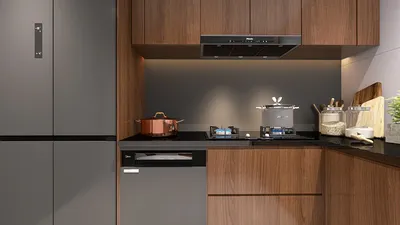
In studios I’ve designed, I've created daybeds that flip or slide to reveal a narrow desk — perfect for those who work from home yet require space for guests. Although this requires more engineering, the functional benefits are significant: you get seating, sleeping, and workspace without the clutter. Just be cautious of visual weight; lighter finishes and vertical storage solutions can prevent the area from feeling cramped. Additionally, consider adjacent zones: occasionally adjusting appliances or experimenting with kitchen layout strategies can greatly improve the spaciousness of studios, so plan these aspects early in your design process, especially as kitchen layout considerations can influence the positioning of your daybed.
save pin
Tips 1:
Always measure twice and visualize once: even a 5 cm miscalculation can throw off the proportions of a custom daybed. If you’re in a rental space, prioritize versatile options like trundles and freestanding benches to maintain flexibility.
save pin
FAQ
Q1: What size daybed is ideal for small rooms?
A: Begin with the walking clearances in mind — a comfortable walkway usually ranges from 75 to 90 cm. A twin or full daybed is suitable for most compact spaces; choose a twin for extremely narrow areas and a full for added sleeping width.
Q2: Are daybeds suitable for nightly sleeping?
A: Absolutely, provided you select a proper mattress. Opt for a quality memory foam or hybrid, and consider adding a topper for overnight comfort; trundles might require a firmer topper for enhanced support.
Q3: How much storage can a built-in daybed realistically offer?
A: Quite a considerable amount — a typical under-seat drawer system can accommodate seasonal clothing, linens, or equipment. I’ve designed units that even replaced full closets in studio apartments.
Q4: Can a daybed be a long-term investment?
Certainly, especially if constructed from durable materials with adaptable features. Expect custom-built daybeds to have a longer lifespan, albeit with a higher upfront cost; modular options are less expensive and offer portability.
Q5: What are common pitfalls to avoid when arranging a daybed?
A: Make sure not to obstruct natural light or door swings, underestimate mattress thickness, or minimize storage access. Always test the pull-out or folding mechanism before finalizing any design.
Q6: How do I select fabrics for a daybed used frequently?
A: Opt for robust, stain-resistant materials like performance blends or treated linens. Removable cushion covers will facilitate easier cleaning and extend the lifespan of your daybed.
Q7: Are there design codes or regulations I should be aware of?
A: There typically aren’t specific codes for residential daybeds; however, if you're modifying load-bearing walls or adding mechanical components, consult local building codes and a structural engineer when necessary. The American Institute of Architects provides excellent guidance on residential renovations (source: https://www.aia.org).
Q8: Can I plan my daybed layout on my own?
A: Yes, simple layouts can be created with a tape measure and sketches, but I suggest utilizing digital tools like 2D/3D mockups — they can help avoid costly errors and assist in coordinating with plumbing or kitchen areas, especially in shared studio spaces.
save pin
What began as an Autodesk innovation has evolved into a design platform used by more than 18 million people around the globe. Homestyler combines powerful rendering, an intuitive editor, and a vast furniture library to help you turn inspiration into photorealistic designs — whether you're redesigning a single room or planning an entire home.
Discover the ease of home design with Homestyler! This user-friendly platform offers an online design tool, stunning 3D renderings, inspiring design projects, and helpful video tutorials. Whether you're a beginner or a seasoned DIYer, Homestyler makes transforming your space simple and enjoyable.
Дизайн сейчас бесплатно
































