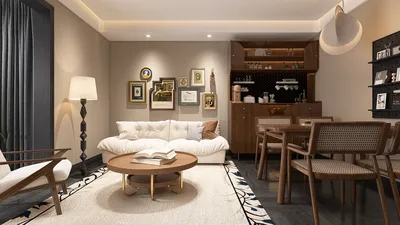


With over a decade of experience in interior design, I have observed firsthand how selecting the right curtains can significantly transform the ambiance of a living room. Today's design trends favor layered textures and the enhancement of natural light, demonstrating how even minor adjustments can yield considerable results. In this article, I will present 10 creative curtain ideas for living rooms—my personal picks supported by real-life projects and professional expertise—that can help you effectively optimize your space with tools like Homestyler.
1. Sheer Linen for Airy Vibes
In my experience, using sheer linen curtains in a small apartment overlooking the park has proven to be incredibly effective—they softly diffuse light and instantly create a more spacious feel.
Pros: Sheer linen permits natural light while maintaining a degree of privacy. It’s a flexible option that harmonizes well with Scandinavian and minimalist aesthetics.
Cons: Not suitable for complete blackout; pairing with heavier drapes may be necessary for nighttime use.
Tip: Combining sheer linen with heavier fabrics provides versatility in both style and functionality. In one case, the homeowner successfully integrated sheer curtains into a minimalist living room layout, resulting in a seamless appearance.
2. Floor-to-Ceiling Drama
In a luxury penthouse project, I implemented floor-to-ceiling curtains, which gave the illusion of heightened ceilings and added sophistication without any structural alterations.
Pros: This design creates a vertical emphasis, making the space look taller; it can cleverly conceal any architectural imperfections near the windows.
Cons: It requires a greater amount of fabric (and budget); not recommended for rooms with very low ceilings unless designed thoughtfully.
3. Bold Pattern Statement
When collaborating with a client who had a passion for mid-century décor, I chose bold geometric print curtains that beautifully unified their retro-inspired furnishings.
Pros: Injects personality and can anchor your color scheme; it's especially striking against otherwise neutral backdrops.
Cons: Patterns that are too large or overly vibrant can overpower smaller spaces.
4. Layered Textures
In a coastal-themed condo project, I strategically layered sheer panels with woven shades to enrich the visual experience without cluttering the space.
Pros: This approach adds tactile richness and depth; it also offers adjustable light management.
Cons: This style can be more costly and necessitates meticulous maintenance for various materials.
Case: A prime example is layering soft sheers over textured treatments—this strikes a balance between softness and utility.
5. Neutral Tones for Flexibility
My preference leans towards warm greys or gentle beiges, as they easily adapt when furniture or wall colors change over time.
Pros: Timeless and versatile; friendly for resale if staging a property.
Cons: May seem subdued if there is insufficient contrast throughout the room.
6. Velvet Luxe
I incorporated rich emerald velvet into a client's Art Deco interior, and it instantly amplified the space's luxurious appeal.
Pros: Provides an element of luxury and warmth; highly effective for warmth retention and light blockage.
Cons: Requires robust rods due to its weight; towels tend to attract dust.
7. Roman Shades with Side Panels
In a narrow living area, I opted for Roman shades that freed up wall space, while side panels softened the overall aesthetic.
Pros: Space-saving; combines the neat appearance of shades with the softness of drapery.
Cons: More complicated installation; limited options for mixing patterns.
8. Light-Blocking Blackout Curtains
For a media room setup, I recommended blackout curtains to prevent glare on the TV and enhance sound absorption.
Pros: Excellent for regulating light and ensuring privacy; also energy-efficient.
Cons: Heavier and less airy, which may feel overwhelming in smaller rooms.
Note: Pairing blackout panels with lighter sheers can provide daytime flexibility, similar to how layered curtain designs function in open-concept homes.
9. Two-Tone Panels
I once applied two-tone panels featuring a darker lower section and a lighter upper part, which subtly drew attention upwards without being overbearing.
Pros: Introduces visual intrigue while keeping it simple; adjustable to suit most color schemes.
Cons: Requires precision in installation to ensure color alignment is consistent.
10. Breezy Tie-Backs
Utilizing relaxed tie-backs allowed for natural airflow and a casual, inviting ambiance, which is ideal for summer homes.
Pros: Promotes airflow while providing charm without bulky hardware.
Cons: Provides limited privacy; may not be ideal in extreme weather conditions.
Conclusion
Selecting curtains for your living room is not just about rules; it’s about enhancing both comfort and style. Even in compact spaces, thoughtful design can create significant drama, as research from Houzz suggests window treatments rank among the top five impactful decorative changes. Which of these 10 ideas would you be excited to explore in your own living space using design tools like Homestyler?
FAQ
Q1: What curtains can make a living room feel larger?
A: Opting for sheer materials, vertical patterns, or floor-to-ceiling drapes can help visually expand a space.
Q2: Are blackout curtains suitable for living rooms?
A: Absolutely, particularly in media rooms or west-facing areas that experience strong afternoon sunlight.
Q3: What curtain styles are trending in 2024?
A: Layered textures and eco-friendly materials like organic linen are becoming increasingly popular, according to trends highlighted by Elle Decor.
Q4: How do I select curtain colors?
A: Evaluate your wall color, furnishings, and natural sunlight; neutrals offer versatility while bold colors create a focal point.
Q5: Can I mix patterned curtains with patterned furnishings?
A: Yes, just maintain balance by pairing larger patterns with smaller, subtler prints.
Q6: What is the ideal curtain length?
A: Aim for curtains that slightly puddle on the floor for elegance or just skim the floor for a streamlined appearance.
Q7: Are velvet curtains practical?
A: They provide a touch of luxury and are good for insulation, but they do require regular upkeep to remain dust-free.
Q8: Do I need to coordinate curtains in adjacent rooms?
A: Not necessarily; strive for complementary styles or color tones for visual cohesion.
Homestyler is your go-to online home design platform, offering a user-friendly design tool and stunning 3D renderings. Explore a wealth of design projects and engaging DIY video tutorials to effortlessly bring your vision to life. Transform your space with creativity and ease!
Design Now for FREE
































