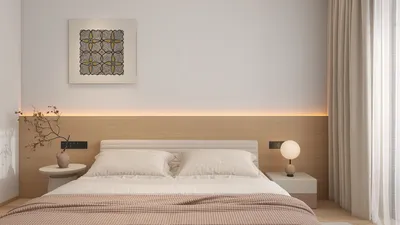


In recent times, warm neutrals, particularly cream hues, have regained popularity within the realm of interior design. Drawing from my extensive experience of redesigning numerous compact apartments, I've realized that smaller spaces often ignite the greatest creativity. A cozy cream living room extends beyond mere coloration; it emphasizes the importance of layering textures, effective lighting, and a mindful arrangement. Here, I will present ten innovative cream living room concepts that I've personally implemented in my projects, seamlessly integrating insights from my experiences alongside professional knowledge, with a special mention of the Homestyler toolkit that aids in design visualization.
1. Textured Layers for Added Dimension
My Experience: In a compact 20m² urban apartment, the cream walls appeared lifeless until we introduced chunky linen cushions, a thick wool throw, and a gentle sisal rug. The enhancement was immediate—providing depth without cluttering the space.
Benefits: Layering different materials contributes warmth and visual appeal, rendering a neutral space more inviting. This aligns with insights shared by Architectural Digest, which state that mixing textures can counteract monotony in minimalist settings.
Drawbacks: However, an excess of conflicting textures can create a disorganized appearance; achieving balance is crucial.
Suggestion: Limit yourself to 3-4 primary textures for coherence, and replicate these across various furnishings and decor items.
2. Cream and Wood Together
My Observations: During a recent cottage refurbishment, we paired cream walls with oak bookshelves, crafting an inviting backdrop. The natural wood grain accentuated the cream tones beautifully.
Advantages: Timber introduces a sense of organic warmth and durability, making it ideal for classic interiors. This combination, complemented by wood accents, fosters a cozy atmosphere and allows for seasonal updates.
Disadvantages: If the wood’s hue leans too yellow, it may clash with specific shades of cream. Always conduct color tests under natural light.
Advice: Typically, light oak or walnut pairs harmoniously with most shades of cream paint.
3. Eye-catching Lighting
My Experience: A striking chandelier positioned over a small cream living room can instantly uplift the ambiance. I opted for a rattan pendant light in a beach-themed home, which also served as an engaging conversation starter.
Benefits: Thoughtfully chosen lighting not only influences the ambiance but also creates a perception of height, making compact areas feel more expansive. Dimmable options permit cozy evenings or bright afternoons, tailored to your mood.
Drawbacks: Oversized lighting fixtures can dominate small spaces—proportions matter greatly.
Tip: Position fixtures lower over seating for intimacy and higher in open arrangements for improved flow.
4. Cream Accented with Contrasting Colors
My Experience: A client who adored deep teal found contentment in a mostly cream living room with teal cushions and a standout armchair, satisfying her color desires while retaining the serene atmosphere.
Advantages: Accent hues infuse personality and disrupt uniformity. Using a limited color palette maintains sophistication.
Drawbacks: An overabundance of contrasting shades can make a compact room feel cramped.
Suggestion: Choose one or two accent colors and ensure they appear at least three times throughout the space for visual balance.
5. Integrated Shelving Solutions
My Experience: In a compact condo, we coordinated the built-in shelves with the cream walls, making them blend seamlessly and maximizing storage without encroaching on the room’s openness.
Advantages: Custom-built shelving enhances functionality and can be adapted to suit unique configurations. Matching them to the wall color gives a streamlined look, as featured in minimalist storage designs.
Drawbacks: Custom units can be pricier and require careful planning; they are typically not movable.
Tip: Incorporate adjustable shelves to accommodate evolving needs.
6. Unique Wall Textures
My Experience: In a Scandinavian-style project, we applied a limewash finish in a subtle cream tint, creating a tactile wall look without overwhelming the space.
Benefits: This technique adds an artisanal, upscale finish to plain walls while effectively concealing minor flaws.
Drawbacks: Certain finishes may be challenging to clean compared to standard paint, particularly in high-traffic areas.
Suggestion: For rentals, consider removable textured wallpapers that mimic similar aesthetics.
7. Natural Fiber Rugs
My Experience: A cream-toned jute rug anchored the furniture in a recently designed loft, introducing rustic charm without overpowering the color scheme.
Advantages: Eco-friendly, long-lasting, and ideal for layering atop larger neutral rugs for enhanced comfort.
Drawbacks: Jute may feel coarse underfoot—pair it with a softer rug in seating areas.
Tip: To prevent uneven fading from sun exposure, rotate natural fiber rugs periodically.
8. L-shaped Seating Configuration
My Experience: In a compact 12m² living area, we incorporated a streamlined L-shaped sofa to delineate the seating section while preserving an open floor plan. This arrangement enriched the natural traffic flow.
Benefits: Dividing zones and maximizing seating—especially beneficial for L-shaped arrangements that optimize available surface areas in open living environments.
Drawbacks: If overly large, it may dominate the space and limit adaptability.
Tip: Modular L-shaped sofas are ideal for multifunctional areas.
9. Subtle Metallic Touches
My Experience: In a creamy, monochrome lounge, I introduced brushed brass side tables, which added a whisper of sheen without a gaudy presence.
Benefits: Infuses sophistication and reflects light beautifully, particularly during the evening.
Drawbacks: Metallic finishes tend to show fingerprints and water marks—coasters are essential.
Tip: Limit the metallic accents to small items to keep a classy appearance without going over the top.
10. Merging Indoor and Outdoor Aesthetics
My Experience: For a penthouse featuring cream interiors, I opted for lightweight, sheer curtains which allowed the lush greenery outside to blend with the room’s color palette.
Benefits: This strategy connects the inside with outdoor scenery, providing an expansive feeling and maximizing natural illumination.
Drawbacks: Sheer curtains may reduce privacy—consider layering them with blinds for a balanced solution.
Tip: Position indoor plants near windows to further enhance the seamless transition between your living spaces.
Summary
A warm cream living room represents not a limitation, but rather an opportunity for thoughtful and inviting design decisions. Each detail, from textures to lighting, gains even more significance within a small area. As noted by design platforms like Houzz, showing restraint in color can contribute to a more tranquil home. Which of these strategies for a cream living room would you be tempted to implement first?
FAQ
1. What colors complement a cream living room best?
Warm earthy shades, soft wooden textures, alongside subdued blues and greens harmonize beautifully with cream.
2. How can I enhance the coziness of a cream living room?
Incorporate textured layers such as linen, wool, and jute; use gentle, warm lighting to cultivate a relaxed environment.
3. Is cream a suitable choice for small living areas?
Definitely—its light-reflecting properties can render compact rooms more spacious and airy.
4. Should cream walls and ceilings be painted in the same color?
For a unified appearance, yes; vary the finishes (matte for walls, satin for ceilings) to add subtle differences.
5. Can metallic details be successful in a cream lounge?
Certainly—brushed brass or softened gold particularly complement cream, adding understated elegance.
6. What type of rug is best suited for a cream room?
Natural materials like jute or wool provide warmth and texture while maintaining the overall color scheme.
7. How can I prevent cream interiors from appearing mundane?
Incorporate contrasting elements via artwork, accent chairs, or eye-catching light fixtures.
8. How should I arrange furniture in a cream living area?
Prioritize flow and definition of zones—L-shaped seating is effective, as demonstrated with 3D floor plans in platforms like Homestyler, while ensuring key pathways remain unobstructed for easy movement.
Homestyler is your go-to online home design platform, perfect for anyone looking to create their dream space. With an easy-to-use design tool, stunning 3D renderings, and a wealth of DIY video tutorials, transforming your home has never been more accessible and inspiring!
تصميم الآن مجانا
































