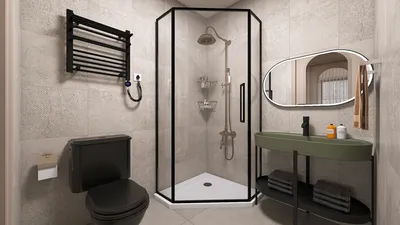


I had a client once request a bathroom design that resembled 'cream soup.' Initially, I chuckled at the request, but over time, I've come to appreciate cream as an adaptable foundation that can evoke feelings ranging from cozy to sophisticated. Particularly in smaller bathrooms, innovative design choices can lead to remarkable outcomes. To truly transform plain cream into a statement, it's crucial to look beyond mere paint; incorporating textures, reflections, and a well-thought-out layout is key. For quick visualization of potential designs, I frequently recommend that my clients utilize Homestyler to envision their space before committing to tile selections or fixtures.
1. Cream with Contrast: Incorporate a Dark Accent Wall
I enjoy combining warm cream walls with a bold deep charcoal or navy accent wall. This approach grounds the room without overwhelming it. The contrast not only enhances the visibility of fixtures but also conceals scuffs more effectively. However, it's important to be mindful of lighting, as darker hues can make smaller bathrooms feel even more confined; pairing these colors with bright, warm LED lights and a large mirror can help balance the space.
save pin
2. Monochrome Cream: Emphasizing Texture
Utilizing various shades of cream paired with diverse textures—such as matte paint, glossy subway tiles, and textured rugs—creates depth while maintaining a tranquil palette. This design is budget-friendly, particularly if you repurpose existing fixtures. On the downside, if everything shares the same finish, it can appear overly monotonous, so incorporating chrome or brass elements for sparkle is advisable.
save pin
3. Cream Tiles Enhanced with Warm Wooden Accents
Adding wooden vanities or open shelving creates a warm complement to cream tiles, yielding a timeless, spa-like atmosphere. For smaller spaces, I recommend planning vertical storage and opting for a shallow floating vanity. If a more refined layout is desired, I often utilize Homestyler to create a compact vanity plan that tests clearances and access to drawers before placing an order for custom pieces.
save pin
4. Soft Pastel Accents on a Cream Base
Incorporating delicate pastels—like sage, blush, or dusty blue—through elements such as towels, stools, or framed art can rejuvenate the creamy backdrop and prevent it from feeling flat. This approach allows for an easy refresh as design trends evolve. However, overusing pastels may lead to a dated appearance, so I recommend selecting one accent color and repeating it in three locations for a harmonious look.
save pin
5. Spa-Like Minimalism: Achieving Calm with Cream, Greenery, and Natural Stone
To create a serene haven, consider combining cream walls with natural stone countertops, a pebble bath mat, and potted plants. This aesthetic is not only timeless but also appealing for resale. While natural materials can be costly, you can achieve a similar vibe with porcelain tiles that mimic stone and artificial plants for ease of maintenance. When clients are hesitant, I often utilize Homestyler to provide a 3D rendering, enabling them to tweak details without making any financial commitments.
save pin
FAQ
Q1: Is cream a suitable choice for small bathrooms?
A1: Absolutely—cream tends to reflect light and offers a warmer feel than stark white, contributing to a more spacious and inviting atmosphere in small bathrooms. Combining it with reflective surfaces and adequate lighting amplifies its positive effects.
Q2: What type of flooring pairs best with a cream bathroom?
A2: Neutral stone-look tiles, warm wood-look porcelain, or small mosaic tiles all work well. It's important to consider slip resistance and ease of maintenance when selecting finishes for wet areas.
Q3: How can I prevent a cream bathroom from appearing dull?
A3: Introduce layered textures, create contrast through fixtures or a single dark wall, and incorporate an accent color in accessories. Personal touches like art or textiles can make a significant impact.
Q4: Are cream tiles difficult to maintain?
A4: Cream tiles tend to show water spots and soap scum more prominently than patterned tiles, so regular cleaning is necessary. Opting for slightly textured or matte finishes can help disguise water marks better than glossy options.
Q5: Is cream compatible with brass fixtures?
A5: Definitely—warm metals such as brass and gold pair beautifully with cream, enhancing the overall aesthetic. Just ensure that all finishes are consistent (e.g., stick to warm metals) to maintain visual harmony.
Q6: What lighting temperature is best suited for cream walls?
A6: Warm white LEDs (2700K–3000K) highlight the cozy tones of cream, while neutral whites (3500K) offer a cleaner, more modern appearance. Optimal results come from layering ambient and task lighting.
Q7: What budget should I set for refreshing a cream bathroom?
A7: A cosmetic refresh, which includes painting, new mirrors, and textiles, can be done for under $1,000; mid-range updates such as replacing vanities or tiles generally fall between $3,000–$8,000, depending on material choices. Higher-end natural stone or professional redesigns will increase expenditures.
Q8: Where can I find reliable design advice for bathroom planning?
A8: The National Kitchen & Bath Association (NKBA) provides planning standards and resources for safe, efficient layouts (visit nkba.org for more information). Their guidelines are widely recognized among professionals and immensely useful for homeowners looking to define their projects and measurements.
save pin
Discover the joy of home design with Homestyler! This user-friendly platform offers an innovative online design tool, stunning 3D rendering, and a wealth of design projects. Plus, its engaging video tutorials make transforming your space a breeze. Unleash your creativity today!
Design Now for FREE
































