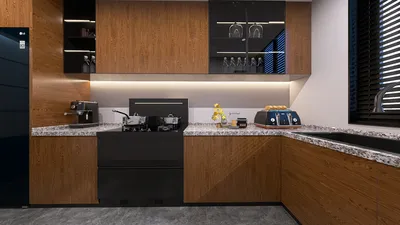


Several years back, I had the unique experience of designing a counseling office for a client who wanted an enormous surfboard as a wall feature. Yes, right in the center of the therapy space. Initially, I envisioned it disrupting the tranquil atmosphere, yet it turned out to be an excellent conversation starter for anxious new clients. This project highlighted an important lesson: innovative concepts and compact spaces can create something remarkable when implemented with care. Today, I'm excited to present 10 creative decor ideas for counseling offices that I’ve gathered over the years, aimed at making your environment warm, welcoming, and nurturing.
1. Opt for Soft, Neutral Wall Colors
A serene environment is crucial for effective therapy sessions. Soft beiges, gentle blues, or pale greens promote relaxation, making a small space feel larger. While a bright red wall may invigorate, it often proves too stimulating for a therapeutic setting. I've enjoyed successful designs with neutral hues accented by thoughtful artwork to add warmth.
2. Illuminate with Sunshine-Like Lighting
In my stint with a windowless workspace, I learned to use layered artificial lighting to simulate natural sunlight. Warm LED floor and table lamps provided a cozy ambiance. It’s important to steer clear of harsh overhead fixtures, which can make clients uncomfortable. Utilizing a room planner, like Homestyler, lets you visualize brightness levels and plan your lighting layout effectively before making any purchases.
3. Select Comfortable, Non-Threatening Seating
Look for chairs that feature soft edges, plush cushioning, and breathable materials. A personal favorite of mine is to incorporate mismatched chairs in harmonious colors; this makes the therapy space feel more inviting, rather than clinical. It’s essential to ensure the seat height is appropriate so clients can sit comfortably with their feet on the floor, enhancing openness and ease.
4. Use Layered Textures for Added Comfort
A cozy throw on a chair, a jute rug on the flooring, or woven baskets for storage add subtle warmth. Textures play a vital role in creating a sense of safety and comfort; I've observed that clients often relax more quickly in spaces rich in tactile elements.
5. Keep Decor Minimal Yet Personal
While a plethora of decorative objects can create a cluttered feel, a few significant items — like a small sculpture, a nature photograph, or a cherished book — can foster relatability in the environment. I occasionally recommend therapists integrate one personal yet professional piece associated with their therapeutic approach.
6. Incorporate Nature into the Office
Plants are a staple in my office designs. Low-maintenance options such as snake plants or pothos enhance the environment and improve air quality. For those unable to maintain real greenery, high-quality artificial plants can also bring positive effects. I’ve even utilized a design tool like Homestyler to create an entire corner garden in a compact area, ensuring proper spacing with ease.
7. Choose Art That Soothes, Not Distracts
Art pieces such as abstract landscapes, calming watercolor visuals, or simple line illustrations work wonderfully. It’s best to avoid overly busy or emotionally charged pieces unless they serve a therapeutic function. I’ve seen a counselor use cloud imagery in every room — subtle, soothing, and thematically coherent.
8. Manage Sound for Privacy
Acoustic panels can seamlessly blend into your decor while functioning as sound insulation. Incorporating area rugs and soft furnishings will absorb sound, safeguarding the confidentiality of conversations, particularly valuable in smaller offices within bustling buildings.
9. Design a Flexible Layout for Varied Sessions
If you offer a range of session types, modular furniture can facilitate quick layout changes. I collaborated with a therapist who could rearrange her space in just minutes with lightweight chairs and a mobile coffee table. We leveraged an office layout planner, similar to Homestyler, to ensure ample clearance and functionality.
10. Establish a Gentle First-Contact Zone
The waiting or entry area significantly influences the emotional atmosphere. A tidy entry mat, a small side table with refreshments, and a selection of tranquil reading materials can ease clients' nerves prior to sessions. Some of my most favored reception areas exude subtle scents of lavender or citrus, promoting relaxation even before clients enter the therapy room.
FAQ
1. What colors are most effective in a counseling office?
Soft, neutral shades such as beige, light blue, or muted green foster a calming and grounded atmosphere for clients.
2. How can I create the illusion of a larger counseling space?
Light wall colors, the strategic use of mirrors, and uncluttered layouts all contribute to a more expansive appearance. Additionally, maximizing natural light wherever possible can help.
3. What type of seating is optimal for counselors?
Comfortable chairs with supportive cushioning and sturdy armrests are crucial for promoting trust and openness during sessions.
4. How can I maintain privacy in a shared workspace?
Using acoustic panels along with rugs and soft furnishings will effectively diminish sound transmission between spaces.
5. Should I incorporate real or artificial plants in my office?
Real plants naturally enhance air quality, but high-quality artificial alternatives can still contribute visual warmth without the upkeep.
6. In what ways can lighting impact a therapy session?
Warm, diffused lighting creates a safe and comfortable environment, avoiding glare or excessively bright areas that can feel stark or harsh during sessions.
7. Is artwork necessary in a counseling office?
While not obligatory, art that promotes a calming atmosphere can significantly enhance the space and help clients feel more at ease; according to APA guidelines, the visual environment influences emotional comfort.
8. Can I design my office layout using online tools?
Absolutely! Tools like Homestyler's online planners allow you to visualize and strategize your furniture layout before making purchases, ensuring your design meets your needs.
Homestyler is your go-to online home design platform, perfect for crafting stunning spaces. With its user-friendly design tool, impressive 3D renderings, and a wealth of DIY video tutorials, you can effortlessly turn your home design dreams into reality. Start creating today!
Projete agora para LIVRE
































