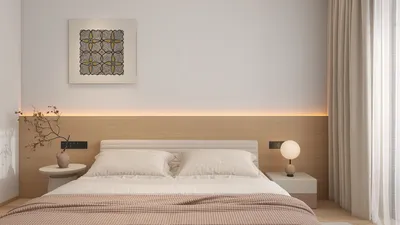


I once had a client request two twin beds squeezed into a 7-foot corner, desiring each bed to feel like its own little haven. While I was tempted to suggest a hammock, I opted to sketch, iterate, and gather various tricks that I still apply today. Small spaces can ignite immense creativity, transforming limitations into captivating visual room layouts, often with the help of tools like Homestyler.
1. Staggered Corner Bunks
Stacking beds might seem obvious, but staggering them (offset by half a step) not only ensures privacy but also provides each child with their own headspace. Incorporating a small shelf or a curtain between staggered levels creates a custom feel. The benefits include additional privacy and increased floor space, but challenges arise in ensuring safe ladder placement and adequate headroom.
Budget tip: use basic pine frames and apply paint for a polished appearance without incurring high costs for custom joinery.
save pin
2. Corner Daybed + Trundle
A corner daybed that expands into a trundle is my preferred solution for guest-ready kids' rooms. During the day, it serves as a cozy sofa, and at night, it transforms into two beds; however, keep in mind that you also sacrifice under-bed storage unless you opt for a raised trundle design.
I once transformed a tight corner into a cozy spot with cushions, a pull-out mattress, and a roll-away drawer for bedding, making a small investment yield great delight.
save pin
3. Built-in Storage Frames
If you can allocate a modest budget for carpentry, built-in frames around twin corners provide solutions for circulation and storage in a single action. I typically start with quick compact floor sketches to visualize whether drawers or open cubbies will work best.
The benefit lies in custom storage and a sleek appearance; however, the downside is a higher initial cost and less flexibility if you're likely to move. My practical compromise is using modular units that appear built-in but can be easily disassembled.
save pin
4. Opposite Corner Pairing
Position twins in opposite corners with a shared middle play zone. This layout grants both children a sense of ownership while providing a clear play area at the center. It’s ideal for siblings wanting their own space, but attention must be given to sightlines and lighting — incorporating layered lighting can help balance brightness.
Pro tip from a recent condo: floating book ledges at each bed's end can double as nightstands without overcrowding the floor.
save pin
5. Modular Twin Platforms
Modular platforms allow you to integrate beds, desks, and storage within a corner footprint that adapts as the family grows. When clients are uncertain, I present quick renders using tools like Homestyler, enabling them to visualize variations — sometimes, a simple render can finalize the decision. For visual proof, I often create 3D sleep nook mockups to adjust finishes and scale.
Modular systems are versatile and easy to install; however, the trade-off can be more visible seams or connectors, so choose finishes that accentuate rather than conceal the joints.
save pin
FAQ
Q1: What mattress size is best for twin beds in a corner?
A standard twin (38" x 75") fits most corners; if you have extra length, a twin XL can enhance sleeping comfort. Ensure to measure from floor to ceiling if planning bunk beds to account for head clearance.
Q2: How do I maximize storage with twin beds in a small room?
Think vertically: under-bed drawers, built-in headboard cubbies, and wall-mounted shelves can help save floor space. Always keep circulation paths clear by mapping out door swings and bed access.
Q3: Are corner bunks safe for kids?
Corners can be safe with guardrails, sturdy ladders, and proper mattress fitting. I make sure to follow manufacturer safety guidelines and leave a comfortable gap from ceiling fixtures. For reliable safety information, refer to the U.S. Consumer Product Safety Commission on bunk bed safety (https://www.cpsc.gov).
Q4: How much should I budget for a custom built-in corner bed?
Costs can vary significantly: a simple custom built-in may start at a few hundred dollars for basic carpentry, while full cabinetry and integrated lighting could reach several thousand. It's wise to obtain three quotes and request contractors for a material breakdown.
Q5: Can two adults sleep comfortably on twin beds in a small corner?
Twin beds can be snug for most adults; for regular use by adults, consider twin XL or a layout that allows joining two twins into a larger bed. Platform systems can facilitate this conversion effortlessly.
Q6: What lighting works best for corner twin setups?
Layered lighting is ideal: a ceiling fixture for general illumination, wall sconces for reading, and LED strips under shelves for ambiance. Dimmable controls help ease transitions from playtime to bedtime.
Q7: Any tips for styling a shared corner room?
Unify the room with a consistent color palette while allowing for individual accents like distinct throw pillows or wallpaper panels behind each bed. Rugs and a central pouf can help pull the design together and define the communal space.
Q8: How can I test layouts before committing?
Begin with straightforward sketches at a 1:20 scale on graph paper or utilize online planners to experiment with different layouts — it’s efficient and prevents costly changes down the line. Resources like the National Sleep Foundation and various design websites recommend mockups to validate flow and comfort (https://www.sleepfoundation.org).
save pin
Homestyler is an amazing online home design platform perfect for everyone! With its easy-to-use design tool, stunning 3D renderings, diverse design projects, and helpful DIY video tutorials, you can effortlessly create your dream space. Start designing today and unleash your creativity!
Desain sekarang Gratis
































