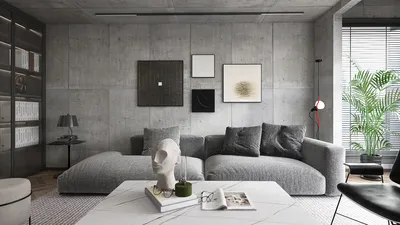


I once had a client who insisted on placing a "mini Zen garden" in their living room corner, right beside the TV—underneath a tangle of cables. It was a moment that nearly made me despair, but it taught me how much character even a small space can add. If you believe that corners are merely wasted areas, reconsider: these miniatures can ignite creative concepts and serve as platforms for small experiments.
For quick inspiration, I often share real-life corner styling examples with clients; seeing these ideas in scale can shift your perspective dramatically.
1. Slim floating shelves: offering vertical display without creating clutter
Floating shelves are my top choice for narrow corners with height. Arrange a few books, a decorative vessel, and some framed photos to build a cohesive vertical display that maximizes space without hogging the floor.
They are economical and versatile, but be mindful of the mounting spots, ensuring that heavier items are kept lower—too much weight at the top is a common error that I've had to rectify more than once.
save pin
2. Cozy micro reading nook featuring a slim chair
Transform a corner into an intimate escape by combining a slim lounge chair with a floor lamp and a narrow side table. Add a throw blanket and a small basket for magazines to create a space that feels deliberate rather than an afterthought.
This setup is both livable and budget-friendly; however, be sure to measure twice to avoid blocking traffic flow with the chair.
save pin
3. Lush vertical corner: incorporating tall plants and hanging planters
Integrating plants can truly enliven corners—consider options like a fiddle leaf fig or a tall dracaena, or use staggered hanging planters to utilize vertical space effectively. Plants soften harsh lines and serve as dynamic living art without the need for custom installation.
If you wish to visualize the ideal plant placement, I recommend previewing ideas with 3D layout tools, which help clients envision lighting, scale, and how a tall plant integrates with a sofa.
save pin
4. Fold-down desk or compact corner workstation
For residences that serve as dual-purpose offices, a wall-mounted fold-down desk with a slim stool can transform the corner into a functional workspace. It strikes a balance between utility and compactness.
The drawback is managing cables and ensuring ergonomic comfort—if you anticipate long periods of work, invest in a comfortable chair and have an outlet nearby.
save pin
5. Striking art with layered lighting and hidden storage
A standout art piece, complemented by a picture light and a low storage bench, gives personality and utility to any corner. The bench can conceal throws or games while providing additional seating for guests.
This method exudes a high-end feel with minimal effort, though larger art pieces require careful consideration of proportions to avoid overwhelming the room; for more personalized inspiration, check out layout case studies that focus on scaling and storage solutions.
Corners challenge us creatively—affordable, easily updated, and ideal for experimenting with bold colors or textures without overwhelming your entire room. Try one idea at a time and live with it for a month to see which tweaks enhance daily life.
save pin
FAQ
Q1: What’s the most straightforward corner idea to execute on a budget?
I would recommend floating shelves or a singular statement plant—both are cost-effective and can be set up in a day. They instantly add height and visual intrigue without significant investment.
Q2: How do I select the appropriate scale for corner art?
Choose art that is approximately two-thirds the width of the visible corner wall space; if you're unsure, use cardboard cutouts to assess scale before making a purchase. This tip can help you avoid returns and regrets.
Q3: Is it possible to create a reading nook in a very small corner?
Absolutely—select a slim-profile chair, a wall-mounted light, and a narrow side shelf. Comfort is achievable with the right dimensions and cozy fabrics.
Q4: Which plants thrive best in low-light corners?
Plants like snake plants, ZZ plants, and pothos are resilient in lower light conditions and are beginner-friendly. Rotate them occasionally towards natural light for healthier growth.
Q5: How can I conceal cables in a corner workstation?
Utilize a cord raceway, adhesive cable clips, and a power strip mounted beneath the desk; keep a simple cable-receiving basket underneath to manage excess wires. Planning your outlet placements in advance creates a cleaner setup.
Q6: Will adding storage to a corner make the room feel cramped?
Not if you opt for low and horizontal storage solutions—like benches or shallow cabinets—these maintain sightlines and can serve as extra seating, providing functionality without overwhelming the visual space.
Q7: Are there valuable benefits to incorporating plants into living spaces?
Indeed—plants can enhance perceived air quality and overall well-being; as reported by Houzz, homeowners experience increased comfort and aesthetic satisfaction when greenery is thoughtfully integrated into their spaces.
Q8: How can I trial a corner layout prior to making purchases?
Measure the corner, create scale sketches on graph paper, or use simple mockups (like cardboard or tape) to test the fit and flow of movement. Visualizing furniture placements at actual scale helps you avoid surprises.
save pin
Homestyler is your go-to online platform for transforming home design dreams into reality! With its user-friendly design tool, stunning 3D renderings, diverse design projects, and helpful DIY video tutorials, you can effortlessly create and visualize your ideal spaces. Start designing today!
立即免费设计
































