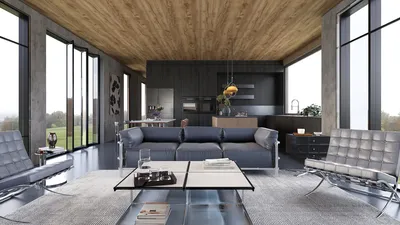


During a late-night project, I once found myself painting a concrete accent wall right before a client's surprise party. This experience taught me the importance of creating a quick room mockup using Homestyler to visualize colors beforehand, saving us from a 2 AM repaint. Such small mishaps highlighted how much character a concrete wall can convey and how smaller spaces can encourage bold design choices.
1. Embrace the boldness of color-blocking
I enjoy dividing a concrete wall into geometric shapes filled with vibrant colors; this not only lightens the heaviness but also adds a curated touch to the space. The benefit is an infusion of instant personality at a minimal cost (just tape and quality acrylic masonry paint). However, achieving precise measurements and crisp edges requires careful work—investing in a laser level and high-quality painter’s tape is definitely worth it.
2. Highlight texture using limewash or mineral paint
Limewash and mineral paints enhance the innate character of concrete, aging beautifully over time. These breathable options fade gradually and develop a soft, lived-in patina. One drawback is the technique involved: you'll need to apply the paint in sections and embrace slight irregularities — a charming aspect of these finishes.
save pin
3. Explore faux finishes or murals
I once created a faux plaster appearance on a basement concrete wall to imitate Venetian plaster, and the client was fascinated by its texture. Faux finishes can conceal imperfections and add a touch of luxury without major renovations. However, executing murals demands an artist's finesse or the help of a projector for accurate design outlines. For those seeking depth in their projects, using an interactive 3D model through Homestyler can be an excellent way to evaluate scale and lighting.
save pin
4. Protect and enhance with sealers and trim
Sealers are essential for locking in color and preventing efflorescence, while adding thin trim or a floating shelf can elegantly frame the painted areas, establishing a clean transition. This approach is cost-effective and impactful. However, it’s crucial to choose breathable sealers for older concrete to prevent moisture from becoming trapped.
save pin
5. Flexible designs with removable panels or plywood overlays
If you’re a renter or enjoy changing styles frequently, consider painting thin plywood or MDF panels and mounting them over the concrete. This allows for a pristine painted surface and the option to switch styles seasonally. The only trade-off is a minor loss of depth at the wall, but this renter-friendly and versatile solution is fantastic. I often use Homestyler to draft kitchen layout mockups to ensure that these panels align harmoniously with cabinets and fixtures.
save pin
FAQ
Q1: Which paint is ideal for a concrete wall?
A1: Opt for high-quality masonry or mineral paint specifically designed for concrete surfaces. Elastomeric paints are ideal for exterior applications, whereas breathable masonry or mineral paints are perfect for interior use to permit moisture to escape.
Q2: Is priming necessary before painting concrete?
A2: Absolutely, priming with a masonry primer enhances adhesion and seals any dust present. On smooth or previously painted concrete, using a primer with bonding properties is crucial to prevent peeling.
Q3: How can I remove efflorescence before painting?
A3: To eliminate salts, scrub the surface with a stiff brush using a diluted muriatic solution or a specialized cleaner, rinse thoroughly, and let it dry. It's vital to address any moisture sources before painting to avoid future issues.
Q4: Is it possible to paint over an existing painted concrete surface?
A4: Yes, it can be done, but it’s important to clean the surface, sand any glossy areas, and use an appropriate primer for best results. Testing a small section first helps prevent unexpected surprises.
Q5: Is limewash suitable for interior concrete walls?
A5: Yes, limewash is both breathable and natural, making it a good choice for interior spaces. It offers a lovely matte, velvety finish but may not be as washable as contemporary paints.
Q6: How long can painted concrete last?
A6: With proper preparation and the right sealer, interior painted concrete can last for many years. Durability will depend on factors like surface wear, moisture exposure, and the paint system used.
Q7: Where can I find expert advice on concrete painting products?
A7: Manufacturer resources like Sherwin-Williams offer detailed technical data and recommendations for masonry paints and primers. Check out Sherwin-Williams' technical guides at https://www.sherwin-williams.com/ for comprehensive specifications.
Q8: Are textured finishes more challenging to maintain?
A8: Textured surfaces effectively conceal scuffs but can be more complex to clean; regular dusting and gentle washing will help keep them looking great without damaging their texture.
Discover the joy of home design with Homestyler! This user-friendly platform offers an intuitive online design tool, stunning 3D renderings, and a wealth of inspiring design projects and video tutorials. Bring your vision to life effortlessly and transform your space today!
Design Now for FREE
































