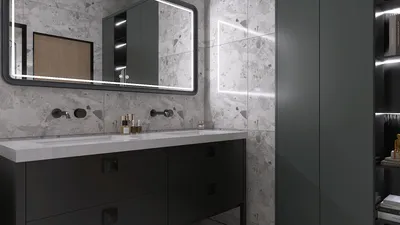


I once decided to enhance a concrete accent wall at midnight, thinking that a single coat would create a striking effect. Unfortunately, it ended up resembling a sad cement sundae. This mishap taught me the importance of planning layers, testing sheens, and always creating mock-ups before applying the final coat. It has also inspired me to kick off my projects by sketching room layouts, ensuring that both paint and furniture work cohesively together. In smaller spaces, creativity becomes essential: a concrete wall can serve various purposes as a backdrop, a focal point, or even a playground for textures.
1. Sleek Microcement Finish
I am captivated by the sophisticated, almost stone-like appearance of microcement applied over raw concrete. This finish offers a smooth, seamless surface that conceals flaws while embodying a modern aesthetic. However, achieving a truly flawless finish necessitates careful substrate preparation and professional assistance. A budget-friendly suggestion is to consider implementing microcement on a single accent wall first, allowing you to gauge the ambiance before fully committing to the entire room.
save pin
2. Subtle Ombre Wash for Dimension
Applying an ombre glaze introduces depth without overwhelming texture, making it ideal for narrow rooms where the walls should seamlessly recede. I create this effect by mixing diluted paint with a matte sealer and blending from top to bottom. This method is forgiving; however, it requires patience during the drying process to prevent streaks. It’s a cost-effective strategy to elevate concrete, but matching colors to existing furniture may require a few test patches.
save pin
3. Playful Stencils and Precision Masking
Utilizing stencils can transform cold concrete into a lively or elegant surface—think geometric patterns or subtle fretwork in a slightly darker hue. I advise using painter’s tape along with a foam roller to achieve sharp edges, though ensuring alignment across joints can be tricky. To visualize patterns in context, I often create mock-ups and rely on 3D render previews through platforms like Homestyler to assess scale and lighting prior to painting.
save pin
4. Industrial Matte with Cozy Accents
A flat, industrial matte grey provides a modern appearance that pairs beautifully with warm wooden elements and brass accents. This low-reflective finish obscures imperfections but can feel chilly; hence, it’s advisable to incorporate warm textiles or wooden trims for balance. For a budget-conscious approach, consider using high-quality matte acrylic paint and gradually adding accent trims as your budget allows.
save pin
5. Trompe-l'œil Panels and Moulding Effects
If you desire the aesthetic of paneled walls without the need for carpentry, painting faux moulding over concrete in a slightly different sheen can create the illusion of depth. This clever trick, which I successfully applied in a studio, makes the space appear taller; however, careful measurements are crucial and touch-ups can be labor-intensive. Coordinate this with functional planning—as with layouts featuring kitchen-adjacent concrete walls, it’s essential to ensure the painted panels appear intentional alongside your overall design, especially when considering workflow.
save pin
FAQ
Q1: Is it possible to paint directly onto raw concrete?
I generally recommend applying a proper etching or primer since concrete is porous and alkaline. Using a masonry primer ensures better adhesion and may reduce the number of finish coats required.
Q2: What type of paint finish is most suitable for concrete walls?
Matte or eggshell finishes are effective at concealing flaws, while satin finishes reflect more light and can impart an upscale look. I prefer matte for an industrial vibe and satin where durability and ease of cleaning are paramount.
Q3: How many paint coats should be expected?
Plan on applying at least two coats of quality paint over a primer, occasionally three for richer colors or deeper shades. Always favor thin, even layers over one thick coat for the best results.
Q4: Are there cost-effective solutions for treating concrete walls?
Absolutely—using color washes, diluted glazes, and selectively applied feature walls can yield significant impact without breaking the bank. It’s a good idea to prioritize preparation and test the approach on one wall first.
Q5: How can I manage dust and efflorescence before painting?
Ensure thorough cleaning, repair any cracks, and utilize a dehumidifier if necessary; efflorescence should be eliminated, or it will undermine paint adhesion. Following cleaning, applying a masonry sealer helps prevent salt migration.
Q6: What considerations should I have regarding VOCs and safety?
Opt for low-VOC or water-based masonry paints, particularly in confined areas. The U.S. Environmental Protection Agency (EPA) recommends low-VOC paints for reducing indoor air pollution and promoting occupant health.
Q7: Is it feasible to achieve a concrete appearance with standard interior paint?
Yes—techniques like sponging, rag-rolling, and layering glazes can create a convincing concrete look at a lower cost. The key is layering the products and utilizing the right rollers and tools to achieve texture without lumps.
Q8: When is it advisable to consult a professional?
If there are structural cracks, moisture issues, or if you seek a seamless microcement finish, it’s best to hire a skilled tradesperson. For decorative methods, I often guide DIY clients through the mock-up phase but leave structural and specialized tasks to professionals.
save pin
Homestyler is your go-to online home design platform! With its user-friendly design tool, stunning 3D renderings, and a wealth of inspiring design projects and DIY video tutorials, you can effortlessly create and visualize your ideal home. Start designing today!
Desain sekarang Gratis
































