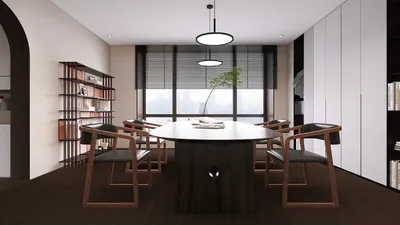


I once applied chalk paint to an entire nursery, aiming for a vintage matte aesthetic, only to find out later that my client also desired washable walls. This little oversight taught me a valuable lesson quickly: while chalk paint is indeed enchanting, it requires the appropriate finish and careful planning, especially in smaller areas where every wall matters. During this learning phase, I utilized some effective room planning strategies with Homestyler to better visualize furniture arrangements against the newly matte backdrop.
Smaller spaces can truly incite significant creativity; when selected wisely, chalk finishes can conceal flaws, diffuse light, and provide a cozy, tactile ambiance. Here, I will share five chalk paint wall inspirations I have personally implemented on various projects, highlighting their advantages, minor challenges, and affordable tips.
1. Subtle Matte Accent Walls
I adore using chalk paint for a soft matte accent wall in studios or bedrooms. It adds immediate depth without any glossiness, and often you can bypass extensive priming, which saves both labor and costs.
The downside is that chalk paint accentuates every texture, so it’s important to skim-sand and spot-prime any glossy areas first. For tighter budgets, consider painting just the wall behind the bed or sofa to extend the effect throughout the room.
save pin
2. Practical Chalkboard Feature
Transforming an entryway or kitchen wall into a chalkboard serves as a fun way to utilize chalk paint—perfect for grocery lists, notes, or even changing artwork. I've executed this for families who embrace a bit of organized chaos, effectively turning it into the household command center.
Be sure to select a high-quality sealer if you anticipate frequent erasing, or else ghosting may occur. While this idea is budget-friendly and full of character, it’s not suitable for excessively damp or greasy areas unless sealed well.
save pin
3. Two-Tone Chalk Wash for Kitchens
In smaller kitchens, I often apply a two-tone technique: chalk-painted lower cabinets or a half wall complemented by washable upper paint. This combination appears contemporary and softens reflections in confined spaces—and yes, chalk paint can be applied to wooden cabinetry with the right preparation.
If you're uncertain about how the color and layout will look after the change, using Homestyler for kitchen layout inspiration can help you visualize proportions and paint placement. Budget-wise, applying chalk paint to lower-cost cabinetry is an excellent upgrade without necessitating a complete refinishing.
save pin
4. Stenciling and Pattern Fun
Chalk paint’s matte finish enhances stencils beautifully, allowing for striking geometric designs on one wall that exude a custom feel. I've leveraged this technique to distract from awkward alcoves or to create a sense of spaciousness in narrow corridors.
The drawback is that stenciling requires patience and precision. For rental-friendly options, consider painting the stencil on a detachable MDF panel that can be hung like a piece of art.
save pin
5. Layered Chalk Paint Finishes
Layering chalk paint by washing and then dry-brushing with a lighter shade creates a depth that mimics plaster. This is my go-to solution for clients seeking character without incurring significant costs or demolition, particularly in cozy living rooms.
Achieving the desired look can be tricky, so it's advisable to test on cardboard first. If you wish to realistically showcase the finish to a client, 3D mockups combined with Homestyler’s visualization tools can be incredibly helpful in setting clear expectations. A light sealing will protect the finish, while retaining its charming matte appearance.
save pin
Tips 1:
Preparation: clean the surface, fill holes, sand glossy patches, and spot-prime; this approach significantly boosts chalk paint performance. Finishing: consider a clear wax or matte polyurethane sealer based on foot traffic; wax gives a more authentic feel but requires regular maintenance. On a budget: a small can of quality chalk paint plus wax can refresh a room for just under a few hundred dollars if you take the DIY route.
save pin
FAQ
Q1: How durable is chalk paint on walls?
A1: Chalk paint holds up well on low-traffic walls and decorative features, but areas with heavy contact benefit from a clear sealer or poly finish to mitigate scuffs and ghosting.
Q2: Is priming necessary before applying chalk paint on walls?
A2: In many cases, full priming can be skipped, but spot-priming glossy or stained areas enhances adhesion and creates a more even sheen.
Q3: Can chalk paint be cleaned easily?
A3: Yes, cleaning depends on the finish. Sealed chalk paint (either waxed or poly) can be gently wiped clean; unsealed surfaces may smudge from heavy scrubbing or erasing.
Q4: How many coats of chalk paint are needed for walls?
A4: Usually, 1–2 coats suffice for most walls, though textured surfaces or significant color changes may require a third coat. Always do a small test patch to check for coverage before proceeding.
Q5: Is chalk paint suitable for children's rooms?
A5: Chalk paint is appropriate for kids' rooms when properly sealed; for chalkboard-type finishes, ensure that dust is managed and use a low-VOC sealer.
Q6: Can I paint chalk paint over wallpaper?
A6: It’s generally better to remove older wallpaper first; painting over it can work in the short term but may compromise adhesion and lead to bubbling unless the paper is well-secured and primed.
Q7: What’s the best method to finish chalk-painted walls?
A7: For a traditional appearance, clear waxing preserves the matte texture but requires regular upkeep. For durability in high-traffic areas, a low-sheen water-based polyurethane offers long-lasting protection.
Q8: Where can I find guidance on paint preparation and durability?
A8: For manufacturer-backed preparation and product recommendations, explore resources from major paint brands like Sherwin-Williams, which provides comprehensive product specifications and surface preparation advice.
save pin
Discover the magic of home design with Homestyler! This user-friendly platform offers an intuitive online design tool, stunning 3D renderings, and a wealth of DIY video tutorials. Whether you're a novice or a pro, bring your interior design dreams to life effortlessly!
Projete agora para LIVRE
































