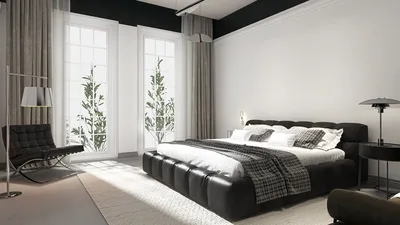


In a previous project, I accepted the challenge of placing a canopy bed within a client's tiny shoebox bedroom, a decision that almost led to my dismissal when the heavy fabric obstructed the sole window. Afterward, I learned to sketch vertical solutions that minimized visual clutter, treating the canopy more like an elegant piece of furniture instead of a traditional tent. If the idea of a canopy excites you but you're concerned it might overpower a compact space, these innovative solutions helped salvage that project and saved me from a few therapy sessions.
1. Opt for an Open-Frame Canopy
I prefer the use of slender metal or lightweight wooden frames that outline the bed while preserving sightlines. The benefit of such designs is their airy feel, which keeps the room appearing larger. However, since these frames become a focal point, it's important to consider their finish – a matte black finish offers a contemporary vibe, whereas brass imparts a vintage touch. For those on a budget, powder-coated steel can closely resemble more expensive materials without the hefty price tag.
save pin
2. Utilize Sheer Drapes for a Light and Airy Effect
Lightweight sheer fabrics allow sunlight to filter through while providing privacy without the weighty look of thick curtains. I enjoy layering a sheer panel with a roll-up blackout shade for evenings when darkness is desired — this combination is both stylish and adaptable, though simple tiebacks are necessary to avoid a clinical appearance reminiscent of hospital drapes.
save pin
3. Elevate the Bed for Additional Storage
By raising the bed a few inches or transforming the canopy into a shallow loft, you can access hidden storage for bins, shoes, or even a pull-out desk. This strategy is incredibly useful in small spaces, but care should be taken with ceiling heights to ensure there's enough headroom. I always create a mock-up of the vertical dimensions first to prevent any unfortunate bumps. To visualize the placement of the canopy in three dimensions before making any changes, I often utilize a design tool such as Homestyler.
save pin
4. Incorporate Lighting Within the Canopy
The right lighting can significantly enhance the ambiance of a canopy bed: consider using slim LED strips, integrated sconces, or a dimmable pendant to keep the ceiling free from clutter while maintaining depth. This setup not only provides warmth but also adds a cinematic quality to the room. It's crucial to plan wiring early in the design process, as retrofitting electrical systems can inflate the project budget. I typically use low-heat LED options to ensure that the fabrics remain safe and undamaged.
save pin
5. Design a Multi-Functional Nook
Consider the canopy as a room divider: a slender design can visually separate your sleeping area from a petite office or wardrobe without the need for structural walls. In one of my designed apartments, the canopy defined a micro-bedroom, giving the entire space a thoughtful layout; however, it’s essential to incorporate smart storage solutions to prevent the nook from becoming disorganized. If you're looking to experiment with various layouts quickly, using a room planner like Homestyler can be beneficial.
save pin
FAQ
Q: Will having a canopy bed make my small room appear smaller?
A: Not necessarily, especially if you select a slender frame and light fabrics. Vertical lines can actually draw the eye upwards, making ceilings feel higher rather than creating a cramped floor plan.
Q: How high should a canopy bed be in a constrained space?
A: It’s advisable to maintain at least 6–12 inches of visual clearance between the mattress top and the lowest part of the canopy frame; the overall canopy height should correspond to the ceiling height to avoid an overly top-heavy appearance.
Q: What mattress sizes are best suited for a canopy in a small room?
A: Twin or full-size mattresses typically work best in compact bedrooms since they allow for better flow and storage; for specific mattress dimensions, refer to the National Sleep Foundation’s mattress size guide.
Q: Is it possible to install lighting on a canopy frame?
A: Certainly — low-heat LED strips, plug-in fairy lights, or clip-on lamps can be effectively integrated. However, it’s wise to plan the electrical setup during the design phase to ensure wiring is discreet and safe.
Q: Are canopy beds safe for children?
A: They can be safe, but prioritize sturdy frames and secure fittings, avoiding heavy materials that could potentially be pulled down. For younger children, keep the canopy at a lower height and minimize fabric usage.
Q: How can I prevent canopy drapes from accumulating dust in a small space?
A: Consider using machine-washable sheer fabrics or a removable liner; regular vacuuming with a fabric brush will help maintain cleanliness with minimal effort.
Q: Can a canopy bed enhance privacy in a shared room?
A: Absolutely — a lightweight canopy can serve as a personal boundary without the need for walls, although it’s essential to think about sightlines and ventilation when setting up the space.
Q: Are canopy beds costly to install in small bedrooms?
A: They can be quite economical — open-frame kits are often affordable, while the choice of fabrics represents the most significant cost variable. I always recommend sourcing frames and drapes separately to strike a balance between affordability and style.
Homestyler is your go-to online home design platform! With its user-friendly design tool, stunning 3D renderings, and a wealth of design projects and DIY video tutorials, you can effortlessly transform your home ideas into reality. Perfect for both novices and seasoned designers!
Progetta ora GRATIS
































