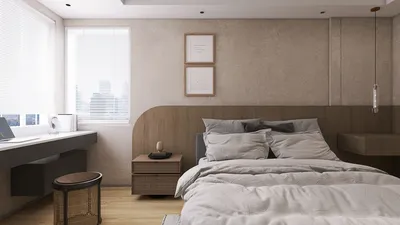


During my visit to a cabin project, I encountered an interesting setup where the client had creatively arranged antique skis as a headboard. While it was definitely charming, it also proved to be less stable than I anticipated. This quirky design experience reminded me that rustic aesthetics thrive best when coupled with effective planning. In these instances, utilizing a quick 3D mockup can preserve both allure and practicality. Small cabin bedrooms serve as ideal stages for inventive solutions; their constrained space challenges us to make choices that enhance intention rather than create clutter, especially when employing tools like Homestyler to visualize designs.
1. Embrace Warm Wood Tones
There’s something enchanting about the touch of reclaimed pine walls during site visits — its texture and warmth instantly set a welcoming tone. Unifying the room with a consistent wood palette, from ceiling beams to the bed frame and bedside shelf, creates harmony. However, be cautious: an excess of dark wood can make the space feel oppressive. It's essential to balance these elements with lighter linens or a bright rug to maintain an inviting atmosphere.
2. Layered Textiles for Cozy Nooks
Incorporating various textiles like throw blankets, a mix of matte and brushed materials, along with lumbar pillows, transforms a compact bed into a cozy retreat. Textiles not only offer budget-friendly options but are also reversible, which is handy when a client changes their vision. A potential drawback is the need for frequent laundering due to the variety of fabrics; therefore, opting for machine-washable materials is wise, especially for busy families.
3. Intelligent Scaling and Multifunction Furniture
While working on a petite cabin, I designed a bed featuring drawers underneath alongside a sleek floating shelf in place of a bulky nightstand. This setup felt purposeful while maximizing floor space. Additionally, selecting narrower, taller dressers or built-in benches provides essential storage without obstructing pathways. On occasions, utilizing AI-driven layout previews with tools like Homestyler enables me to experiment with arrangements before making any physical changes.
4. Nature-Inspired Accent Wall
Creating a standout accent wall with a subtle leaf stencil or vertical plank treatment can introduce character without overwhelming the space. This cost-effective approach adds a touch of personality; however, there’s a commitment involved. If the design becomes tiresome, ensure that the treatment is either easily removable or requires minimal effort to repaint. For example, I once utilized peel-and-stick panels in a rental cabin, and the client was thrilled with the look, which also offered hassle-free adaptability.
5. Maximize Light and Views
Many small cabins boast breathtaking views; I typically arrange the bed to face the best window whenever feasible while using low-profile frames to preserve sightlines. If privacy is a concern, consider layering window treatments with sheer and blackout options, allowing for an unobstructed view during the day while ensuring a restful sleep at night. Creating a scaled layout mockup can assist in testing placements prior to furniture purchases.
FAQ
Q1: What color palette works best for a cabin bedroom?
I generally suggest warm neutrals complemented by a single accent color sourced from nature — think mossy greens or deep burgundies. This keeps the environment cozy without veering into kitsch territory.
Q2: How do I create the illusion of a larger space in a small cabin bedroom?
Incorporate consistent vertical lines, use mirrored surfaces judiciously, and choose furniture scaled appropriately for the room. Decluttering and implementing clever built-in storage solutions also aid in visually expanding the area.
Q3: Are rustic materials challenging to maintain?
While some reclaimed woods and natural finishes can require extra care, selecting sealed woods or resilient textiles can significantly reduce maintenance needs. I always guide clients on realistic upkeep routines during the project handover.
Q4: Is it possible to blend modern and rustic styles?
Definitely — combining a contemporary light fixture with a rustic bed frame can create appealing contrasts that feel curated rather than chaotic. The key is to maintain similarity by repeating a metal finish or color across two or three elements to harmonize the styles.
Q5: What type of lighting is ideal for a cozy cabin bedroom?
Layering lighting is the most effective approach: incorporating ambient (warm ceiling lights), task (reading lamps), and accent lighting (string lights or sconces) enhances the atmosphere. Dimmable options can be a game-changer in setting the right mood.
Q6: How can I tackle insulation and drafts in an older cabin?
Focus on sealing windows, addressing door thresholds, and placing an insulating rug underfoot; these measures help combat cold drafts effectively. If you're uncertain, consider scheduling a professional energy audit to prioritize necessary improvements.
Q7: What is the optimal temperature for a good night's sleep?
The National Sleep Foundation recommends maintaining bedroom temperatures between 60–67°F (15–19°C) for optimal sleep quality; adjusting bedding within this range can significantly impact comfort (source: https://www.sleepfoundation.org/).
Q8: How can I experiment with my layout before purchasing furniture?
Creating to-scale sketches or engaging in simple digital mockups can save both money and time. I frequently encourage clients to approve a quick plan to avoid miscalculating sizes. If you're unsure where to begin, I can provide basic templates that work well for typical cabin layouts.
Homestyler is your go-to online home design platform! With its easy-to-use design tool, stunning 3D renderings, and a wealth of DIY video tutorials, you can effortlessly create beautiful spaces and explore exciting design projects. Transform your home with confidence and creativity!
تصميم الآن مجانا
































