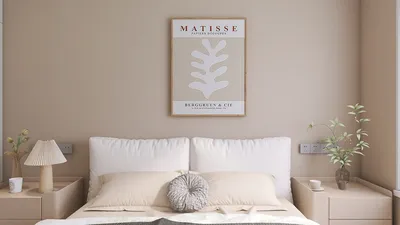


In a past project, I had the challenge of designing a compact children's room where the client required a bunk bed to incorporate a slide, a bookshelf, and a closet, all within just 8 square meters. Initially, I found it amusing, but then I quickly realized that such limited space ignites immense creativity. Whenever I find myself dealing with a tight layout, I typically utilize a room planning tool like Homestyler to organize everything efficiently before selecting a bed design.
1. Classic Twin-over-Twin with Built-in Storage
While I admit to occasionally over-designing, I cannot help but recommend a twin-over-twin bunk bed featuring integrated drawers and shelving within the stairs. This design feels more like a stylish furniture piece rather than just a bed. It helps keep toys and clothes neatly organized. Just keep in mind that this setup may compromise under-bed clearance and can come with a slightly higher cost due to the custom woodworking involved.
2. Loft Bed with Desk Nook
For teenagers needing a space to study, I am fond of loft beds that allow for a dedicated desk or craft area beneath them. This is an effective way to combine sleeping and productivity zones within the same area. However, one should consider that noise can travel more easily in this design, and moving the layout later may be tricky due to the ladder's positioning.
save pin
3. Staggered Bunks for Headroom & Privacy
Opting for staggered or ‘offset’ bunks provides each sleeper with increased headroom and a better sense of privacy while keeping the overall footprint unchanged. I often incorporate these designs into projects and use a 3D floor planner, like Homestyler, to ensure proper clearances. The advantage lies in enhanced comfort, while the downside can be more intricate carpentry and limited straight-line storage options.
save pin
4. Trundle + Bunk Hybrid
For those needing an extra sleeping space for guests, a trundle bed positioned beneath a top bunk or loft is an excellent choice. This setup keeps the floor area clear during the day while providing an additional bed when necessary. It's a cost-effective solution as long as you avoid extensive custom work. However, be aware that trundle mattresses are typically thinner, so selecting the right mattress type is important.
save pin
5. Fold-down or Murphy-style Bunk
In multifunctional rooms, wall-mounted fold-down bunks that can be hidden during the day work like a charm—perfect for studios or guest accommodations. Although these systems can be pricier and demand careful installation, utilizing advanced technology or design advice from an AI home design platform like Homestyler can guarantee that you avoid clearance issues.
save pin
FAQ
Q1: What size bunk bed works best in a small room?
For cramped spaces, I typically recommend twin-size bunks, as they help maintain clear circulation. Be sure to measure doorways and ceiling heights prior to ordering to prevent any surprises during delivery.
Q2: Are bunk beds safe for young children?
Top bunks are generally suitable for children aged 6 and older; it's crucial to have guardrails and secure ladders in place. Always adhere to the manufacturer’s guidelines and ensure sturdy anchoring to walls for safety.
Q3: How much clearance do I need above a top bunk?
You should aim for at least 75–90 cm (30–36 inches) between the top mattress and the ceiling for comfortable sitting. Loft systems may require additional clearance based on lighting and slanted ceilings.
Q4: Can I build storage into a bunk bed?
Absolutely—stairs with drawers, under-bed pullouts, and built-in shelves are my preferred solutions for compact rooms. The only downside can be the initial high cost, but better organization often reduces the need for purchasing separate furniture.
Q5: How do I choose between a ladder and stairs?
Ladders save space and offer a minimalist look, while stairs provide additional storage and are easier for younger children to navigate. My choice generally depends on household dynamics: families with younger kids and frequent users usually favor stairs; teenagers often lean towards ladders.
Q6: What mattresses work for bunk beds?
For top bunks, select thin, firm mattresses (typically 6–8 inches) to maintain the effectiveness of the guardrail, and confirm weight limits for both bunks. For trundles, a low-profile mattress is advisable to retain height when stored.
Q7: Any quick budget tips for small-room bunks?
Consider repurposing modular shelving and opting for standard-sized mattresses to avoid custom costs. Refreshing an older frame with new paint and hardware can also do wonders. Prioritize safety features, and ensure to allocate budget for quality ladders or stairs with storage.
Q8: Where can I find official safety guidelines?
The U.S. Consumer Product Safety Commission (CPSC) provides comprehensive safety standards for bunk beds; visit their website at https://www.cpsc.gov for specific rules on guardrails, mattress heights, and proper labeling.
save pin
Discover the magic of home design with Homestyler! This user-friendly platform offers a powerful online design tool, stunning 3D renderings, and a wealth of design projects. Plus, with DIY video tutorials at your fingertips, turning your design dreams into reality has never been easier!
立即免费设计
































