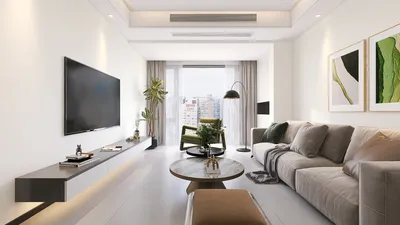


In recent years, earthy shades have become increasingly popular in interior design, with brown standing out as a particularly versatile choice. This hue adds warmth, richness, and a timeless quality to contemporary living spaces. Drawing from over a decade of experience in interior design, I've noticed that even the tiniest areas can inspire the most inventive color solutions — and brown is a staple in my design toolkit. In this article, I will present 10 creative brown living room ideas, weaving in my own experiences along with expert advice, all to help you create a stylish and welcoming environment, enhanced by using platforms like Homestyler.
Deep Chocolate Accent Walls
My Opinion: A rich chocolate accent wall can transform a living room, making it feel cozy without reducing the perceived space. I've utilized this approach in a small urban apartment by combining it with light-colored sofas for contrast.
Advantages: This choice brings depth and elegance, beautifully integrating with beige, cream, and gold touches. According to Architectural Digest, darker accent walls can cultivate an intimate and luxurious ambiance.
Disadvantages: If overused, it may cause the room to feel cramped; it's best suited for areas with ample natural light.
Suggestion: Counterbalance the deep tones with lighter fabrics or reflective surfaces like mirrors.
Cozy Leather Sofas
My Experience: Choosing a caramel-toned leather sofa was a wise investment in a family living room project — it not only aged beautifully but also became the central hub of comfort.
Benefits: Leather is durable, easy to maintain, and develops a stunning patina over time, enhancing the warmth of a brown living room design.
Drawbacks: High-quality leather can be pricey, and darker shades may show scratches more easily.
Example: In a small loft, I complemented leather seating with minimalist storage solutions to prevent visual clutter.
Revival of Wood Paneling
My Perspective: Contemporary wood paneling, particularly with sleek finishes, creates a natural, textural vibe without appearing outdated.
Pros: This feature adds sound insulation, visual warmth, and natural variety, making it perfect for establishing an earthy backdrop.
Cons: It requires upkeep to avoid issues like drying or warping, making it less ideal for very humid environments.
Tip: Opt for vertical panels to give the illusion of higher ceilings.
Layered Neutral Fabrics
My Insight: Integrating taupe throws, beige rugs, and chocolate cushions can enhance dimensionality without overwhelming smaller spaces.
Advantages: This method creates an atmosphere of coziness, is easy to refresh with seasonal changes, and is ideal for renters who cannot alter wall colors.
Disadvantages: Regular cleaning is necessary to keep fabrics looking fresh, and an excess of patterns might create a chaotic feel.
Coffee-Colored Rugs
My Observation: A coffee-brown rug serves as a foundational piece that can unify diverse furniture — I previously used one to harmonize an eclectic furniture setup in a client’s residence.
Advantages: This type of rug conceals stains effectively, adds warmth, and complements various wood finishes.
Disadvantages: Dark rugs might make dust more noticeable, and heavy rugs can be cumbersome to relocate for cleaning purposes.
Cost Consideration: Opting for wool blends strikes a good balance between durability and affordability.
Bronze and Brass Highlights
My View: Using metallic elements such as bronze lamps or brass table legs injects a touch of elegance, preventing the brown palette from feeling one-dimensional.
Advantages: These materials reflect light, introduce a touch of luxury, and harmonize with both warm and cool color undertones.
Disadvantages: Maintaining their shine requires regular polishing, and excessive use may make them appear outdated.
Example: In a transitional-style home, I mixed brass accents with L-shaped designs, optimizing surface space in adjoining kitchen areas.
Dark Wood Coffee Tables
My Experience: My walnut coffee table has endured numerous design transformations — it serves as a timeless centerpiece in every brown-themed living room.
Pros: This type of table is sturdy, flexible, and disguises wear well. It fits seamlessly into both rustic and contemporary themes.
Cons: It can be heavy to reposition and may show scratches over time.
Patterned Brown Wallpapers
My Take: Subtle geometric designs in warm brown hues can introduce visual interest while maintaining a cohesive look.
Pros: These designs inject character and can emphasize a focal wall. HGTV notes that patterned walls can enliven a space.
Cons: Changing wallpaper is more labor-intensive than painting, and some patterns may age quicker.
Mixing Wood Varieties and Brown Tones
My View: Combining oak, walnut, and mahogany shades creates a textured, collected appearance over time.
Pros: This approach prevents monotony and enhances richness and depth in the palette.
Cons: It requires careful coordination to avoid clashing undertones.
Tip: Establish a dominant wood tone to anchor the space, and then accentuate it with others sparingly.
Brown with Vibrant Color Accents
My Opinion: I enjoy pairing chocolate or coffee tones with accents of teal, mustard, or burnt orange for a lively contrast.
Pros: This combination prevents the brown scheme from being too conservative, adds personalization, and showcases your unique taste.
Cons: Moderation is key; an excess of bold colors might overwhelm the brown foundation.
Example: In a retro-inspired apartment, I contrasted brown with teal velvet chairs, harmonizing the warmth that wood brings to a room to achieve visual balance.
Conclusion
Using brown in a living room goes beyond simply playing it safe — it fosters a warm and grounded environment that promotes relaxation and connection. This is particularly true in smaller spaces, where it encourages more thoughtful design choices, from texture layering to color mixing. As Elle Decor has highlighted, earthy tones are not just a trend; they are evolving with modern accents and inventive combinations. Which of these brown living room concepts would you explore in your own home, perhaps utilizing tools like Homestyler to visualize your ideas?
Frequently Asked Questions
1. How can I give my brown living room a contemporary feel?
Combine brown with sleek furniture designs, metallic highlights, and modern artwork to maintain a fresh look.
2. What colors complement brown in a living space?
Shades like beige and cream, along with accent colors such as teal, mustard, or blush, work effectively to balance brown tones.
3. Can brown enhance the appearance of a smaller living area?
Indeed, using lighter brown shades and ensuring plenty of natural light can help; darker browns should primarily act as accents.
4. Are brown living rooms still fashionable?
Yes, trend analyses from Elle Decor affirm that earthy palettes, including various shades of brown, are timeless when paired with modern elements.
5. What materials pair well with a brown color scheme?
Leather, wood, linen, and metal all harmonize beautifully with brown tones, providing diverse textures and depth.
6. How can I lighten a dark brown living room?
Include mirrors, glass accents, and lighter fabrics to reflect brightness and balance dark shades.
7. Is brown suitable for minimalistic designs?
Yes, particularly in warm minimalism — envisioning simple forms, a restricted color palette, and natural materials.
8. What’s a cost-effective way to refresh a brown room?
Replace cushions, artworks, and lighting, or consider a statement rug to revitalize the palette without extensive renovations.
Homestyler is your go-to online platform for transforming home design dreams into reality. With its user-friendly design tool, stunning 3D renderings, diverse design projects, and helpful video tutorials, you can effortlessly create beautiful spaces, no matter your experience level. Start designing today!
立即免费设计
































