

In one of my past projects, a client was adamant about using cobalt blue for a hallway, believing it would invigorate guests. However, we quickly discovered that since the hallway was north-facing, it took on a dim, submarine-like quality at dusk. To remedy this, we introduced warm wood accents and a mirror, which became one of my favorite design hacks. If you’re dealing with blue walls, small challenges can lead to remarkable creative solutions. Here, I’ll share insights from that project along with four additional approaches. For a clear visualization of scale prior to painting, take a look at a previous room project I utilized.
Deep navy accent wall
Applying a deep navy hue to a single wall can remarkably transform a compact room, giving it an illusion of depth akin to a serene view. It effectively conceals imperfections while creating a striking background for artwork and brass details. However, it's crucial to be mindful of lighting, as navy often thrives in warm light and may feel oppressive in poorly lit spaces. I once advised a client to paint the ceiling a lighter shade, an inexpensive choice that visually elevated the ceiling height.
save pin
Soft powder blue all-over
Opting for a soft blue throughout a room is my preferred choice when clients seek tranquility. It bounces light beautifully and pairs well with natural textiles and light wood finishes. The downside is that it might show fingerprints, especially in high-traffic areas; therefore, I recommend using a washable eggshell finish and keeping a small color sample handy for easy touch-ups.
save pin
Two-tone blue with trim details
Incorporating two complementary shades of blue— a deeper tone below a chair rail and a lighter shade above— brings architectural interest without the need for elaborate moldings. This budget-friendly method can look unexpectedly chic; I frequently employ 3D renderings with tools like Homestyler to visualize proportions for clients who are apprehensive about darker colors being overwhelming. A ratio of approximately 60/40 is key to maintaining an open feel.
save pin
Blue-backed shelving and alcoves
Painting the back of shelves or alcoves blue infuses a pop of color without overwhelming the entire space. This approach highlights decorative ceramics and books, and if you change accessories seasonally, the blue provides a neutral foundation. Just ensure the edges are clean— using painter’s tape and a small sash brush can help achieve sharp lines.
save pin
Blue kitchen feature wall or island
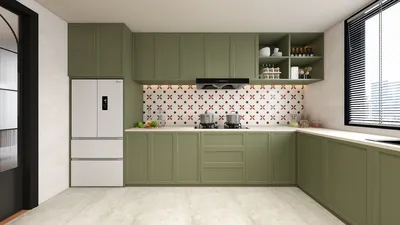
A bold choice of blue for a kitchen feature wall or island can serve as a stunning focal point that conceals scuffs more effectively than traditional white. I guided a client in selecting a mid-tone blue for an island that beautifully accentuated brass hardware; while it wasn't the most economical choice, it significantly enhanced the perceived value of the space. For effective layout planning and to see how the hue interacts with appliances, refer to this kitchen layout illustration before making a final decision.
save pin
FAQ
Q1: What shade of blue makes a small room feel bigger?
A1: Lighter blues with warm undertones and hints of gray or green reflect light well, creating a sense of spaciousness. It's advisable to select lighter shades and test samples on the walls at various times of the day.
Q2: Which sheen is best for blue painted walls?
A2: Eggshell or satin finishes strike a perfect balance, providing washability without excessive shine. Use flat paint on ceilings to mask imperfections.
Q3: How do I pair wood tones with blue walls?
A3: Lighter woods like maple or ash complement cool blue shades nicely, while mid to dark woods such as walnut offer contrast and warmth with deeper blues. I recommend sampling swatches in natural light prior to making a choice.
Q4: Can I easily paint over dark blue?
A4: Yes, but it typically requires a tinted primer or multiple coats of a high-coverage paint. Allocate time for proper priming to avoid needing several top coats.
Q5: Is blue suitable for bedrooms and bathrooms?
A5: Definitely—blue is often associated with calmness and cleanliness. For insights into color psychology, check out Benjamin Moore’s color resources (https://www.benjaminmoore.com/en-us/color-overview/color-psychology).
Q6: How many samples should I try before making a decision?
A6: It's best to test at least three samples on the actual wall because lighting can alter colors; observe them in the morning, afternoon, and evening before finalizing your choice.
Q7: Any budget-friendly tips for a blue refresh?
A7: Focus on painting the smallest impactful area — such as a single wall, an island, or the backs of shelves — to maximize visual impact at a minimal cost. Quality paint and proper preparation will yield better results than inexpensive paint needing frequent touch-ups.
Q8: How can I maintain blue painted walls?
A8: Gently wipe stains with a damp cloth and mild detergent for eggshell or satin finishes. Retain a small leftover can for touch-ups to match both the finish and sheen.
save pin
Homestyler is your go-to online home design platform, perfect for transforming your ideas into reality. With its user-friendly design tool, stunning 3D renderings, a wealth of design projects, and helpful video tutorials, creating your dream space has never been easier or more enjoyable!
立即免费设计
































