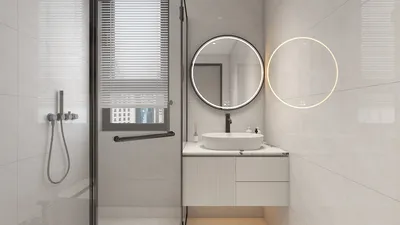


In my experience as a designer, I once had a client who wanted their bathroom to reflect the soothing colors of the Mediterranean Sea, inspired by a vacation. They even brought a blurry picture for reference! After creating three different mockups, I discovered that one design nearly camouflaged the toilet among the tiles. This experience taught me that in small bathrooms, it’s essential to make bold yet deliberate design choices. These compact spaces offer a canvas for immense creativity, and blending blue and green tiles is an ideal way to showcase that flair, especially with tools like Homestyler for visualizing designs.
1. Ombre Wall Transitioning from Seafoam to Navy
Employing gradient tiling that begins with light seafoam near the floor and transitions to a rich navy at eye level adds dramatic verticality without creating clutter. I implemented this design in a small ensuite, and it effectively extended the visual height while instilling a sense of calm. Although this technique demands careful planning and additional tile cuts, the outcome is worthy of the effort, creating a tranquil, spa-like atmosphere.
save pin
2. Checkerboard Backsplash Using Matte Subway Tiles
Using a playful mix of muted blue and soft green matte subway tiles for a modern checkerboard backsplash behind the sink results in a bright and lively aesthetic. This design not only offers a fresh look but also conceals water spots more effectively than glossy tiles. The choice of grout color plays a crucial role in maintaining a modern vibe, while the playful pattern is forgiving of minor errors and instantly adds character to the space.
save pin
3. Two-Tone Hexagon Floor Tiles
Implementing hex tiles in two coordinating shades such as teal and mint brings a textured, crafted atmosphere to the floor while keeping wall surfaces understated. In one rental bathroom, I used this design method to inject personality without committing to permanent décor alterations. The advantages include durability and visual intrigue, but it necessitates a level subfloor and precise installation.
save pin
4. Decorative Niche with Patterned Blue-Green Mosaic
Constructing a recessed shower niche adorned with blue-green mosaic tiles can serve as the centerpiece of the bathroom, akin to a jewel. This small installation packs a considerable impact without cluttering the area. However, mosaics can be more expensive and challenging to waterproof correctly, so pre-planning for waterproofing is essential.
save pin
5. Combining Large-Format Turquoise with Small Green Accents
Outfit the main walls with large-format turquoise tiles, and complement with small green tiles around mirrors or shelves. The large tiles minimize grout lines, creating a more expansive feel, while the smaller accents infuse personality into the design. It’s a balanced design strategy, though ensuring that the tones coordinate perfectly requires patience and sampling.
save pin
Tips to Consider:
When budgeting, keep in mind that mosaics and custom gradients can be pricier, while large-format tiles and smart layout strategies can help in reducing labor costs. A practical piece of advice is to always test samples in the actual room to observe how both natural and artificial lighting affect the blues and greens. When planning layouts and mockups, I frequently utilize a room planner like Homestyler to experiment with arrangements and color combinations before making tile purchases.
save pin
FAQ
Q1: Are blue and green tiles a good match for small bathrooms?
A1: Certainly! Cool colors like blue and green can create a serene and spacious ambiance in a small bathroom. Employing larger tiles or a vertical gradient can enhance the visual expansion of the area.
Q2: What grout color complements blue-green tiles best?
A2: A neutral gray is versatile and hides dirt well, while white can brighten the space; it’s essential to test samples, as grout colors can significantly alter the perceived shades of the tiles.
Q3: Do patterned mosaics risk overwhelming a small bath area?
A3: They can, if not applied judiciously; it's advisable to restrict patterned mosaics to either a niche or accent wall to maintain balance within the overall design.
Q4: Which tile finish is preferable for shower walls?
A4: Matte or satin finishes are preferable as they help reduce glare and prevent slipping when wet. In contrast, glossy tiles, though easier to clean, can showcase water spots more prominently.
Q5: What’s the best way to waterproof behind mosaic niches?
A5: It’s vital to install a reliable waterproof membrane (like Schluter-KERDI) and adhere to the manufacturer's guidelines; proper waterproofing is critical to avert leaks.
Q6: Is it acceptable to mix different tile sizes in one bathroom?
A6: Absolutely! Mixing sizes can add visual interest; just ensure to maintain a consistent color palette and a clear hierarchy with larger dominant tiles and smaller accents for coherence.
Q7: Where can I digitally experiment with tile layouts?
A7: I typically use a free floor plan design tool such as Homestyler to create mockups of tile patterns and proportions prior to purchasing materials.
Q8: Is there a reliable source for bathroom waterproofing standards?
A8: Certainly—the Tile Council of North America (TCNA) provides comprehensive guidelines for installation and waterproofing (tcna.org) which I adhere to in my professional work.
save pin
Looking to transform your space? Homestyler is your go-to online design platform! With its user-friendly design tool, stunning 3D renderings, and a wealth of DIY video tutorials, you can effortlessly create and visualize your dream home. Start your design journey today!
Desain sekarang Gratis
































