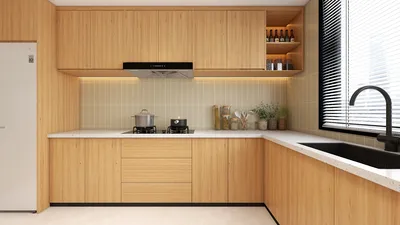


Once, I transformed a bedroom into a vibrant flamingo pink because the client wanted a touch of fun. However, she quickly regretted it. This mini disaster revealed to me two important lessons: colors hold immense power, and thorough planning is vital to maintain good relationships. For a clearer perspective, consider this case study of room transformation that illustrates how seemingly minor changes can make a significant impact: room transformation case.
Working with small spaces challenges creativity — with the right hue, a narrow room can feel more open, and a low ceiling can appear taller with clever contrasts. I’d like to share five bedroom wall color ideas that I implemented in real projects, detailing why they are effective, what pitfalls to avoid, and how to keep within budget.
1. Soft Warm Neutrals with a Cool Accent
Consider using warm beige or oatmeal on three walls, paired with a cooler dove gray or muted blue on the feature wall behind the bed. This color scheme creates a cozy ambiance without overwhelming the space — neutrals enhance light reflection, while the cool accents provide a solid anchor for the bed. However, a note of caution: neutrals may appear dull if the finishes lack texture, so incorporate elements like linens or a woven headboard to enrich the atmosphere.
2. Soft Green for Tranquility and Flexibility
Soft shades like sage or mint are my preferred options for clients seeking a sense of calm without the chilliness that blue can impart. These colors blend beautifully with wooden accents and greenery, proving versatile under both natural and artificial lighting. Just keep in mind that greens differ by undertone—testing large samples during various times of the day can help avoid missteps.
save pin
3. High-Contrast Trim with a Mellow Feature Wall
Using a darker, crisp color for trim and moldings while opting for a subdued shade for the walls creates depth and accentuates architectural details. I applied this method in a compact city apartment, and it instantly gave the room a layered, intentional feel. If you’re concerned about precision, using painter's tape or consulting a professional for the trim is a wise investment.
To get a better idea of your final look before purchasing paint, I often utilize 3D renders, allowing clients to see how different lights and textures will influence color perception.
save pin
4. Rich Jewel Tones — Contemporary Yet Cozy
Shades like deep teal, muted emerald, or dusty plum can envelop the walls in a luxurious cocoon ideal for restful bedrooms. To prevent the space from feeling cave-like, keep bedding and bedside lamps warm. Note that getting these deep colors just right can be costly — employing sample pots and considering an eggshell finish may help mitigate sheen issues.
5. Playful Two-Tone: Chair Rail or Diagonal Split
Two-tone treatments are not just for retro styles; having a darker lower band with a lighter upper section can stabilize a small room visually. A diagonal split not only injects energy but also elongates sight lines when directed toward the headboard. This technique is budget-friendly as it requires only one accent and one base color, although achieving precise alignment takes some patience. For concept-driven projects, I sometimes use digital mockups from AI design tools like Homestyler to experiment with bold color splits effortlessly.
save pin
FAQ
Q: What is the best wall color for a small bedroom?
A: Generally, lighter warm neutrals and soft pastels tend to visually expand a small bedroom. Cool accents can introduce interest without making the space feel cramped.
Q: Do darker colors make a bedroom appear smaller?
A: While darker hues might make a room feel cozier, they don’t necessarily shrink it. With appropriate lighting and reflective fabrics, they can create a warm, inviting atmosphere.
Q: How do I determine the right undertone?
A: Always test expansive swatches on various walls and observe them in both morning and evening light, as undertones can shift dramatically based on the lighting environment.
Q: Should I choose matte or eggshell finish for bedroom walls?
A: Eggshell is more forgiving and offers a bit of sheen, making it suitable for bedrooms. Matte finishes can hide blemishes but may appear flat, especially in low light.
Q: Can paint enhance sleep quality?
A: Colors such as soft blues and greens are linked to relaxation. According to the National Sleep Foundation, cooler tones facilitate a calming atmosphere conducive to sleep.
Q: What should I budget for repainting?
A: For a typical small bedroom, DIY paint expenses range from $100 to $300 for quality products; hiring professionals can spike costs but guarantees clean lines and quicker execution.
Q: Any advice for renters?
A: Utilize removable wallpaper, peel-and-stick options, or temporary painting methods using tinted removable primers. These allow you to refresh the walls without jeopardizing your security deposit.
Q: How can I try a bold color before making a commitment?
A: Test with large paint swatches and mood boards; utilizing digital tools like Homestyler for 3D previews can offer a quick approximation, but it's always best to confirm with actual samples under your room’s lighting.
Looking to transform your space? Homestyler offers a user-friendly online design tool, stunning 3D renderings, and a wealth of design projects and DIY video tutorials. Perfect for anyone wanting to create their dream home effortlessly! Start designing today!
立即免费设计
































