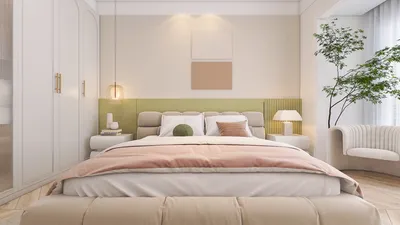


A memorable experience occurred when a couple visited my studio, each with contrasting preferences: the wife desired soft blush, while the husband favored slate navy. As a surprising twist, the wife suggested adding a neon pink accent, which made me chuckle. This request highlighted a valuable lesson: compromise can yield stunning results with the right approach. I quickly sketched out several alternatives and retrieved space planning examples that illustrated how color and layout interact within cozy bedrooms.
1. Tranquil Neutrals with a Touch of Warmth
In many instances, I guide couples towards selecting a neutral foundation — warm greys, taupes, or gentle greiges — as it provides a calming shared space. Incorporating a singular warm accent, like terracotta or mustard, in cushions or perhaps a bedside wall, infuses personality into the room without causing conflict in design preferences. However, neutrals can sometimes appear dull if you neglect texture, so I always recommend layering rugs, throws, and mixing matte with glossy finishes to maintain visual interest.
save pin
2. Dramatic Jewel Tones with Balanced Lighting
For those couples where one delights in boldness and the other seeks tranquility, jewel tones like deep teal or emerald serve wonderfully on a prominent wall or headboard area. To mitigate any dark feeling, incorporate abundant lighting — such as brass fixtures, light bedding, and reflective surfaces — transforming the room into a chic, cocooning space that feels sophisticated and well-considered.
save pin
3. Pastel Agreement with Striking Trim
Pastels are often my choice for couples fond of soft shades but unsure about which to choose; select two complementary pastels and apply contrasting trims or ceiling colors to define areas. For instance, I paired blush with sage, accentuated by a deeper trim that added grounding — both partners felt acknowledged in their choices. To prevent a youthful appearance, complement the pastels with charcoal or walnut furnishings and matte finishes.
save pin
4. Monochromatic Layers for the Minimalist Duo
If you and your partner prefer a refined aesthetic, choose one color and explore various tones — think from charcoal to light ash greys, infused with texture. This design concept exudes sophistication and is surprisingly accommodating when integrating art or plants. To avoid visual tedium, diversify fabrics, introduce a patterned throw, or use a subtle geometric rug to maintain viewer engagement.
save pin
5. Dual Palette: Personalized Sides, Creatively Coordinated
For couples with distinctly different color preferences, consider a dual palette approach where each side of the bed reflects one partner’s style while incorporating a unifying feature, such as a shared headboard or consistent bedding choice. I assisted a couple who opted for navy on one side and soft sand on the other, connected by a mid-toned runner — it felt unique and collaborative. Ensure scale is managed; smaller rooms can seem fragmented, so maintain a common floor or ceiling color for harmony, and utilize a tool like Homestyler to visualize split color schemes before painting.
save pin
FAQ
Q1: Which colors are ideal for couples seeking relaxation?
A: Generally, soft blues, muted greens, and warm neutrals promote calmness as they reflect natural elements. I suggest testing color samples on your walls at various times of day before making a final decision.
Q2: How can we reach a compromise if one loves vibrant hues?
A: Incorporate vibrant colors in accents like a statement wall, headboard, or textiles while keeping larger areas neutral. This respects both partners' tastes without overwhelming the space.
Q3: Do dark colors negatively impact small bedrooms?
A: Not necessarily. Dark shades can create a cozy ambiance if paired with ample light and lighter textiles. Consider painting just an accent wall to maintain an open feeling.
Q4: How do we infuse trendy colors without constant repainting?
A: Bring trends into the space through removable elements such as bedding, cushions, art, and lamps. These budget-friendly swaps can refresh the room with the seasons.
Q5: Can color choices influence sleep?
A: Absolutely — colors that evoke calmness, like soft blues and greens, can enhance relaxation. Furthermore, minimizing screens and bright, cool lighting at night can support better sleep.
Q6: How can we select a unifying feature that accommodates varying color preferences?
A: Utilize consistent flooring, a shared headboard, or matching nightstand lamps to link differing wall colors. Cohesive texture or metallic finishes can also promote visual harmony.
Q7: Where can we preview color ideas in a room setup?
A: Utilize 3D modeling tools or layout previews to experiment with color interactions alongside furniture and light options. I highly recommend trying out an online design tool, like Homestyler, before making any purchases.
Q8: Is there an authoritative source on color psychology and trends?
A: The Pantone Color Institute serves as a valuable resource for guidance on color trends and their psychological impact; their seasonal reports and analyses are widely used by designers for inspiration.
Homestyler is your go-to online home design platform! With its user-friendly design tool, stunning 3D renderings, and a wealth of DIY video tutorials, you can effortlessly create and visualize your dream space. Start transforming your home today with Homestyler!
Design jetzt kostenlos
































