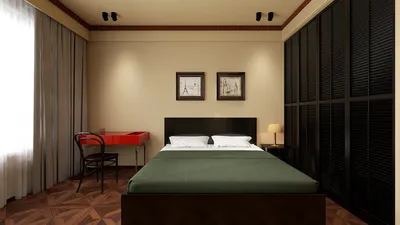


I once had a client request to fit a king-sized bed, a walk-in closet, and a piano into a 60 sqm unit — which made me chuckle, but I managed to create a workable plan. Designing for small spaces requires creativity, and it's in those moments that I achieve my finest design triumphs. In this article, I will present five effective layout ideas for 2-bedroom apartments that I have successfully implemented in real projects, highlighting their advantages, trade-offs, and practical tips you can try using Homestyler.
1. Open Living + Zoned Bedrooms
This layout is my favorite when the living area serves as the focal point. By maintaining an open-plan for the living room, dining area, and kitchen, I can enhance natural light and sightlines, while positioning the bedrooms off a short hallway to ensure privacy. The beneficial aspect is the spacious feel and adaptable furniture layouts; however, managing cooking sounds and odors can be challenging — a high-quality hood and a kitchen island often alleviate this. To visualize different setups, I typically utilize a room planner like Homestyler, which helps in crafting real-time sketches and mockups.
save pin
2. Split-Bedroom Plan for Roommates
For two adults who share a 2-bedroom apartment but desire privacy, I suggest placing the bedrooms at opposite ends of the unit, with the living space situated in between. This arrangement minimizes disturbances and provides each individual with a serene retreat. Although this may require slightly more circulation space, the peace of mind it offers is invaluable. I applied this method to a narrow layout previously, and the feedback was overwhelmingly positive.
save pin
3. Flexible Guest/Office Second Bedroom
Transforming the smaller bedroom into a multifunctional space is a smart strategy: a Murphy bed or a fold-down sofa allows the room to function as an office on most days and a cozy guest room as needed. The key benefit is a highly usable second room, though the compromise may be limited dedicated storage, which can be supplemented with vertical shelving and hidden closets. This tactic is especially effective in apartments where remote work is commonplace.
save pin
4. Bathroom-Adaptive Layout
When plumbing constraints come into play, I design layouts that group wet areas—such as kitchens and bathrooms—along one wall to reduce costs and simplify renovations. This approach results in lower expenses and fewer surprises during construction; however, creative solutions are necessary for soundproofing and ventilation. In one renovation, I saved the client 20% by keeping all wet zones aligned and reusing existing plumbing.
save pin
5. Balcony-Integrated Living
If a balcony is available, I visually expand the living area by aligning the indoor and outdoor flooring and installing sliding doors. This design creates a perception of a larger living space and enhances natural light. Though weatherproofing and furniture durability can be concerns, utilizing waterproof cushions and adjustable blinds makes it a year-round asset. In one coastal project, this technique transformed a small living room into a charming mini-vacation suite.
save pin
Tips 1:
Budget considerations: start with structural and plumbing challenges, then allocate funds for custom storage solutions and multifunctional furniture. Create various layouts and measure meticulously; even minor changes can significantly affect flow. For swift mockups of layouts, consider using a floor plan creator like Homestyler to quickly iterate your ideas.
save pin
FAQ
Q: What’s the best layout for a family with a child in a 2 bedroom apartment?
A: I generally opt for a split-bedroom or an open living area with zoned bedrooms to keep the child's room near parents, while separate guest/office spaces are still available. Safety features and flexible storage solutions are recommended as well.
Q: How can I make a small second bedroom feel bigger?
A: Incorporate light-colored paint, vertical storage options, and multifunctional furniture like a Murphy bed, all while maximizing natural light. Utilize mirrors and consistent flooring materials to enhance visual flow.
Q: Is it worth knocking down walls in a 2-bedroom to create an open plan?
A: This hinges upon whether the walls in question are load-bearing and the layout of plumbing or electrical systems. Consulting a structural engineer is advisable; if the walls are non-load-bearing, creating an open plan can significantly improve traffic flow.
Q: How much storage should I plan for in a 2 bedroom apartment?
A: Aim to include built-in wardrobes in both bedrooms, a hall closet for outerwear, and pantry space in the kitchen. Ideally, target around 6–8 cubic meters of dedicated storage for comfortable living.
Q: What layout saves the most on renovation costs?
A: Grouping wet areas such as kitchens and bathrooms along a single wall minimizes plumbing expenses and reduces costs overall. This method is frequently endorsed by professionals and can lead to considerable savings (according to Remodeling Industry Guidelines).
Q: Can I fit a full dining table in a 2 bedroom apartment? A: Absolutely — consider an expandable table or a banquette bench against a wall to conserve space while providing flexible seating for guests.
Q: How to improve privacy between bedrooms? A: Implement staggered doors, utilize floor-to-ceiling wardrobes as sound barriers, or incorporate acoustic insulation inside partition walls to minimize noise transfer.
Q: Where can I quickly test layout ideas digitally? A: I suggest using a 3D floor planner like Homestyler to visualize furniture arrangement and sightlines before finalizing any changes.
save pin
Looking to transform your space? Homestyler offers an intuitive online design tool that makes home styling effortless. With stunning 3D renderings, a plethora of inspiring design projects, and helpful DIY video tutorials, you can easily create the home of your dreams—no experience needed!
Concevez maintenant gratuitement
































