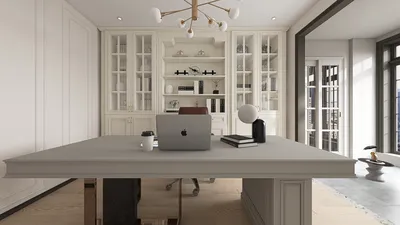


In the past few years, decorating ideas featuring bay windows have emerged as a major trend in interior design. Having amassed over a decade of experience, I have observed that creatively utilizing small or uniquely shaped areas—particularly those with bay windows—can truly unleash artistic potential. By incorporating seating arrangements and optimizing lighting, I present ten practical inspirations infused with expert insights so you can make the most of your charming nook with Homestyler.
1. Built-in Window Seating
My Perspective: I have a fondness for designing built-in seating under bay windows. In one particular project, we integrated plush cushions with hidden storage underneath, transforming it into the most cherished spot in the residence.
Benefits: This setup optimizes seating without occupying additional floor space, creates an inviting reading or conversation area, and enhances storage options. Research from Houzz indicates that built-in designs can significantly improve the flow of a room.
Drawbacks: Fixed seating arrangements may limit furniture rearrangement options, and if not properly cushioned, they can feel somewhat stiff.
Suggestion: Utilize deep drawers or lift-up lids for convenient storage access.
2. Layered Curtains for Light Control
My Perspective: For a client dealing with harsh afternoon sunlight, I combined sheer curtains with blackout panels, providing great flexibility—it kept the living room bright yet free from glare.
Benefits: This approach allows for privacy and sunlight modulation while adding richness and texture to the bay window’s aesthetic.
Drawbacks: More layers can lead to increased dust accumulation and potential tangling if children or pets play nearby.
Suggestion: Consider ceiling-mounted curtain tracks that align perfectly with the bay's curve—a trick I often implement when creating minimalist kitchen storage layouts to maintain consistent rhythm throughout spaces.
3. Curved Bench with Upholstery
My Perspective: A curved bench that complements the bay’s shape adds an organic vibe. I executed this in a downtown loft, and the overall continuity was enchanting.
Benefits: It aligns beautifully with the bay’s contour, accommodates larger gatherings, and lends a touch of elegance to the room.
Drawbacks: Custom fabrication can drive up costs, and upholstery requires regular maintenance.
Suggestion: Opt for performance fabrics that resist spills and fading.
4. Floating Shelves in the Recess
My Perspective: Sometimes a bench isn't necessary—floating shelves can transform a bay window recess into a showcase area. One client displayed ceramics that looked stunning under natural light.
Benefits: Ideal for collectors, these shelves provide vertical storage and maintain an open floor plan.
Drawbacks: Items displayed may fade in sunlight, and glass shelves often require frequent cleaning.
5. Indoor Garden Bay
My Perspective: I converted a client’s bay window into a mini indoor garden for herbs and small plants—it’s refreshing while also exuding delightful scents.
Benefits: This setup enhances air quality, creates a vibrant atmosphere, and takes full advantage of natural light.
Drawbacks: The risk of overwatering on wooden floors exists; also, some plants might struggle with excessive sunlight.
Suggestion: Implement a discreet drip tray and rotate plants seasonally. This method also beautifully complements glass backsplash ideas that enhance a kitchen's openness, achieving harmony across the room.
6. Breakfast Nook Conversion
My Perspective: Bay windows that transition into dining areas are perfect candidates for a cozy breakfast nook. Recently, I incorporated a round bistro table and two chairs, turning it into my clients’ favored morning spot.
Benefits: It encourages daily use of natural light, enhances meal times with a cheerful ambiance, and is space-efficient.
Drawbacks: Table size may limit the number of diners to two; the shape should align with the bay's dimensions.
7. Statement Armchair and Floor Lamp
My Perspective: Occasionally, a single striking armchair teamed with a floor lamp suffices to illuminate a bay corner.
Benefits: It's a quick setup, offering flexible reading or relaxation lighting, along with a touch of modern design.
Drawbacks: This arrangement can leave empty space behind the chair if not carefully planned, and exposure to sunlight may fade fabrics.
8. Desk Workspace Integration
My Perspective: Transforming a bay window into a workspace has proven immensely beneficial for clients working from home—it creates a less claustrophobic environment and improves morale.
Benefits: This conversion optimizes light for concentrated work, visually enlarges the workspace, and can include storage components beneath.
Drawbacks: There may be glare on screens during peak sunlight hours, and privacy could be compromised if the window faces the street.
Suggestion: Anti-glare screen filters are invaluable—I utilize similar planning for L-shaped layouts that maximize counter space efficiency.
9. Decorative Millwork Framing
My Perspective: Incorporating millwork around a bay window instantly enhances its prominence as a focal point. In one historic home, this design choice unified the entire architectural style.
Benefits: It adds architectural depth, can be harmonized with crown molding, and enhances outside views beautifully.
Drawbacks: Requires skilled craftsmanship and is typically more expensive than conventional paint jobs.
10. Layered Rugs in the Bay
My Perspective: I once layered a round rug atop a geometric one in a bay, creating a defined yet playful zone.
Benefits: It provides comfort underfoot, clearly delineates space usage, and introduces dynamic design elements.
Drawbacks: More layers equate to greater upkeep; they could also result in tripping hazards if not securely anchored.
Conclusion
Challenging areas like a bay window encourage us to design more intelligently rather than restrict our creativity. As highlighted by the American Society of Interior Designers, multifunctional spaces can significantly enhance residential satisfaction. Which of these innovative bay window living room decorating ideas would you be eager to implement with Homestyler?
Frequently Asked Questions
1. What are the leading ideas for decorating bay windows in living rooms?
Built-in seating, layered curtains, indoor gardens, and workspace integrations stand out as the most sought-after approaches, elegantly combining function and aesthetic appeal.
2. How do I select the appropriate treatment for my bay window?
Layered curtains or Roman shades can effectively balance your need for privacy and natural light. Factor in your sun exposure and overall design theme.
3. Is it acceptable to position a couch in front of a bay window?
Absolutely, providing that it doesn’t obstruct access or light. Low-profile sofas are ideal to preserve the view.
4. What strategies can I use to make a bay window feel cozy?
Incorporate cushions, throws, and soft lighting. Built-ins can transform it into an inviting focal point.
5. Is remodeling a bay window area costly?
Costs vary based on materials and bespoke designs. As per HGTV, built-in units range from approximately $800 to $5,000 depending on their size.
6. Can I convert my bay window into a breakfast nook?
Yes, just pair it with a compact table and chairs. This is ideal for areas that transition into dining or kitchen spaces.
7. What type of flooring works best near a sunlit bay window?
Engineered wood or UV-resistant vinyl can withstand fading. Rugs add comfort but should be rotated periodically.
8. Do bay windows enhance a home's value?
Yes, they typically boost aesthetic appeal and natural light, resulting in increased perceived value and heightened buyer interest.
Homestyler is your go-to online home design platform, perfect for both beginners and pros! With its user-friendly design tool, stunning 3D renderings, and a wealth of DIY video tutorials, you can effortlessly transform your ideas into beautifully designed spaces. Dive in and unleash your creativity!
Дизайн сейчас бесплатно
































