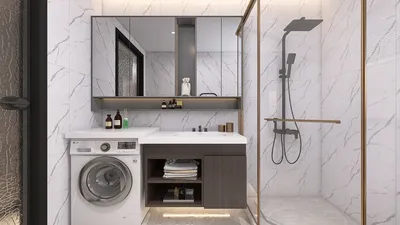


I had a client who requested a unique design for a bathroom shelf, demanding it be styled exclusively with sushi-inspired soaps — yes, complete with raw tuna! I eagerly accepted the challenge even before figuring out how to bring it to life. This bold design request taught me that using decorative soaps can easily transform a bathroom into a thoughtfully curated space. Recently, in a 3D bathroom renovation I completed, I employed sculptural soaps as standalone art pieces, and the instant feedback was remarkable: people truly noticed the design.
1. Transform soaps into miniature art on open shelving
I enjoy treating elegant soaps like fine ceramics; organizing them by size and allowing their shapes to create visual harmony on open shelving. This method provides visual interest without clutter; however, it does require regular rotation to combat dust and moisture. Using trays or shallow dishes can further protect the shelf. For a budget-friendly approach, incorporate a few artisanal bars alongside more affordable options for an elegant yet economical appearance.
save pin
2. Utilize glass cloches and trays for a museum feel
Encasing delicate or novelty soaps under a glass cloche not only enhances their perceived value but also keeps them dry between uses. This elevates the soap from mere utility to an object of display, although it makes that particular bar more ornamental than functional — so be prepared to replace it when you want to use it. Alternatively, a clear tray featuring a few bars is a cost-effective option that retains an air of sophistication.
save pin
3. Hang soaps to maximize counter space and add texture
In smaller bathrooms, I often hang braided soap ropes or loops on a hook near the vanity; it’s a practical, tactile embellishment that frees up the sink area. This idea works wonderfully for guest bathrooms or rustic designs, but keep in mind that some soaps may drip, necessitating a slatted holder below, so plan accordingly for compact bathroom layouts. For those curious about how these elements can complement an overarching design, check out the small-space layout I created that utilized vertical displays to conserve counter width.
save pin
4. Coordinate soap colors with towels and accessories
Aligning soap colors with towels or tiles is a straightforward strategy to create a cohesive look — select 2-3 shades and repeat them throughout the space. This approach is low risk with high impact, but be cautious of using too many patterns or colors as that can seem forced; I often favor muted tones with a single accent color to maintain a calm ambiance. This trick is applicable across budgets: even budget-friendly soaps can appear high-end when tastefully grouped.
save pin
5. Merge function and fragrance: showcase what you want to smell
Decorative soaps that double as fragrant accents are my go-to for guest bathrooms — opt for soaps with a distinct scent and place them where airflow or vents can carry the fragrance. The benefit is an immediate enhancement to the guest experience, but be mindful of scent sensitivities; provide unscented alternatives nearby for guests with allergies. In an instance of blending technology with design, I once utilized an AI-assisted model that suggested fragrance zones as part of a mini-plan, making the arrangement of sensory accents surprisingly straightforward.
save pin
FAQ
1. Are decorative soaps simply for aesthetics?
I utilize them both as visual features and practical items. For longevity, keep a few purely decorative bars sealed under glass cloches while regularly rotating functional ones for everyday use.
2. How can I prevent decorative soaps from melting or becoming soggy?
Ensure they are kept away from direct water streams, use well-draining containers, and allow used bars to dry between applications. In humid environments, storing extra soaps in airtight containers can help maintain their shape.
3. Can decorative soaps trigger allergic reactions?
Yes — scented or botanical soaps may irritate sensitive skin. It’s wise to provide an unscented, hypoallergenic option for guests and to review ingredient lists for known allergens.
4. What is the shelf life of decorative soaps?
Unopened artisanal soaps can remain effective for over a year if kept dry; exposure to humidity or water reduces their lifespan. Change out decorative pieces seasonally to keep displays looking fresh.
5. Is it appropriate to display soap on an open shelf?
Definitely — it creates a lived-in layered ambiance. Just protect the shelf with a tray and rotate items regularly to prevent moisture accumulation and dust gathering.
6. Where can I find reliable labeling advice for soap products?
For trustworthy guidance on cosmetic labeling and safety, visit the U.S. Food & Drug Administration (FDA): https://www.fda.gov, which details labeling expectations and ingredient regulations for soaps marketed under cosmetic claims.
7. Is it possible to create DIY decorative soap bars?
Absolutely, melt-and-pour kits are a simple way to craft unique shapes and scents, but it’s essential to test for skin sensitivities and adhere to safety guidelines for additives and colorants.
8. What soap displays are most effective in compact bathrooms?
Vertical displays, suspended soaps, and singular statement items on small trays help keep counters clear while adding character. Aim for three to five items instead of an overcrowded array — often, less is more in tighter spaces.
save pin
Looking to transform your home? Homestyler is your go-to online design platform! With its user-friendly design tool, stunning 3D renderings, and a treasure trove of DIY tutorials, you can effortlessly create and visualize your dream spaces. Start designing today!
Design Now for FREE
































