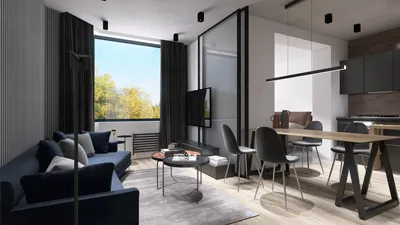


In my experience, there was a time when I attempted to persuade a client that a neon-pink floor in the bathroom would be considered 'bold and unforgettable.' While they ultimately declined, this incident taught me two crucial lessons: a beautifully painted floor can significantly elevate a small bathroom, and it’s essential to find a balance between creativity and practicality. For those looking to explore floor design options, Homestyler can be an excellent tool to visualize potential transformations.
1. Timeless checkerboard for immediate appeal
An elegant black-and-white checkerboard pattern can give a small bathroom a clear, graphic impact without breaking the bank. I’ve utilized stencils and applied two layers of epoxy paint directly onto concrete subfloors; it’s durable and easy to maintain. However, achieving precision is critical: any errors become evident, so it's wise to plan your grid accurately and invest in high-quality tape—taking your time will prevent future touch-ups.
save pin
2. Imitation tile designs using geometric stencils
If you aspire for the aesthetic of patterned tiles but have budget constraints, stencils can be quite advantageous. I have successfully replicated a Moroccan-inspired design in a rented powder room with robust acrylic floor paint—it withstood wear quite well when finished with a polyurethane sealer. Although stenciling can be labor-intensive, prepare for a weekend project, as some minor paint bleeding may occur unless you seal the edges meticulously.
save pin
3. Soft wash for a Scandinavian aesthetic
For a more subdued Scandinavian aesthetic, consider applying a diluted wash of color over a primed floor, allowing the texture to emerge. In one apartment, I executed this technique at the client’s request for warmth without a heavy design, resulting in a cozy yet modern atmosphere. While maintenance is straightforward, the finish can appear uneven if blending isn’t done swiftly, so working in sections is advisable.
save pin
4. Resilient epoxy for busy wet spaces
When waterproofing and durability are key considerations, epoxy coatings excel. I recommended an epoxy topcoat for a raised concrete slab in a family bathroom—it offered significant resistance to staining and moisture. However, preparing the surface meticulously and ensuring good ventilation during application is crucial, which may introduce additional costs and complexities.
save pin
5. Decorative border to delineate areas
Creating a painted accent border around a vanity or shower entryway can visually expand the space and introduce an element of finesse. This creative method is budget-friendly and reversible; I incorporated it to harmonize floor and wall colors in a compact en-suite, resulting in a mini renovation feel. Its subtlety may not satisfy those seeking a more dramatic effect.
save pin
Tips 1:
Practical advice: Always examine the substrate (be it concrete, plywood, or vinyl) before selecting paint; ensure your primer is compatible with the floor type; and opt for water-resistant and UV-stable finishes. If uncertain, it’s wise to mock up a small area first and observe it for a week.
save pin
Tips 2:
Budget considerations: Painting is often a more affordable option than retiling, but remember to include costs for sealers, preparation materials, and potential contractor expenses. For rental spaces, choose reversible solutions like painted borders or area rugs rather than permanent painted floors.
save pin
Tips 3:
Styling tip: Complement painted floors with matte fixtures and warm wooden vanities to achieve a balance with modern finishes. I frequently utilize Homestyler to sketch out several color schemes in a quick 3D mock-up to give clients an accurate depiction of the finished aesthetic before finalizing decisions.
save pin
FAQ
Q: Is it possible to paint over existing vinyl flooring? A: Yes, but it necessitates thorough cleaning, light sanding or etching, and using a primer tailored for slick surfaces; achieving proper adhesion is crucial.
Q: What type of paint is best suited for bathroom floors? A: Epoxy and high-grade enamel floor paints formulated for moisture and foot traffic are ideal; finish with a water-resistant polyurethane for added protection.
Q: After painting the floor, how long until I can use the bathroom? A: Most floor paints allow for light foot traffic within 24-48 hours, but complete chemical curing can extend to 7 days—always follow the manufacturer’s guidelines.
Q: Are painted floors safe in wet areas? A: With the correct primers, non-slip additives, and marine-grade coatings, painted floors can be made safe, but always ensure slip resistance is factored in for wet areas.
Q: Can painted floors peel? A: Peeling often results from inadequate preparation, improper primer choice, or moisture issues; ensure the substrate is dry and utilize compatible systems to avoid peeling.
Q: Is it feasible to create a patterned floor myself? A: Certainly—numerous homeowners have successfully stenciled their floors over a weekend; devote attention to layout, use high-quality tape, and apply a sealant once the paint has dried.
Q: Where can I discover examples of painted floor projects? A: Professional portfolios and case galleries are valuable resources—additionally, I sometimes reference online planners to preview layouts and finishes, including ones using Homestyler.
Q: Are there established guidelines on floor coatings? A: Yes—consult ASTM standards for floor coatings and the technical data sheets from manufacturers for specific curing times and prep instructions (for instance, Sherwin-Williams or PPG provide detailed bulletins).
save pin
Looking to transform your home? Homestyler is your go-to online design platform! With its user-friendly design tool, stunning 3D renderings, inspiring design projects, and helpful DIY video tutorials, you can effortlessly create and visualize your dream space. Start designing today!
تصميم الآن مجانا
































