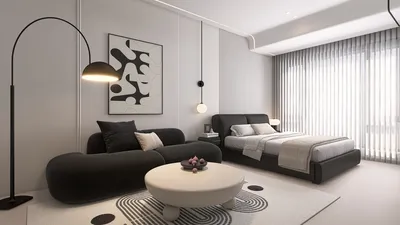


A few years back, a client approached me with an intriguing request: to design a basement kitchen that could also function as a karaoke bar. Initially, I thought it was a prank—until she revealed the neon lights she had already purchased. This experience taught me two vital lessons: basements can be incredibly versatile, and even small, concealed spaces can inspire the most outlandish ideas. Today, I’m excited to share 10 creative basement kitchen ideas that combine my personal design experiences and practical tips, showcasing how compact areas can foster immense creativity. If you’re embarking on a similar project, utilizing a dependable room planner like Homestyler early in the process will help you avoid numerous challenges later on.
1. Open Shelving to Maximize Space
Basements frequently come with lower ceilings, so opting for open shelving rather than larger cabinets can create a sense of height and openness. These shelves are ideal for showcasing glassware or cherished mugs; however, keep in mind that they require you to maintain order, as clutter can quickly become apparent.
2. Efficient Layout with Built-In Appliances
When working within limited space, opt for compact appliances like smaller refrigerators, under-counter ovens, and combination microwave-convection units. I once managed to fit a fully functional kitchen into a 6-foot wall by utilizing integrated appliances, much to the astonishment of the homeowners who were impressed with the storage we managed to incorporate.
3. Light Color Scheme for Illusion of Space
Soft colors such as cream, light gray, or gentle blue can significantly enhance light distribution, which is particularly crucial in basements that may not receive much natural light. While avoiding an all-white palette is advisable to prevent a sterile atmosphere, balancing with warm wood accents can provide a comforting touch.
4. Layered Lighting Solutions
Combine overhead recessed lighting with under-cabinet LED strips to create inviting illumination. I've also installed dimmable pendant lights over islands to easily transition the mood from cooking to entertaining. Utilizing a free space planning tool like Homestyler can be immensely helpful in visualizing your lighting arrangement before making any installations.
5. Multifunctional Island
If your basement offers sufficient space, consider introducing a small island that serves multiple purposes: preparation area, dining counter, and storage solution. Ensuring the proportions are appropriate is key—if it's too large, it can obstruct movement.
6. Moisture-Resistant Materials for Longevity
Basements may experience high humidity, making quartz countertops and moisture-resistant cabinetry much more durable than traditional wood-based alternatives prone to warping. I once had to replace an entire set of lower cabinets in a client’s basement due to moisture damage from subpar materials.
7. Built-In Bench Seating
Instead of using individual chairs, think about installing a built-in bench along one wall, complete with storage underneath. This not only conserves space but also adds a cozy feel while keeping the floor area clear—ideal for tighter spots.
8. Prioritize Ventilation
Ensuring good air circulation in basement kitchens is essential to prevent lingering odors. Investing in a strong, yet quiet range hood, properly connected to ductwork, is a wise decision. It's a detail that many regret not prioritizing.
9. Eye-Catching Backsplash
Since basements may lack natural light, I enjoy incorporating striking backsplashes: reflective subway tiles or glossy mosaics can enhance the limited light available. Coupled with task lighting, it can dramatically elevate the cooking area. To explore various patterns beforehand, using a kitchen layout planner like Homestyler offers a fantastic virtual experience.
10. Concealed Wine or Beverage Fridge
A compact beverage fridge discreetly placed under the counter adds a touch of sophistication without occupying too much space. Ensure that the unit you select is designed for cooler basement temperatures to prevent motor strain.
FAQ
1. Can I install a full kitchen in my basement? Yes, but make sure to adhere to local building codes regarding plumbing, ventilation, and electrical systems.
2. How can I manage the lack of natural light? Implement layered lighting, utilize reflective surfaces, and choose lighter finishes to brighten the space.
3. What flooring is optimal for a basement kitchen? Vinyl plank or porcelain tile are both excellent choices due to their water resistance and durability in high-traffic areas.
4. Are special permits required for a basement kitchen? Most regions require permits. Consult your local permit authority before commencing significant work (source: International Residential Code).
5. How can I maintain dryness in my basement kitchen? Use a dehumidifier and select moisture-resistant materials for cabinets and flooring.
6. Is an island feasible in a small basement kitchen? Yes, but select a narrow island or a peninsula design to facilitate ease of movement.
7. What is the typical cost for adding a basement kitchen? Depending on materials and utilities, anticipate costs ranging between $10,000 and $30,000.
8. Can I take charge of my basement kitchen design myself? You can manage layout planning and finishing touches on your own, but ensure that plumbing and electrical work is handled by licensed professionals.
Homestyler is your go-to online home design platform that makes creativity easy and fun. With its user-friendly design tool, stunning 3D renderings, diverse design projects, and helpful video tutorials, you can effortlessly transform your home into a beautiful space, regardless of your experience level!
Concevez maintenant gratuitement
































