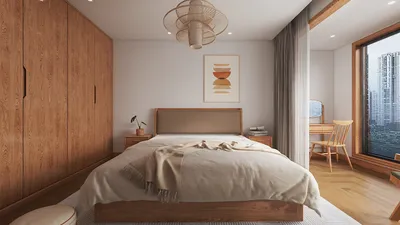


I once nearly integrated a full-length mirror into the most acute angle of an attic space because the client desired symmetry — spoiler alert: the mirror appeared to melt. This minor fiasco taught me to appreciate slopes and design around them rather than confronting them directly. When I embark on such projects, I typically start by sketching a rough plan — at times, I also reference a 3D layout case study, like those created in Homestyler, to evaluate sightlines, which ultimately helps me avoid costly errors down the line.
1. Transform the Lowest Edge into Inviting Seating
Sloped ceilings naturally lend themselves to coziness, which is why I frequently design a built-in bench or window seat beneath the lowest point. It instantly creates a warm atmosphere, provides a perfect reading nook, and can cleverly conceal drawers or pull-out storage underneath.
The benefit is both comfort and storage in one solution; however, precision with head clearance is essential — I always verify the seated height before going forward with any plans.
save pin
2. Employ Vertical Elements to Enhance Perceived Height
Vertical stripes, tall headboards that don’t reach the slope, or slim floor lamps can trick the eye into perceiving greater height than is actual. Once, I incorporated a floor-to-ceiling curtain along the tallest wall, which magically made a tiny attic room feel more spacious.
This inexpensive visual trick can work wonders; however, heavier fabrics might limit natural light, so opt for translucent materials if brightness is a priority.
save pin
3. Built-ins Designed with the Slope in Mind
My preferred solution is custom cabinetry that adheres to the angle: low drawers near the ground and open shelving positioned higher up ensure accessibility without sacrificing headroom. For challenging corners, I sketch a staggered cabinet layout, ensuring the space feels open and purposeful.
The storage wins are significant here; if you're seeking inspiration, I often guide clients to smart storage solutions that spark similar staggered ideas.
save pin
4. Layered Lighting — Both Low and High
Slanted ceilings require a thoughtful approach to lighting: employ wall sconces and under-shelf LED strips for the lower areas, alongside a pendant or track lighting for the taller sections. I particularly enjoy dimmable LEDs, which allow you to adjust the ambiance. However, a pendant hung too low can cause issues, so centering fixtures on the slope is a practice I avoid.
A pro tip gleaned from experience: focus task lighting where you'll be sitting or dressing, as opposed to the geometric center of the room.
save pin
5. Make the Bed a Focal Point, Not a Compromise
Position the bed where you enjoy the most usable headroom, opting for a low-profile bed frame if the slope is steep. Loft beds or raised platforms can transform awkward vertical space into storage or a workspace beneath — while a bit pricier, it's brilliantly effective for compact areas.
For those interested in innovative layout ideas, I've utilized AI design tools, like Homestyler, to quickly evaluate bed placements prior to constructing; although it cannot replace a carefully measured plan, it accelerates the idea-generation phase.
save pin
Tips 1:
A quick reminder: always measure the highest and lowest points at various locations around the room before purchasing any furniture — slopes can be misleading. I also carry a tape measure and a sturdy foam sample for on-site mockups.
save pin
FAQ
Q1: What bed height is ideal for a sloped ceiling?
A1: Opt for a low-profile bed or a platform that provides at least 24–30 inches of clearance above the mattress on the sloped side. If uncertain, you can test with stacked cushions to gauge headroom.
Q2: How can I create a more spacious feel in a sloped ceiling room?
A2: Utilize light, continuous colors on walls and ceilings, incorporate vertical accents on the tallest wall, and implement layered lighting to enhance the sense of volume. Additionally, strategically placed mirrors opposite windows can help reflect light.
Q3: Are built-ins a costly option for sloped rooms?
A3: Custom built-ins may require a higher initial investment compared to standalone furniture, but they optimize usable space and can save money over time by reducing returns or inefficient areas. I recommend allocating budget for quality in necessary structural storage aspects.
Q4: Is it feasible to install a pendant light on a sloped ceiling?
A4: Absolutely — utilize an angled canopy or adjustable rod to ensure the fixture hangs properly. Just be cautious not to center bulky pendants where headroom is limited; pendants are most effective on the taller side of the room.
Q5: What strategies can I employ for ventilation and insulation in attic bedrooms?
A5: Adequate insulation and ventilation are vital to prevent moisture and temperature fluctuations. The U.S. Department of Energy offers straightforward guidance: sealing air leaks and adding insulation in attic environments enhances comfort and energy efficiency (see energy.gov).
Q6: What paint finish is optimal for sloped ceilings?
A6: A matte or eggshell finish minimizes glare and conceals imperfections on sloped surfaces, while satin can be used sparingly for trim. I usually suggest painting the ceiling in the same light shade as the walls for cohesive flow.
Q7: What are safety guidelines for loft beds under sloped ceilings?
A7: Ensure that guardrails comply with local safety standards and that access is available via a stable ladder or staircase. Keep the surrounding area clear of low-hanging fixtures and maintain a minimum of two feet of headroom for seated individuals.
Q8: Where can I discover layout inspiration for my sloped bedroom?
A8: Explore project galleries and case studies demonstrating solutions for sloped rooms; viewing real-life examples facilitates setting realistic expectations. When preparing clients, I frequently gather three inspirational photos and draft how their space could adapt similar concepts.
save pin
Homestyler is your go-to online home design platform! With an easy-to-use design tool, stunning 3D renderings, and a wealth of inspiring design projects and DIY video tutorials, transforming your space has never been simpler or more enjoyable. Bring your vision to life today!
Design Now for FREE
































