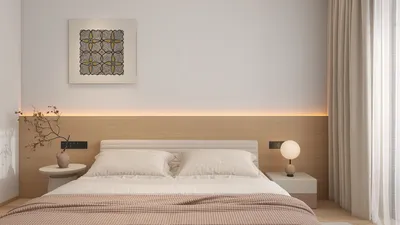


In a past project, I made the mistake of installing an ambient lighting strip upside down in a client’s living room. The result? A ceiling that resembled a glowing fish tank! This taught me a valuable lesson: even straightforward lighting choices can dramatically alter a room's feel. Working with limited spaces challenges you to think creatively; the height, corners, and sightlines become your canvas. In this article, I’ll highlight five ambient lighting ideas that have both saved me and occasionally caused a little embarrassment during projects, along with quick tips you can implement tonight using tools like Homestyler for planning.
1. Cove lighting for an elevated ceiling effect
Installing cove LED strips within a recessed perimeter can visually lift the ceiling while bathing the room in soft, even illumination. This approach is particularly fantastic for low ceilings, as it generates an impression of height without any glare. Besides being energy-efficient, it's also easily adjustable, although you'll need to factor in the recess during minor ceiling adjustments and ensure the drywall is even.
save pin
2. Wall-washed sconces for broader narrow rooms
Using up-lighting sconces that wash the walls can introduce depth, making a tight living area feel significantly larger. I implemented this in a 9-foot-wide apartment, and the space felt nearly double its size. However, it's crucial to choose finishes and diffusers carefully—low-quality fixtures may create hot spots instead of delivering a smooth wash of light.
save pin
3. Layered floor and table lamps for adaptable ambiance
By mixing a warm-toned floor lamp with smaller tabletop lamps, you can quickly adjust the mood for various occasions—whether it’s cozy reading, lively gatherings, or movie nights. I suggest selecting bulbs with a CRI of 90+ for the best color rendering; simply changing bulb types can have a huge impact on a flat-feeling room. The downside is more lamps lead to more cords and occasional rearranging of furniture.
save pin
4. Subtle drama with accent LEDs behind furniture
Incorporating RGB or warm white LEDs behind a sofa, TV console, or shelving creates an elegant backdrop that enhances the atmosphere without dominating it. I placed warm white LEDs behind a floating credenza, giving the living area a curated, sophisticated feel. Ensure you position the lights for indirect illumination; otherwise, it can appear as cheap colored lighting.
save pin
5. Smart dimming capabilities for effective small-space control
Smart switches and bulbs enable you to set up scenes such as bright for cleaning, dimmed for dining, and ultra-warm for late-night relaxation. I recently configured a client’s 400 sq ft living room with three distinct lighting scenes, and they've loved the convenience—just a press of a button. The only downside is the initial setup and compatibility checks, but the convenience it offers afterward is well worth it.
save pin
Tips 1:
A handy practical tip: be sure to measure ceiling heights and check for joists before installing recessed cove channels. I frequently use a room planner like Homestyler to visualize layout and light positioning without any physical alterations.
save pin
Tips 2:
An additional budget-friendly suggestion is to replace cool bulbs with warm 2700K LEDs and incorporate dimmers; the transformation can be both striking and cost-effective. When designing around artwork or textiles, opting for a higher CRI bulb helps maintain color accuracy.
save pin
Tips 3:
If you find it difficult to gauge scale, sketching out a simple floor plan and utilizing a free online floor plan tool can help you better understand how fixtures relate to seating and traffic flow. This approach can save time and avert the frustration of awkward placements, like a lamp in the path.
save pin
FAQ
Q: What is the ideal color temperature for ambient lighting in a living room?
A: I typically recommend a color temperature between 2700K and 3000K for a warm, inviting ambiance. A 3000K hue is slightly brighter but still maintains a cozy feel.
Q: How many lumens are necessary for effective ambient lighting in a small living room?
A: For a typical small living room, aim for a total of 1,000 to 2,000 lumens for ambient lighting, layering it with task and accent lights for greater flexibility.
Q: Should LED ambient lights be used with dimmers?
A: Absolutely—dimmers enhance control and adaptability; just make sure the bulbs are compatible with dimming functionalities.
Q: Is it possible to minimize the need for overhead fixtures with ambient lighting?
A: In many compact spaces, strategically planned ambient lighting can effectively reduce the reliance on harsh overhead fixtures, creating a more inviting environment.
Q: Are smart lighting systems a worthwhile investment?
A: If you prioritize ease of use and scene management, smart lighting solutions are highly beneficial; the main considerations include initial costs and setup efforts.
Q: How can glare from ambient fixtures be minimized?
A: Utilize indirect light sources such as cove lighting, wall washes, or concealed LEDs with diffusers; ensuring fixtures are placed out of direct sightlines will also help.
Q: Where can I find reliable information on lighting standards and measurements?
A: The Illuminating Engineering Society (IES) is an excellent resource for authoritative lighting standards and guidelines (https://www.ies.org).
Q: Can I find tools to visualize ambient lighting arrangements quickly?
A: Yes! Consider using a 3D floor planner to experiment with fixture layouts and simulate lighting effects prior to purchasing any products.
save pin
Looking to transform your space? Homestyler is the ultimate online home design platform! With its user-friendly design tool, stunning 3D renderings, and helpful DIY video tutorials, you'll easily create your dream interior. Dive into endless design projects and unleash your creativity today!
Design Now for FREE
































