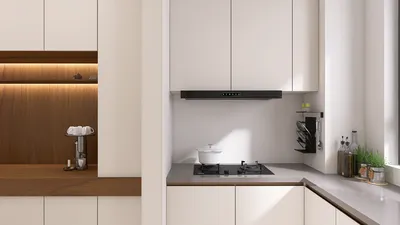


I once almost transformed a hallway into a circus due to a client's desire for a tiny wall with a "big personality"—envision neon stripes and a juggling elephant. I refrained from such extremes and discovered that compact spaces can inspire the most creative acrylic wall painting concepts. When clients want to visualize their ideas before applying paint, I often advise them to consider small layouts to ensure the scale and sightlines are accurate right from the beginning.
1. A Striking Mural in a Serene Space
I adore the concept of a single, large mural painted in acrylic on one wall. It creates drama in the room without consuming valuable square footage, making it ideal for a living room or an entrance wall. The benefit is an immediate wow-factor, but the challenge lies in the scale: if the mural is too large, it can feel overwhelming, and if it’s too small, it may resemble just a minor decoration. Pro tip: sketch a quick draft on paper and outline the mural area on the wall with tape before mixing your paint.
save pin
2. Vertical Stripes to Enhance Ceiling Heights
Vertical acrylic stripes are my favorite solution for clients who feel their ceilings are too low. Slim, tonal stripes elongate the space and add texture without infringing on floor area. This method is cost-effective and easy to execute with painters’ tape; however, achieving crisp lines requires patience and a steady hand. I sometimes suggest using semi-gloss acrylics for easy cleaning in busy areas.
save pin
3. Artistic Kitchen Splashbacks
Compact kitchens are an excellent canvas for acrylic creativity—consider a painted splashback or a small gallery wall above a breakfast nook. Using vibrant colors behind open shelves can make utensils and ceramics visually pop. If you're reconsidering the layout simultaneously, combining painting with careful planning can be beneficial; clients often find 3D kitchen layout ideas particularly helpful for determining the best location for a painted section. Drawbacks: remember to protect surfaces from grease and wash gently to keep the paint looking fresh.
save pin
4. Trompe-l’œil Elements for an Illusion of Depth
A clever trick I use in smaller bedrooms is to paint a trompe-l’œil window or bookshelf in acrylic to create an illusion of depth. This subtle approach is budget-friendly and frequently turns into the room's most ingenious feature. Precision is crucial here—mistakes in perspective are easily noticeable—so I tend to start with a careful sketch and blocking out large shapes before detailing them.
save pin
5. Patchwork Color Zones for Versatile Spaces
In a multifunctional studio that serves as a bedroom, office, and entertaining area, I recommend using acrylic color-block zones on one wall to demarcate different functions without physical separations. This approach is flexible, and painting over one section is more economical than redoing the entire room. To help clients visualize, I use digital renderings so they can see how the colors interact from various perspectives. The challenge is to select a cohesive palette that unifies the blocks, or else the space may appear disjointed.
save pin
FAQ
Q1: What types of acrylic paint work best for indoor walls?
It's advisable to use high-quality interior acrylic latex or specific acrylic wall paints crafted for indoor use; these dry quickly, resist yellowing, and clean easily. Satin or eggshell finishes are forgiving on walls, while semi-gloss works well in areas that require frequent cleaning.
Q2: How should I prepare a wall for acrylic painting?
Start by cleaning the surface, filling any holes, sanding it smooth, and applying a primer appropriate for your wall type. Proper preparation prevents peeling and ensures colors appear true once dried.
Q3: Are acrylic wall paintings durable in kitchens and bathrooms?
Acrylic paints can be durable if you choose a washable finish and seal with a clear varnish in high-moisture areas. Avoid direct contact with water and consider recoating the varnish every few years if necessary.
Q4: Can I paint directly over wallpaper?
You can, but I generally recommend removing the wallpaper or sealing it with a heavy primer first—otherwise, moisture and adherence problems may lead to bubbling or peeling over time.
Q5: How much should I budget for a small acrylic mural?
Costs can vary significantly: a simple geometric mural on a small wall can be DIY completed for under $200, while a custom-painted scene by a professional can range from several hundred to a few thousand dollars based on detail and size. Always remember to include costs for primer, paint, protective finishes, and labor.
Q6: What’s the best way to choose colors for a compact room?
I suggest testing color samples at various times of the day and viewing them both closely and from the main entrance. Light shades can make a space feel larger, while rich accents provide personality in moderation.
Q7: Are acrylic paints safe for indoor use regarding fumes?
Many modern acrylic wall paints have low VOCs, but it’s best to check the label. According to the U.S. Environmental Protection Agency (EPA), selecting low-VOC paints can help diminish indoor air pollution and related health risks (EPA: https://www.epa.gov/).
Q8: How can I preview a painted design before making a commitment?
Create small mockups on poster board or utilize digital previews to assess scale and color choices; I often suggest simple 3D models or layout previews to observe how lighting and perspectives affect the overall look.
save pin
Homestyler is the ultimate online home design platform for anyone looking to transform their space. With its user-friendly design tool, stunning 3D renderings, and a wealth of inspiring design projects and DIY video tutorials, bringing your home vision to life has never been easier!
Design jetzt kostenlos
































