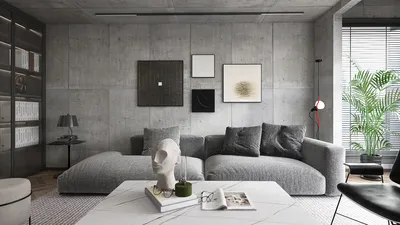


I once arrived at a client's cozy studio with a large rolled-up gradient mural, only to discover I had mistakenly painted the wrong wall the previous night. We both had a good laugh, and I learned to create quick mockups for room visualization to prevent such blunders in the future. Although small spaces can be intimidatingly candid, they also encourage bold and intelligent design choices.
1. Solid-color focal wall in satin finish
My preferred strategy is to choose a single deep hue—like navy, forest green, or charcoal—and paint one wall with a satin finish. This technique adds depth without glare and is economical, ages beautifully, and makes your furniture stand out. Just remember to test for color undertones in different lighting conditions.
save pin
2. Diagonal two-tone split
Creating a diagonal split can energize a small space. I suggest painting the upper triangle in a lighter shade to visually elevate the ceiling; careful taping is essential and may require additional effort. This fun option can appear luxurious if thoughtfully chosen colors are used.
save pin
3. Vertical stripes for enhanced height
Slim vertical stripes can visually elongate the space, a trick I often apply in narrow hallways or children’s areas. When planning, utilize a free room visualization tool or printout to determine the exact width of stripes to ensure a harmonious look. The challenge lies in achieving perfect tape lines, as uneven stripes can come off as errors rather than intentional design.
save pin
4. Textured paint or plaster accent
Incorporating a limewash or Venetian plaster texture adds tactile interest to a single wall without making the area feel cluttered. I've implemented this technique with removable panels suitable for rentals: it offers a luxurious aesthetic, but be prepared for higher material costs and consider hiring a professional for optimal application.
save pin
5. Framed mural area for functional spaces
Rather than painting a whole wall, consider crafting a framed mural area behind a bed or kitchen stove to serve as a focal point—for example, a painted headboard or a decorative backsplash area. This method pairs wonderfully with thoughtful planning using tools like a kitchen layout planner. It’s striking and highly functional, but bear in mind maintenance needs near heat and splatter zones.
save pin
FAQ
Q: What colors create the illusion of a larger space?
A: Light and warm neutrals, along with soft pastels, reflect more light and lend an airy quality to a room. Pair these shades with slightly darker accents to create depth without making the space feel cramped.
Q: Is gloss paint more suitable for accent walls?
A: While gloss paints can introduce drama and are easy to clean, they tend to accentuate imperfections. Satin finishes usually strike the right balance between sheen and a more forgiving appearance.
Q: How do I choose the ideal wall for an accent?
A: Select the wall that naturally attracts the eye, such as the one behind the bed, sofa, or main entrance, and steer clear of walls cluttered with doors or windows. Observe the room at different times to assess the effect of light.
Q: Can wallpaper substitute for paint?
A: Certainly! Wallpaper can quickly introduce pattern and texture. Removable options are perfect for renters, and printed murals can replicate painted art with minimal mess.
Q: How much paint is required?
A: Measure the wall’s surface area (height × width) and subtract for windows and doors; then, refer to the paint can for coverage details. For exact calculations, consult product specifications or use a professional calculator.
Q: Any advice for avoiding painting errors?
A: Always prime the surface, experiment with test swatches under various lighting, and utilize high-quality tape. Using mockups and small test panels can save valuable time and frustration—believe me, it works!
Q: Are there health concerns with paint fumes?
A: Yes, opt for low-VOC or zero-VOC paints in living areas and ensure good ventilation during and after the painting process. For more information on VOCs, refer to the guidelines provided by the U.S. Environmental Protection Agency (EPA).
Q: Is it better to plan accents myself or hire a professional?
A: Many DIY-friendly projects can be effectively tackled by homeowners who are confident in their preparation and taping skills. For intricate textures or murals, hiring a professional is likely to save you time and guarantee quality results. If you're eager to visualize layouts beforehand, a room visualization application like Homestyler can be incredibly helpful—however, simpler ideas are often feasible to execute on your own.
save pin
Homestyler is an outstanding online home design platform perfect for anyone looking to transform their space. With its user-friendly design tool, stunning 3D renderings, a variety of design projects, and helpful video tutorials, you can easily create and visualize your dream home with confidence!
Zaprojektuj teraz za darmo
































