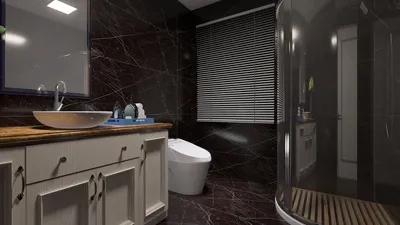


In my early days, I painted what I envisioned as a stylish navy accent wall, but one client was overwhelmed and ended up in tears because it made their small room feel claustrophobic. That was a tough lesson! Now, I utilize a visual room planner called Homestyler to map out ideas beforehand, allowing us to experiment with both scale and color prior to any painting. Designing accent walls in limited spaces ignites creativity, making the process enjoyable.
1. Dramatic Half-Wall with a Bright Top Half
This technique is perfect for clients desiring drama without compromising space. By painting the lower section a bold hue and keeping the upper half light, you anchor the bed while maintaining a sense of spaciousness. It's cost-effective and can easily be repainted, though precision in matching the line perfectly requires a steady hand or a reliable level.
save pin
2. Textured Plaster Band Behind the Bed
I once used Venetian plaster arranged in a narrow vertical band for a couple living in a studio apartment—it created a subtle sheen and depth. This texture can camouflage minor wall flaws while offering a luxurious touch on a budget. However, it is more costly than paint and should ideally be applied by a professional.
save pin
3. Large Geometric Decals Area
For those with tight budgets and schedules, oversized decals or peel-and-stick murals provide immediate visual impact and can be easily replaced. I often simulate these as large shapes on the headboard wall and utilize the Homestyler app to create 3D previews, allowing clients to grasp the scale firsthand. While decals can be forgiving, lower-quality vinyl may peel in humid conditions.
save pin
4. Gallery Rail with Changeable Art
Install a slender rail and display an ever-changing array of frames, textiles, and shelving that can transform the ambiance seasonally. This idea suits renters or those who enjoy frequent changes; however, it does require attention, as poorly chosen frames or clutter can quickly diminish the desired effect.
save pin
5. Subtle Patterned Vertical Wallpaper Stripe
A vertical strip of patterned wallpaper behind the bed introduces height and character without overwhelming the entire room. I like to combine a patterned stripe with tranquil paint on the surrounding walls, allowing the wallpaper to serve as a feature while not demanding too much attention. For those who may hesitate, considering AI home design tools like Homestyler can allow for the preview of patterns—remember, once wallpaper is applied, it’s not reversible, so testing samples is essential.
save pin
FAQ
Q1: What is the ideal color for a small bedroom accent wall?
Opt for a medium-toned accent hue that harmonizes with the room's lighting; overly dark can create a constricted feel, while excessively bright may cause discomfort. Test numerous broad swatches throughout various times of the day before finalizing your choice.
Q2: Do accent walls influence sleep quality?
Certainly—calm, cooler shades such as soft blues and greens generally promote relaxation, whereas vivid and highly saturated colors can be energizing. According to the National Sleep Foundation, bedroom ambiance, including color and lighting, plays a crucial role in sleep quality (https://www.sleepfoundation.org/bedroom-environment).
Q3: Is wallpaper unfavorable for renters?
Not at all! Removable wallpaper or peel-and-stick options are renter-friendly and provide significant visual appeal without permanent alterations. Just double-check your leasing agreements before applying anything that may have strong adhesives.
Q4: How can I determine the right texture for an accent wall?
Align your texture choice with the room's style: plaster or limewash suits old-world or minimalist aesthetics, reclaimed wood evokes rustic appeal, while simple paint works for modern simplicity. Consider upkeep; textured finishes can be more challenging to clean.
Q5: How high should the accent wall be?
Typically, accent walls extend from floor to ceiling behind the bed for a cohesive look, but lower half-walls or vertical stripes can enhance perceived height. Your decision should depend on ceiling stature, bed proportions, and the visual weight desired.
Q6: Is it possible to mix patterns on an accent wall?
Absolutely—pairing a patterned accent with solid colors in other areas can create balance within the room. Always keep scale in mind: larger patterns are suited for expansive walls, while smaller florals appear better in limited doses.
Q7: What are affordable options for creating an accent wall?
Techniques such as painting, stenciling, peel-and-stick decals, or a single wallpaper strip are budget-conscious. I frequently suggest sample pots and DIY stencils for clients interested in making a big impact without big expenses.
Q8: How can I visualize my accent wall prior to purchasing materials?
Creating sketches, mood boards, and digital renderings is incredibly helpful. For those inclined towards technology, many designers utilize online room planners like Homestyler to visualize decisions before making any purchases. This approach helps save time, reduces costs, and alleviates the pain of paint-related regrets.
Discover the ease of home design with Homestyler! This user-friendly online platform offers a powerful design tool, stunning 3D renderings, and a wealth of inspiring design projects and video tutorials. Transform your space effortlessly, whether you’re a beginner or a seasoned DIYer!
Design Now for FREE
































