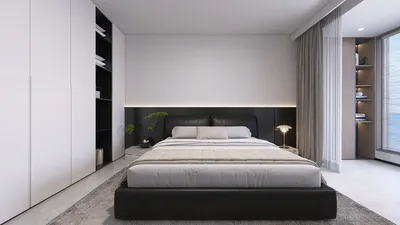


In an attempt to impress a client, I once painted a massive abstract swirl on a studio wall, only to discover afterward that it made the space resemble a circus tent. That experience taught me the importance of using visual mockups to test scale before diving into paint applications. In smaller areas, clever design choices are essential: embracing the adage "less is more" can allow a well-placed abstract to create an illusion of vastness.
In this article, I'll outline five creative painted abstract wall ideas that I frequently implement in compact urban residences. These strategies are practical, budget-conscious, and draw upon over ten years of renovation experience. Let’s transform that narrow wall into a striking design element using tools like Homestyler for better visualization.
1. Fragmented Color Blocks
I enjoy dividing a wall into large, abstract color blocks—imagine geometric forms with imperfect edges. This method is forgiving for those with unsteady painting skills, as you can use tape to define simple shapes easily for cleaner outcomes.
Benefit: establishes a rhythm without overwhelming patterns. Challenge: selecting a color palette that looks cohesive in dim lighting; I usually test colors on foam core to gauge their impact before committing to painting.
save pin
2. Soft Gradient Band
A horizontal ombré effect subtly expands a wall's appearance, making it ideal for narrower rooms. By mixing a base color and gradually introducing white or a tint, I create three to four bands that seamlessly blend together.
Advantages: sophisticated, soothing, and conceals minor surface flaws. Drawback: achieving smooth blending requires patience—using a long-haired roller and gentle strokes ensures a seamless transition.
save pin
3. Minimal Line Art Accent
Thin, hand-painted lines or minimalist continuous line drawings can bring a contemporary touch without overwhelming the space. This is my go-to solution when clients desire artistic flair but want to avoid clutter.
Tip: position this near furniture or a shelf so the lines interact organically with nearby items. If you’re decorating a kitchen, consider an accent wall behind cabinets using washable eggshell paint for easy cleaning post-cooking.
save pin
4. Textured Brushstrokes
Using textured brushes or stippling techniques can make abstract painting feel more tactile. Sometimes, I mix a small amount of sand into the paint for a light, durable texture that photographs beautifully.
Budget Insight: textured finishes can convey a high-end look without costly materials, though they may be challenging to repaint later. I always inform clients about potential maintenance before we proceed.
save pin
5. Scale Play with Focal Motif
Choose one oversized abstract motif—like a painted moon or asymmetrical arc—and let the negative space contribute to the overall design. This approach creates a clear focal point without overwhelming a small area.
It’s a playful method that offers remarkable versatility; you can align it with furniture shapes to accentuate scale or incorporate lighting to enhance depth. Occasionally, I combine this technique with AI-generated concept sketches via Homestyler to experiment with forms and layouts, often unveiling an unexpected focal point you hadn’t considered before.
save pin
FAQ
Q1: What type of paints are best for creating abstract walls?
I recommend high-quality acrylic latex paints for most interior applications—satin or eggshell finishes provide a great balance of washability and subtle shine. For textured or highlighted areas, durable eggshell paint is advisable as it cleans easily.
Q2: How do I choose colors for a compact area?
I start by evaluating the room's natural light and existing shades; cooler tones recede whereas warmer hues advance. I typically test 3 to 4 color swatches on the wall at various times of the day to make the best selection.
Q3: Is it possible to create a DIY abstract mural if I have limited skills?
Definitely—begin by using masking tape for geometrical shapes or large brushes for expressive strokes. Practicing on cardboard panels allows you to fine-tune scale without risking the actual wall.
Q4: What budget should I allocate for my project?
Costs can range from a minimal amount for DIY paint and tape to several hundred dollars if hiring a professional. Usually, these small abstract wall projects are cost-effective and offer impressive visual returns.
Q5: Will painted abstract walls impact property resale value?
Tasteful, modern abstracts usually enhance character and help buyers recall a property; however, very bold or personalized murals may require repainting. I suggest using more neutral tones if you intend to sell soon.
Q6: How do I care for painted abstract walls?
Opt for washable finishes and clean them with mild soap and water, steering clear of abrasive cleaners. Gently dust and spot-clean textured surfaces to maintain their appearance.
Q7: Are there health risks associated with paint fumes?
Indeed—choose low-VOC or zero-VOC paints and ensure good ventilation during application. According to the U.S. Environmental Protection Agency, these paints can help minimize indoor air pollution and enhance air quality.
Q8: What factors should I consider regarding placement and scale for an abstract piece?
Measure sight lines and furniture placement initially; in small spaces, keep motifs off-center to foster a sense of movement. I always create rough mockups on paper or with tape outlines at eye level to prevent scale errors.
save pin
Discover your inner designer with Homestyler! This user-friendly online platform offers an intuitive design tool, stunning 3D renderings, and a wealth of DIY video tutorials. Whether you're a beginner or an experienced decorator, Homestyler makes it easy to create your dream space. Start designing today!
Design Now for FREE
































