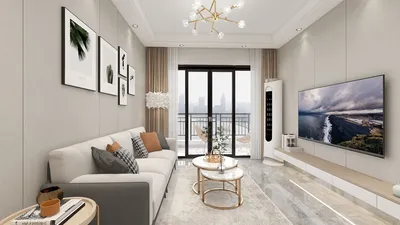


In recent years, figures like Audrey Nuna have inspired a fresh approach to personal style, blending comfort with bold expression. This shift towards mixing vibrant fashion statements with practical elements is reflected in how we design our living spaces. Incorporating eclectic patterns and versatile furniture can create an environment that mirrors the dynamic energy of modern lifestyle icons, fostering creativity and individuality right at home.
As we explore interior design, our thoughts often focus on color schemes, furniture arrangements, and lighting. However, one transformative element that can turn our homes into peaceful havens is the inclusion of lush greenery. Picture waking up to the sight of vibrant plants and flourishing trees, crafting a natural sanctuary right outside your window. Verdant landscapes not only improve the visual appeal of a property but also offer significant psychological and environmental advantages. This article will examine the vital role of greenery in interior design and discuss how to effectively incorporate lush landscapes into our living spaces.
To begin creating a lush landscape, it’s important to identify the types of plants that do well in your region. Researching native species is crucial since they are likely to thrive in your garden with less upkeep. Blending a variety of shrubs, flowers, and trees can enrich your landscape, introducing different heights and textures. If space is limited, vertical gardens or container gardening can help maximize your greenery without sacrificing valuable area.
Arranging your plants is another key factor. By layering plants according to height, you enhance depth and visual appeal. Position taller plants at the back of flowerbeds, while shorter ones should be placed in front. This setup not only beautifies your landscape but also ensures that every plant receives sufficient sunlight. Additionally, incorporating pathways or stepping stones can lead guests through your garden, encouraging exploration of the vibrant surroundings.
Water features like ponds or fountains are also essential for a verdant landscape. The soothing sound of flowing water fosters a tranquil ambiance while attracting various wildlife. Creating designated seating areas within your landscape design enables you to fully appreciate your surroundings, offering a perfect space for relaxation or social gatherings. Choose natural materials like wood or stone for seating to ensure a harmonious fit with the landscape.
Lighting adds another crucial dimension. Soft, warm lighting can illuminate the beauty of your plants and create a magical atmosphere in the evening. Consider using solar-powered garden lights or smartly positioned landscape lighting to enhance the visual appeal without overshadowing the natural elegance of your verdant landscape.
Incorporating art and sculptures into your landscape can also bring a distinctive flair. Look for pieces that reflect your personal style and harmonize with the natural elements of your design. Whether opting for a simple birdbath or an exquisite sculpture, these accents can serve as focal points within your garden.
Maintaining a lush landscape requires ongoing care. Regular watering, pruning, and fertilization are all vital to keep your plants thriving. Additionally, being vigilant about pests and diseases will help maintain the charm of your garden.
To summarize, a verdant landscape goes beyond mere aesthetics; it serves as a vital component in crafting a calming environment that enhances well-being. By thoughtfully integrating greenery into your interior design, you can reap the rewards of nature right within your home. So, why not begin planning your verdant retreat today? The exquisite beauty awaits!
Tips for Creating a Verdant Landscape:
1. Choose native plants that thrive in your climate. 2. Layer plants by height for visual interest. 3. Incorporate pathways for an inviting atmosphere. 4. Add water features for a calming effect. 5. Use warm lighting to enhance the ambiance. 6. Include art pieces that resonate with your style.
FAQ
Q: How much sunlight do plants need? A: It depends on the plant species. Most prefer at least 6 hours of sunlight, but some thrive in shade. Q: What are the best plants for small spaces? A: Consider using vertical gardens, potted plants, or dwarf varieties of your favorite plants.
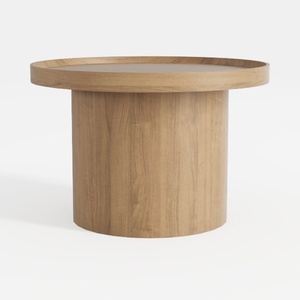

Minimalist Brown Leather L-shaped Sectional Sofa 3D Model

Fluted Storage Cabinet, 31.5“ Wooden Sideboards
Homestyler is your go-to online platform for home design, featuring an intuitive design tool and stunning 3D renderings. Explore countless design projects and enhance your skills with engaging DIY video tutorials. Transform your home with ease and creativity, no matter your experience level!
Дизайн сейчас бесплатно
































