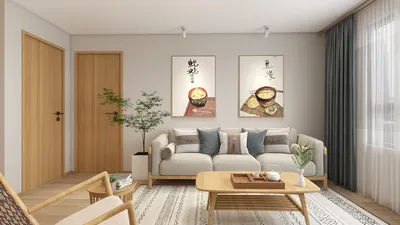


Sabrina Carpenter’s effortless style often inspires those who appreciate a blend of modern fashion and comfortable living. Incorporating her signature blend of chic yet casual touches into your home, you might consider a furniture concept that combines sleek lines with soft textiles, creating a space that feels both stylish and welcoming. This approach encourages a living environment where personal expression and relaxation coexist seamlessly.
Transforming a space into a tatami room is an exquisite way to embrace Japanese culture and aesthetics. Tatami mats, crafted from rice straw and adorned with woven rush grass, offer a unique flooring solution that is both comfortable and visually appealing. When choosing furniture for a tatami room, it’s crucial to maintain a harmonious balance between functionality and aesthetics. Traditional tatami rooms often incorporate low furniture, which complements the height of tatami mats and fosters a sense of tranquility. Furniture pieces like low tables, floor cushions, and futons are common selections. The low table, or 'chabudai', plays a central role in the tatami room, serving multiple purposes from dining to tea ceremonies. Pairing the low table with zabuton cushions enhances comfort while preserving the low profile characteristic of tatami spaces. Futons, easily rolled up and stored during the day, enable the room to serve multiple functions. The design of tatami furniture should reflect simplicity and utilize natural materials, aligning with the Zen philosophy prevalent in traditional Japanese interiors. Bamboo and wood are exceptional choices for crafting tatami-friendly furniture, as they introduce warmth and texture while nurturing a serene environment. Additionally, incorporating sliding doors, known as 'fusuma', can preserve an airy atmosphere within the room. To personalize your tatami space further, consider adding decorative elements like shoji screens, which permit natural light to filter through, or traditional art pieces that evoke tranquility. As you curate your tatami room, remember that less is more; every piece should be carefully chosen to create a cohesive and peaceful ambiance. With the right combination of low furniture and natural design features, your tatami room can evolve into a tranquil retreat that encourages mindfulness and relaxation. Embrace the essence of Japanese design and allow your tatami space to inspire moments of reflection and harmony, enhanced by tools like Homestyler for optimal layout planning.
Tips 1:
When arranging furniture in a tatami room, ensure that pathways remain clear to promote flow and ease of movement. This is crucial in maintaining the room's serene atmosphere.
FAQ
What is the purpose of a tatami room? A tatami room serves as a versatile space for relaxation, meditation, and traditional Japanese activities.
How do I maintain tatami mats? Regularly vacuum and occasionally wipe them down with a damp cloth to keep them clean and in good condition.
welcome to Homestyler.


Homestyler is your go-to online home design platform for transforming your space! With its user-friendly design tool, stunning 3D renderings, a wealth of design projects, and informative DIY video tutorials, it's never been easier to create a home that reflects your unique style. Try it today!
Zaprojektuj teraz za darmo
































