


Developing a 3D skeleton model can serve as an engaging and informative project—ideal for educators, students, or anyone with an interest in biology or anatomy. Begin by defining the scope of your creation: do you aim to construct a complete human skeleton, focus on a specific section like the skull, or perhaps create a model of an animal? Once your goals are set, compile reference images and thoroughly research skeletal anatomy to maintain scientific validity. Afterward, choose your modeling method—digital modeling is typically favored due to its precision and ease of alterations. Tools like Blender, TinkerCAD, or even Homestyler can help you design the skeleton component by component, allowing you to extrude, sculpt bones, and assemble them accurately within their spatial context. For more tactile projects, especially in classrooms, consider employing lightweight materials such as cardboard, clay, or even pre-cut wooden pieces to construct the bones and joints manually.
Recommendations
As a designer, I consistently advocate for the inclusion of spatial visualization tools in your creative process. Utilizing a specialized 3D floor planning software, like Homestyler, can aid tremendously in arranging your skeleton model in a way that accurately mirrors real anatomical structures. These platforms provide functionalities to drag, rotate, and scale elements, ensuring your model's proportions remain realistic from any perspective.
Frequently Asked Questions
Q: Which software is optimal for creating a digital 3D skeleton model?
A: Options such as Blender, TinkerCAD, and Fusion 360 are all superb choices, equipped with various tools for sculpting and assembling appropriate for anatomical modeling.
Q: Can I 3D print the skeleton model once created digitally?
A: Absolutely! Simply export your model as an STL or OBJ file and use a 3D printer that works with your chosen design software.
Q: How can I verify that my skeleton model is anatomically accurate?
A: Consult dependable anatomical diagrams and resources, and compare bone dimensions and placements throughout the modeling process.
Q: What materials are recommended for crafting a handmade 3D skeleton project?
A: Clay, foam board, cardboard, or lightweight wood are all excellent options for building sturdy and detailed skeleton models.
Q: Are there templates available for constructing 3D skeletons?
A: Indeed, several educational sites and model kit manufacturers provide downloadable templates or kits to facilitate the assembly and enhance accuracy.

Modern Black Metal Glass Solid Wood Bookshelf with Storage Drawers 3D Model
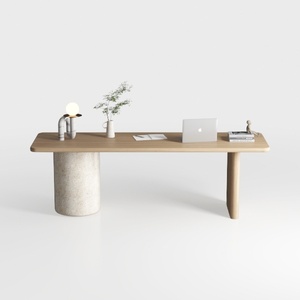
Minimalist Japandi Solid Wood Concrete Office Desk 3D Model
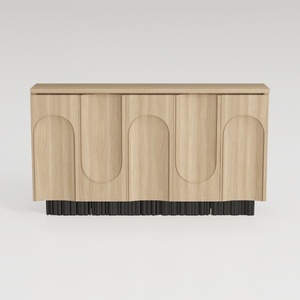
Minimalist Solid Oak Wood Sideboard with Fluted Black Base 3D Model
Discover the ease of home design with Homestyler! This intuitive online platform offers a fantastic design tool, stunning 3D renderings, and a wealth of design projects along with helpful video tutorials. Perfect for both beginners and experienced designers looking to bring their visions to life!
立即免费设计
































