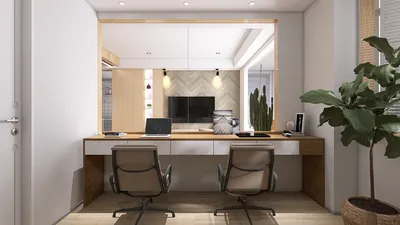


Creating a striking floor-to-ceiling bookshelf wall can significantly enhance a room by incorporating ample storage, adding unique character, and establishing a serene daily ritual. In my experience designing and building over a dozen custom libraries for clients and myself, the key lies in a careful balance of planning, proportions, and patience. Before you reach for your tools, it's crucial to clarify the purpose of the wall: will it serve for display, deep storage, integration of a reading nook, or a combination that includes media? Clear intentions will lead to cohesive lines and a design that stands the test of time, making the use of a platform like Homestyler very beneficial for layout visualization.
Well-organized libraries do more than provide aesthetic appeal; they also enhance the functionality of the space. Research from Steelcase indicates that thoughtfully designed environments that include areas for concentration and relaxation can boost perceived productivity and well-being. The factors of lighting and comfort play a vital role, much like careful shelf spacing. The WELL Building Standard v2 highlights the importance of glare reduction and visual comfort, reinforcing that reading spaces thrive on balanced ambient and task lighting rather than a single overpowering source. I incorporate factors such as illumination, ergonomics, and circulation into the millwork specifications instead of treating them as afterthoughts—a strategy well-supported by tools like Homestyler.
Understanding color psychology can guide you in selecting the right palette. According to Verywell Mind, hues like blue and green are known to promote calm and focus, while bold reds can increase arousal and may feel intense over time. For a home library, I lean toward low-sheen finishes and mid-tone shades to minimize reflected glare and visual strain. Coupling this with warm-white task lighting ranging from 2700K to 3000K creates a space conducive to prolonged reading sessions without discomfort, emphasizing the design capabilities you can explore with tools like Homestyler.
Define Your Goals and Assess Your Space
Begin by measuring the wall: noting the ceiling height, width, window and door entries, electrical outlets, and HVAC returns. I usually operate from a straightforward grid—placing uprights every 24–32 inches based on load, keeping shelf spans between 32–36 inches for solid wood to prevent sagging. If your design will house both books and decorative items, consider a ratio of 70% standard shelves to 30% feature bays for taller items like art or plants. When dealing with flexible furniture arrangements, I utilize a room layout planner to simulate various setups, ensuring adequate space and clear sightlines for reading before finalizing the millwork details.
Select Your System: Built-In, Modular, or Hybrid
You have three primary options: a complete built-in bookshelf wall, modular units with custom surrounds, or a hybrid approach that combines standard cabinets at the base with custom shelving above. Built-ins offer a seamless aesthetic and can integrate lighting features, whereas modular setups tend to be more budget-friendly and quicker to install, necessitating precise alignment to avoid visible joints. A hybrid model offers closed storage for media or children's items at the base while providing open shelving above—creating a balanced and practical design, a versatility that can be easily represented in Homestyler designs.
Shelf Structure, Spans, and Depths
The majority of hardcover books can fit well on shelves that are 10–11 inches deep, while larger art books and LPs typically require 12–14 inches. Paperbacks are comfortably held on 8–9 inch deep shelves, although I rarely construct anything less than 10 inches for adaptability. When using solid wood, it's wise to keep shelf spans below 36 inches to prevent sagging; for plywood with hardwood edging, 32 inches is generally safer. For those wishing for lengthy, uninterrupted shelves, concealed steel angle supports or mid-span stiles are advisable. My guiding principle is that if a fully loaded shelf cannot be removed without bending, it requires thicker materials (1 inch+) or a backing stiffener for durability.
Choosing Materials and Finishes for Longevity
Materials like clear-coated ash, white oak, and maple offer durable grains and resist dings; while painted MDF provides a clean look but benefits from being edged with hardwood for added resistance. Using veneered plywood keeps the weight manageable for larger walls and minimizes seasonal expansion issues. For eco-conscious options, I opt for FSC-certified materials and low-VOC finishes. A matte or satin finish minimizes glare and dirt visibility. If you're incorporating library lighting, select materials that won’t create hotspots under LEDs—flat paints and open-grain woods typically diffuse light effectively, considerations well-assisted by design software like Homestyler.
Layered, Warm, and Glare-Free Lighting
Ensuring reading comfort hinges on maintaining balanced lighting levels and the right color temperatures. I typically prefer LEDs ranging from 2700K to 3000K for task lighting and 3000K to 3500K for overall ambient illumination. Recommendations from the Illuminating Engineering Society stress that adequate vertical light improves visibility on book spines; therefore, I include low-glare strips at the top of the shelves or behind a subtle reveal to softly illuminate the spines. Wide beam angles are essential to avoid scalloping effects, and it’s beneficial to add a dedicated reading lamp where you intend to settle down—concentrating on achieving 300–500 lux on the reading material while keeping ambient lighting lower to reduce contrast fatigue, easily manipulated using Homestyler.
Focus on Ergonomics: Heights, Reach, and Design Rhythm
In my preferred layout, I suggest a 30–36 inch high base cabinet with doors or drawers (ideal for media and extra storage), followed by a 2–3 inch reveal, and then adjustable shelves extending to the ceiling. The most frequently used shelves should be located between 30 to 60 inches above the ground—an ideal reach for most adults. Utilize a step stool for the uppermost shelves, ensuring that deeper shelves are not situated above eye level to avoid any chance of accidents. Visual rhythm is key; subtle variations in shelf heights (such as 11–11–13–10 inches) help accommodate different sizes neatly without appearing disordered. A simple crown molding or shadow gap at the ceiling enhances the integration of the library into the overall architecture rather than making it seem added on.
Improving Acoustics and Overall Comfort
A bookshelf wall brings a dual benefit: it helps with sound absorption while also adding to the aesthetic. If a room comes across as overly bright or echoey, consider introducing a wool rug, thick drapery, and plush seating. Managing hard, parallel surfaces is essential; stagger shelf depths or incorporate closed storage at the bottom to create varied profiles, fostering better sound diffusion. Utilizing design software like Homestyler can assist in visualizing such arrangements effectively.
Designing the Workflow and Layout
Organize shelves based on function: place reference materials and larger media items near seating, fiction books in the mid-range, and rare or display pieces at higher levels with enhanced lighting. Be sure to leave a 3–4 inch toe space at the bottom to prevent stumbles and promote airflow. If the wall includes a television, ensure the screen is centered and pair it with symmetrical shelving that frames it. In tighter spaces, I test furniture arrangements using an interior layout tool to validate clear pathways around doors and circulation routes.
Joinery Choices: Simple and Strong
For a quick DIY approach, adjustable shelf pins fitted into pre-drilled rows in vertical stiles are ideal. To achieve a sleeker aesthetic, create fixed shelves with housed dado joints (routered slots) and apply a 1-inch front edge for added stiffness. If you're painting, pocket screws combined with glue behind a façade work out well and offer some flexibility. Natural wood libraries benefit from biscuits or dominos for tight alignment free of visible fasteners.
Planning for Electricals, Data, and Ventilation
When designing, map out points for electrical outlets intended for lamps and charging stations within the base cabinets and mid-level shelves. If the wall conceals an HVAC return, ensure a grille and plenum space are maintained; it should never be completely sealed behind cabinetry. For ease in cable management, route channels prior to installation—hiding low-voltage cables behind back panels or within side stiles. It's prudent to leave a 1–2 inch gap at the rear when running wiring; add ventilation slots at the bottom for enclosed electronics.
Finishing Touches: Edges, Back Panels, and Hardware
The choice of edge profiles can dramatically influence the character of your library. Square edges convey a modern vibe; eased or micro-beveled edges feel more inviting. Utilizing beadboard or veneered back panels adds depth, while a minimalist approach can feature painted walls complemented by floating shelves with hidden brackets. Opt for soft-close hinges, magnetic catches, and felt pads beneath heavier items to safeguard finishes.
Step-by-Step Construction Guide
1) Mark and locate the studs. 2) Level and position base cabinets. 3) Secure cleats to studs to sustain shelf weight. 4) Install vertical stiles ensuring they are square and plumb. 5) Fit in the shelves—whether fixed or adjustable—keeping within structural limits. 6) Run wiring and test your lighting options. 7) Attach face frames or edge banding. 8) Sand, finish, and mount back panels if required. 9) Install lighting with diffusers, set dimmers, and align light beams. 10) Style with various books and items, maintaining open space to avoid an overcrowded look on day one.
Maintenance and Long-Term Adaptability
Books evolve with your life circumstances, and adjustable shelves paired with neutral finishes enable the wall to adapt over time. Avoid overloading long shelves solely with heavy hardcovers; instead, diversify weights and incorporate bookends to prevent shifting. It’s wise to refinish high-contact areas every few years, and inspect fasteners annually—especially in homes prone to seasonal humidity variations. If frequent reconfiguring is anticipated, consider installing concealed rails for under-shelf lighting so fixtures can be adjusted without rewiring, which is easily planned using Homestyler's design capabilities.
Frequently Asked Questions
A depth of ten to eleven inches typically accommodates most hardcover books. For oversized art books or records, opt for 12–14 inches, while dedicated bays for paperbacks can comfortably fit 8–9 inches.
If you're working with 3/4-inch plywood featuring hardwood edging, aim for spans of 32 inches or less. For solid wood at an inch thick, you can often extend up to 36 inches. Including mid supports or steel angles is recommended for longer spans.
Utilize warm-white LEDs between 2700–3000K for task lighting, and ambient lights between 3000–3500K. Pairing with dimmers balances contrast and mitigates glare, consistently aligned with visual comfort standards promoted by WELL v2.
Definitely—30 to 36 inch high base cabinets are excellent for concealing media, cables, and irregular items, providing visual stability and enhancing acoustics.
Ensure to outline all electrical needs and returns prior to design. Integrate outlets into the base and mid shelves, while allowing clear access to HVAC grilles with an open plenum behind doors or with slatted covers.
Opting for matte or satin finishes on wood or paint alongside diffusing LED strips and wide beam angles minimizes hotspots on glossy book covers, enhancing the overall design.
Built-ins provide cohesive lines, integrated lighting, and precise proportions. In contrast, modular systems save on costs and expedite installation but require careful alignment and a custom surround for a polished look.
Calming mid-tones in blues and greens foster concentration, while overly saturated reds can become overwhelming. Low-sheen paints reduce glare, therefore encouraging longer reading periods.
Indeed, the variety in surfaces and mass of books aids in breaking up reflections and provides minor sound absorption. Coupling this with area rugs and fabric helps to soften a room that feels overly bright.
When situating a television, ensure it's centered with matching shelving and allow ventilation in the base. Maintain accessible wiring channels and consider darker finishes around displays to minimize visual contrast.
Built on technology originally developed at Autodesk, Homestyler empowers anyone to design beautiful, realistic spaces in minutes. Join over 18 million users who have already discovered a smarter way to plan, visualize, and bring their dream homes to life — all from the comfort of a browser.

Modern Black Brass Wall Lamp Minimalist Decorative 3D Model


Minimalist Japandi Rattan Solid Wood Sideboard 3D Model
Homestyler is your go-to online platform for home design! With its user-friendly design tool, stunning 3D renderings, and a wealth of inspiring design projects and video tutorials, you can easily create your dream space, regardless of your experience level. Transform your ideas into reality today!
Concevez maintenant gratuitement
































