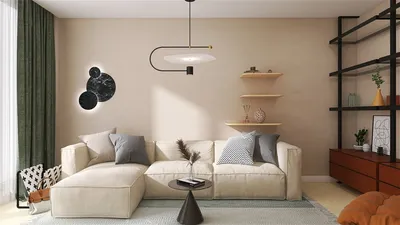


Bringing your Dungeons & Dragons (D&D) character to life through a 3D model is a rewarding endeavor that enhances your tabletop experience or sets the stage for 3D printing. This creative journey involves multiple stages, ranging from initial design concepts to the final rendering and exporting of your model. Here’s a clear guide to help you begin your project:
As a seasoned interior designer, I recognize the power of visual storytelling and how rendering can enhance various creative ventures. The same concepts apply when crafting D&D character models — with a focus on clarity, authenticity, and meticulous detail, the end result gains a professional touch. If you want to elevate your game setup, leveraging tools such as Homestyler can revolutionize your character’s environment, providing rich context to their stories, similar to how we design realistic interiors.
Tips to Consider:
Utilize reference images and concept artwork throughout your modeling process to clarify intricate shapes and clothing textures. Don't hesitate to explore free models, especially if you're just starting out. If you’re a novice in 3D modeling, begin with simpler designs and gradually introduce complexity as you build your skills.
Frequently Asked Questions
Q: What is the best software for beginners who want to model a D&D character?
A: Blender is widely regarded as the best option due to its free accessibility and abundance of tutorials. Additionally, web-based tools like Hero Forge provide an intuitive character creation experience.
Q: Is it possible to 3D print my D&D character after I model it?
A: Absolutely! Just ensure you export your model in compatible formats like .stl or .obj, as most 3D printers can handle these file types to produce physical miniatures.
Q: Do I need drawing skills to create a 3D character?
A: While drawing can aid in concept development and visualization, it's not a requirement. You can use templates and pre-existing meshes instead of relying on drawing ability.
Q: How can I achieve realistic textures for my character?
A: Incorporating high-resolution images, mastering UV mapping, and experimenting with texture painting tools found in most 3D modeling software will help you achieve lifelike textures.
Q: What if I don't have the time to learn a complex modeling application?
A: Utilizing platforms like Hero Forge or AI-driven design tools can streamline the modeling experience, offering seamless customization and automation that simplifies the process.
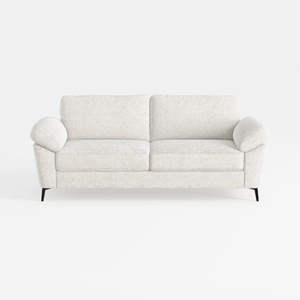
Minimalist Fabric Loveseat Sofa with Black Metal Legs 3D Model
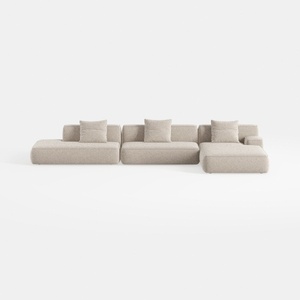
Minimalist Boucle Fabric L Shaped Sectional Sofa 3D Model
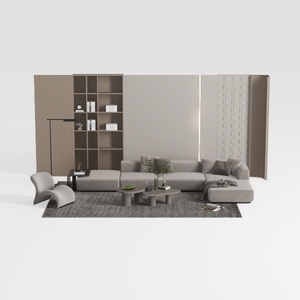
Minimalist Modern Fabric Sectional Sofa Living Room Set 3D Model
Discover your dream home design with Homestyler! This fantastic online platform offers an easy-to-use design tool, stunning 3D renderings, and a wealth of DIY video tutorials. Whether you're a beginner or a seasoned pro, Homestyler makes it simple to create and visualize your perfect space.
Design Now for FREE
































