


I create spaces that exude an unmistakably personal touch—rooms that resonate with pride, joy, and authentic experiences. The concept of gay room decor transcends mere themes; it's a distinct perspective characterized by bold colors, striking patterns, real-life stories, and a rich sensory experience that feels inviting twenty-four hours a day. I ground these creative concepts with data-driven design strategies and practical tips that stand the test of time, often utilizing tools like Homestyler for visualization.
The impact of color choices is often underestimated. As highlighted in Verywell Mind’s overview on color psychology, warm tones such as red and orange invigorate spaces, while shades of blue and green create a calming atmosphere. Research from Gensler in workplace environments links well-designed spaces to enhanced productivity and satisfaction; applied at home, this translates to principles like clear zone definition, effective lighting, and sound management, which consistently elevate everyday comfort. The lighting aspect is equally vital: according to IES recommended practices, task areas generally excel at around 300–500 lux, whereas ambient spaces can relax to 100–300 lux for restful moods. Mastering both color and lighting is essential in establishing your room's emotional foundation.
Frameworks for well-being bolster this design rationale. WELL v2 stresses the importance of glare control, balanced lighting, and visual variety—valuable considerations when selecting fixtures and paint finishes. Research from Steelcase reveals that environments that empower individuals with choices and control lead to greater satisfaction; this principle at home represents furniture flexibility, adjustable lighting, and multi-layered textiles that allow for both personal relaxation and social gatherings. I integrate these options into every design scheme to maintain adaptability and comfort.
Set the Mood with Pride-Inspired Colors
I approach color as a narrative. Drawing inspiration from Pride flags, I opt for shades that evoke sophisticated interpretations. Envision a teal velvet headboard (a nod to trans pride) against a soft blush wall or a saffron throw layered over a slate-colored bedspread (merging non-binary warmth with coolness). Balance saturation is crucial: a single bold wall or rug should be paired with subtler elements to maintain visual harmony. If creating a reading nook, blending blues and greens with warm task lighting mitigates overstimulation; for a party-ready living area, introduce vibrant accents (like magenta or cobalt) along with dimmable LEDs to adjust the energy levels.
Layer Lighting to Enhance Mood and Functionality
Three types of lighting are indispensable: ambient (soft lighting from the ceiling or walls), task (desk lamps and bedside fixtures operating at 300–500 lux), and accent (art lights or LED strips). Opt for 2700–3000K lighting for cozy social spaces and 3500–4000K for work areas. Incorporate dimmers and ensure usage of opal diffusers or shaded fixtures to eliminate glare—aligning with both WELL v2 and IES recommendations. While color-changing LED strips offer fun versatility, ensure a high CRI (90+) for accurate representation of textiles and skin tones. A gently illuminated headboard or cove lighting introduces a soft halo effect, framing the room without clutter.
Curate Queer Art and Personal Memorabilia
Your identity is expressed through what adorns your walls and shelves: zines, posters from local drag events, abstract pieces from queer creators, vintage photographs, and framed textiles—all contribute to a personalized narrative within the room. Combine gallery frames with clip rails or textured wooden shelves to enhance visual interest. Be intentional with sightlines: center significant pieces at a height of 57–60 inches from the floor, with secondary works graduated down to create an appealing visual flow. Utilize low-reflection glass if natural light directly impacts the wall to minimize glare.
Experiment with Patterns While Maintaining Control
Diverse patterns such as stripes, checkerboard, terrazzo, and botanical prints harmonize when they share either color schemes or scale. Pairing a bold geometric rug with subtle patterned cushions and a solid sofa helps stabilize the design. Pay attention to acoustics: plush textiles and thicker rugs absorb sound, enhancing comfort whether for conversation or music. For frequent hosts, integrating felt wall panels or heavy drapes behind electronic devices can diminish echo without appearing overly technical.
Flexible Furniture for Individual and Social Use
A multifunctional room seamlessly transitions from serene mornings to vibrant evenings. Opt for compact modular seating (like a two-seater and an accent chair) and include stackable stools for additional guests. Nesting side tables can double as laptop surfaces. If you're reconfiguring the layout, experiment with various arrangements using a room design visualization tool such as Homestyler to determine the most efficient flow and sightlines. It’s essential to leave 30–36 inches clear around pathways; a distance of 16–18 inches from sofa to coffee table feels comfortable and accessible.
Textiles: Feel as Self-Expression
Queer decor emphasizes tactile variation—bouclé, velvet, washed linen, and faux fur offer contrasting sensations. Start with a durable foundation (for instance, a stain-resistant sofa and machine-washable throws) and layer textures in areas where touch is significant: the headboard, lounge chair, or bed throw. Color-block with cushions in 2–3 complementary hues, varying their sizes, and finish with one statement cushion bearing a distinctive pattern. Link fabric choices to lighting temperature; cooler lighting can make whites appear stark, so using warm-dimmable lamps helps soften materials and enhance skin tones during evening gatherings.
Statement Lighting as Decorative Jewelry
Consider a pendant or sconce as jewelry for the space. A smoked-glass globe over a dining area, a sculptural LED loop beside the bed, or a brass pharmacy lamp near a reading chair can serve as stunning focal points. Position sconces around 60 inches from the floor; in bedrooms, adjust to 48–54 inches based on headboard height to ensure the light illuminates without glare obstructing pillows.
Smart Technology with Intuition
Voice-activated scenes (like "Sunday Slow" or "Pre-Game") can adjust color temperatures and brightness effortlessly. Utilize smart plugs for window LEDs and art lighting. If color-changing bulbs seem over-the-top, stick with white spectrum adjustments and reserve colors for decorative strips behind shelves or beneath the bed frame. Effective cable management is crucial: conceal all wiring through a felt sleeve or under-desk tray to maintain a neat, uncluttered appearance.
Comfort-Oriented Ergonomics
For designated work areas, ensure that the monitor's top third aligns with eye level, while chair height allows feet to rest flat. Adding a footrest if necessary is beneficial. Select a task chair with lumbar support and breathable materials for additional comfort. If your desk also serves as a vanity, incorporate vertical and angled mirrors with 3500K lighting to preserve accurate color representation.
Materials with Significance and Durability
Opt for sustainable choices: FSC-certified wood, low-VOC paints, and resilient finishes that withstand gatherings and late-night creativity. Metal accents like brass or blackened steel introduce an edgy aspect, while natural materials like cork and linoleum provide warmth and sustainability. Glass tables can create a sense of spaciousness in smaller areas, but complement them with plush rugs to prevent an echoing effect.
Small Space Strategies
Maximize floor visibility by using wall-mounted shelves, choosing furniture with legs, and selecting rugs that extend beneath the front legs of the sofa. Strategically position mirrors opposite windows to reflect light and use sheer curtains for privacy without obstructing daylight. Employ a consistent color palette with tonal variations to broaden depth, punctuated by a strong accent piece (like a chartreuse lamp or indigo throw) to introduce personality.
Create a Welcoming Vignette for Hosting
Design a welcoming vignette: include a functional tray with an unscented candle for sensitive guests, a collection of queer literature, and a vase of structural greenery. Position a low-decibel speaker at ear level to maintain conversational volume. Incorporate dimmable lamps near seating areas to subtly encourage guests to gather in desired locations.
Color, Light, and Flow Checklist for Designing
- Choose a 3–4 color palette: a neutral base, two accent colors, and one metallic shade.
- Target 300–500 lux at work surfaces; use 2700–3000K lighting for lounges, with dimming options.
- Art should be positioned at a height of 57–60 inches from the floor.
- Maintain 30–36 inches of space for walking paths; ensure a clearance of 16–18 inches from the coffee table.
- Incorporate one acoustic softening element per wall: such as curtains, textile art, or bookshelves.
- Utilize a layout simulation tool to refine seating arrangements for the best flow.
Frequently Asked Questions (FAQ)
Translate the hues of flags into sophisticated tones, such as converting magenta to raspberry, cyan to teal, and yellow to saffron. Use one bold element (like a rug or headboard) and echo it with two smaller accents to create a cohesive palette, rather than a costume-like effect.
Layer ambient, task, and accent lighting effectively. Aim for 300–500 lux on work surfaces, while relaxed areas should have 100–300 lux. Choose warm-dim lighting (2700–3000K) for lounges and 3500–4000K for work areas. Ensure a CRI of 90+ for accurate color rendering of textiles and skin tones.
Adjust the monitor so that the top aligns with eye level and select a chair with lumbar support. Consider mirrors with side-mounted lights set to approximately 3500K for true color reproduction. Use shallow drawers or organizational caddies for easy switching between work and personal grooming tasks.
Embrace tonal schemes on walls and larger furniture, then introduce a single vibrant accent to stand out. Reflective surfaces can amplify light, while furniture with legs enhances the visibility of the floor. A sizeable area rug can help in providing a sense of expanded space.
Combine a significant hero artwork with two to three smaller pieces that share colors or themes. Ensure consistent framing styles or matting. Hang the primary piece at a height of 57–60 inches for stability, cascading other pieces from that focal point.
Incorporate dense rugs, heavy drapes, and textile art for sound absorption. Bookshelves can serve as diffusers for sound as well. For additional performance, consider felt tiles that closely match the wall colors for an understated acoustic enhancement.
Seek out responsibly sourced options: FSC-certified wooden materials, low-VOC paint, durable upholstery, and warmth-retaining cork or linoleum. Metal accents, such as those made from brass, can contribute longevity, while washable slipcovers extend the lifecycle of your furnishings.
Begin with your primary sightline, such as a TV, artwork, or window. Preserve 30–36 inches for movement, and use a room layout planner to test various configurations for optimal flow and social interaction distance.
Develop distinct scenes: dim ambient lighting to 20–40%, highlight artwork, and increase color temperature to around 2700K. Introduce lamps at varying heights to cultivate intimate settings and encourage natural congregation points.
Dedicate a shelf or wall grid to showcase personal memorabilia. Use shadow boxes for smaller items and stagger heights for visual rhythm. Keeping a consistent backdrop color aids in narrating a cohesive story.
Consider peel-and-stick wallpaper for a statement wall, plug-in sconces with cord management for easy installation, and vibrant rugs. Replace standard knobs with brass or colorful acrylic pulls to refresh storage solutions without the need for drilling.
Conceal hubs in a media cabinet, utilize fabric cable sleeves, and favor white-spectrum tunable bulbs for daily functionalities. Save RGB lighting for decorative uses, such as backlighting shelves or creating a gentle glow under the bed.
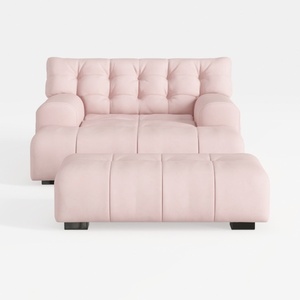
Minimalist Pink Fabric Tufted Chaise Lounge with Ottoman 3D Model

Modern Burgundy Leather Sofa 3 Seater 3D Model

Minimalist Burgundy Fabric L Shape Sectional Sofa 3D Model
Unlock your creativity with Homestyler, the ultimate online home design platform! Easily craft stunning interiors with its user-friendly design tool, explore endless 3D renderings, and gain inspiration from diverse design projects. Plus, enjoy DIY video tutorials to guide you every step of the way. Transform your space effortlessly!
Design Now for FREE
































