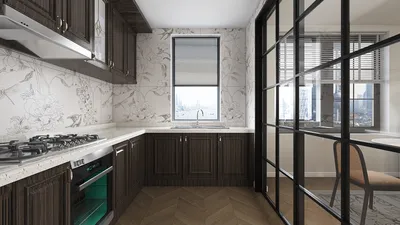


I create worship environments that are thoughtfully designed to provide a sense of calm. These spaces help center the mind, promote reflection, and facilitate spiritual practices. Whether you are creating a cozy home prayer area or a larger meditation space, the primary objective is clarity in design: each element should help alleviate cognitive distractions and enhance tranquility. I prioritize natural lighting, sound management, and ergonomic comfort in my designs, adding in symbolic materials and discreet technology through tools like Homestyler.
Lighting serves as the backbone of a sacred space. According to WELL v2 standards, I employ a vertical lighting strategy that aligns with natural circadian rhythms and visual comfort; my aim is to achieve ambient lighting levels in the range of 100 to 300 lux for peaceful contemplation, with task lighting reaching 300 to 500 lux only where necessary, such as for reading. It's crucial to control glare—using shielded fixtures, matte surfaces, and indirect lighting can mitigate visual strain. In terms of color, Verywell Mind indicates that shades of blue and green promote tranquility and rejuvenation; hence, I often blend soft neutral tones with subtle cooler shades to maintain a calming atmosphere. For further reading on the interplay of light and wellbeing, refer to the WELL v2 guidelines (wellcertified.com) and color psychology insights from Verywell Mind (verywellmind.com/color-psychology).
Establishing Spiritual Intent
A worship area should lead behaviors intuitively rather than through explicit signage. I focus on creating a focal point, such as an altar or meditation area, then ensure clear sightlines and consistent proportions throughout the space. In more secluded areas, a width-to-length ratio of 1:1 to 2:3 often creates a comfortable yet organized feel. For chapels accommodating multiple users, staggered seating combined with a central aisle enhances flow and eases movement. If you are experimenting with furniture layouts or aisle dimensions, a space planning tool like Homestyler can help visualize traffic patterns before making decisions.
Layers of Lighting: Ambient, Accent, and Ritual Illumination
I categorize lighting into three distinct levels: ambient for general calmness, accent for meaningful highlights, and ritual illumination for ceremonial moments. Warm-white ambient lighting at 2700–3000K fosters a welcoming atmosphere; during daylight, diffuse sunlight through sheer fabric or frosted glass to gently soften contrasts. Accent lighting set at 2700–3500K is adjustable to enhance sacred items or textured surfaces, choosing beam angles that avoid harsh edges. For ritual lighting, low-lumen options or candlelight placed near focal points signal a transition into spiritual practice, always ensuring non-flammable alternatives are available. Adhering to IES standard ratios for lighting uniformity helps to avoid conspicuous light-dark transitions that may distract viewers.
Creating Acoustic Comfort with Discreet Technology
Silence is a crafted experience, not an afterthought. For small meditation spaces, a reverberation time (RT60) between 0.4 and 0.6 seconds is ideal, while larger chapels typically aim for 0.8 to 1.2 seconds to maintain warmth suitable for vocal activities or chanting. I carefully balance sound-absorbing elements—textiles, acoustic panels, plush rugs—with diffusion techniques through bookshelves, screens, or intricately designed wood features. To minimize HVAC noise, I ensure ducts are lined, vibrations are isolated, and variable-speed fans are utilized to prevent disruptive sounds from affecting meditation. It’s also advisable to conceal speakers behind decorative panels and opt for wide dispersion for consistent coverage at low sound levels.
Thoughtful Material Choices and Textural Significance
Materials have inherent meanings. I select natural fibers, oiled woods, and mineral finishes such as lime plaster, which evoke steadiness and humility. High-gloss surfaces can reflect excessive brightness, making matte textures preferable for softening light and inviting touch. I advocate for low-VOC paints and sustainably sourced wood to prioritize health and environmental responsibility. Stone entryways or woven paths serve as tactile transitions, gently signaling the shift from everyday life to sacred intention.
The Psychology of Color and Visual Harmony
Colors should convey emotion without being overwhelming. In tranquil rooms, a desaturated color palette—comprising hues like bone, sand, and soft gray—provides a resting place for the eyes. I incorporate restrained tones associated with serenity: calming blue-greens, deep indigos that encourage contemplation, or warm taupe for grounding effects. Bright colors are reserved for minor accents to maintain visual hierarchy. Balancing vertical elements (walls, drapes) with horizontal ones (rugs, low benches) can stabilize the overall composition.
Consideration for Human Factors and Comfort
Posture plays a vital role in spiritual practice. I recommend seating options that cater to varying physical requirements and cultural customs: cushions for the floor that are between 50 and 100 mm thick for firm support; benches with a seat height of 15 to 18 inches; and chairs designed with lumbar support for those engaged in prolonged readings. Ensuring unobstructed paths and smooth transitions for kneeling, while maintaining accessible lighting controls and noise-reducing door mechanics is also essential.
Layout Configurations for Varied Rituals
For solitary meditation, a focal wall accompanied by centered seating works best, while readings and chants benefit from slightly brighter ambient light and paired row seating behind a leader with diffuse lighting to enhance vocal clarity. In communal prayers, a circular or horseshoe layout fosters a sense of connection to the focal point. For multi-purpose spaces, using modular benches and stackable cushions allows for quick adaptations; pre-visualizing options with a room design tool like Homestyler can be invaluable for refining circulation patterns.
Behavioral Indicators and Threshold Transitions
Subtle design cues often yield better experiences than rigid rules. A muted color scheme at the entrance, dimmed lighting, and varied ceiling heights can denote entry into a sacred environment. Utilizing screens or slatted partitions can create soft separations while maintaining connectivity within the space. When culturally appropriate, scent should be light and unobtrusive—using subtler elements such as resins or florals to prevent overwhelming the senses.
Seamlessly Integrating Technology
Technology should remain unobtrusive. I embed dimmable LEDs and utilize programmable lighting scenes for different times of day, with projection surfaces discreetly placed behind textured drapery when necessary. Hiding wireless charging solutions within side tables and strictly managing cables reduces visual clutter. Emergency lighting and exit signs can comply with safety standards while remaining low-glare and consistent in color with the overall aesthetic.
Commitment to Sustainability and Community
Sacred spaces often embody an ethos of care for the environment. I place emphasis on natural ventilation whenever climate permits, implement daylight harvesting with adaptive lighting systems, and choose durable, long-lasting fixtures. Selecting materials with long lifespans—like solid wood, stone, and wool—ensures they age gracefully and requires infrequent replacement. Collaborating with local artisans for custom millwork and textiles further connects the space with its community.
Creating Personal Ritual Spaces at Home
Even a tiny corner can become a peaceful retreat. Define a small altar area with a simple shelf, discreetly tuck away storage for candles or books, and include a single dimmable lamp emitting warm light. A soft rug underfoot and a tactile item—like a crafted bowl or a linen cloth—serve as sensory anchors. Guard the space from visual distractions; a low screen or curtain can often suffice.
Ongoing Care and Maintenance
Maintaining tranquility relies on consistent upkeep. Schedule regular gentle cleaning of textiles, oiling of wood surfaces, and routine changes for HVAC filters. A simple checklist for monitoring lighting scenes, ensuring candle safety, and maintaining sound system settings will empower volunteers or family members to uphold this peaceful atmosphere with ease.
Frequently Asked Questions
For optimal quiet reflection, aiming for ambient light levels of 100 to 300 lux minimizes visual stimulation, with task lighting up to 300 to 500 lux when reading is essential. Employ warm lighting around 2700 to 3000K while avoiding glare through shields and matte finishes, consistent with WELL v2 recommendations on visual comfort.
Target an RT60 of approximately 0.4 to 0.6 seconds in small meditation areas. Introduce sound-absorbing rugs, upholstered seating, acoustic panels, and soft drapery; employ bookshelves or carved screens to diffuse remaining echoes while isolating HVAC and equipment noise.
Neutral bases such as bone, sand, and soft gray combined with muted blues or blue-greens cultivate peace without monotony, reflecting insights from color psychology that connect cool hues to relaxation.
Provide a range of options: firm floor cushions measuring between 50 to 100 mm thick, benches with a seat height of 15 to 18 inches, and chairs that provide lumbar support. Ensure clear aisles and ergonomic access to controls.
For solitary practice: position a central cushion against a focal wall; for communal prayer: opt for radial or horseshoe configurations; during readings and chant: utilize paired rows with gentle diffusion behind the leader. Experiment with layouts using a room design tool like Homestyler to refine circulation.
Absolutely—integrate recessed dimmable LEDs, preset lighting scenes for various phases of the day, conceal wiring, and maintain a minimal interface. Utilize low-glare emergency lights and ensure color consistency across all illumination sources.
Use matte, natural materials such as oiled wood, wool, stone, and lime plaster to soften light and enhance tactile experiences. Opt for low-VOC finishes and durable fixtures that align with principles of environmental stewardship.
Lower light levels, varying ceiling heights, and differences in texture beneathfoot (such as stone to rug) effectively signal transitions. Incorporate slatted screens or curtains for soft separations while maintaining the openness of the space.
Implement a maintenance strategy: regular textile care, oiling wooden surfaces, changing HVAC filters, and periodic inspections of lighting scenes and safety measures. Prioritize organized storage and clutter-free surfaces to sustain tranquility.
Consider using sheer curtains, frosted glass, or exterior shading to mitigate glare. Adopt indirect indoor lighting and select matte finishes to reduce shiny reflections, adhering to IES recommendations on glare management.

Rustic Rectangular Coffee Table, 44.8 Inch
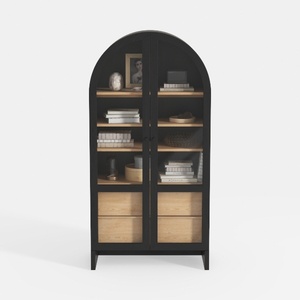
Minimalist Black Oak Arched Glass Display Cabinet 3D Model
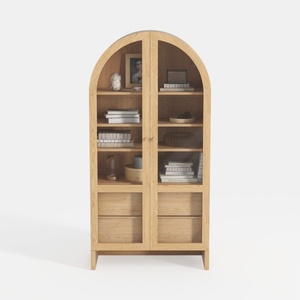
Minimalist Solid Wood Arched Display Cabinet 3D Model
Homestyler is your go-to online home design platform that makes transforming your space easy and fun! With its user-friendly design tool, breathtaking 3D renderings, diverse design projects, and helpful video tutorials, you can confidently create your dream home—no expertise needed!
立即免费设计
































