


I envision a sacred room as a sanctuary where colors serve to calm the mind, channel focus to the altar, and subtly enhance breath and posture. Colors, along with lighting and material choices, can significantly impact our well-being: WELL v2 suggests ambient lighting levels between 300–500 lux for restorative spaces, along with warm white tones ranging from 2700 to 3000K to foster relaxation. Research by Gensler indicates that a sense of tranquility is enhanced when glare is minimized and visual clutter is kept at bay—both of which can be achieved through intentional color selection and matte finishes. These design principles can be easily adapted to create tranquil sacred spaces within our homes using tools like Homestyler.
Color psychology provides robust insight beyond mere aesthetics: verywellmind highlights that soft blues and greens are linked to tranquility and lowered anxiety levels, while vivid reds can spike arousal and heart rate. Ergonomically speaking, maintaining lower contrast around the altar helps mitigate visual fatigue, while a subtly enhanced focal backdrop (by about 10–20% higher reflectance) allows for a more relaxed gaze. For optimizing layout, I often explore altar orientation and seating arrangements using an interior layout planner, such as those available on the Homestyler platform, before finalizing paint choices.
Soft Neutrals that Foster Tranquility
Warm greige, putty, and stone white provide a neutral foundation that does not compete with idols, icons, or reverent artifacts. I aim for a light reflectance value (LRV) between 60–75 to ensure the space feels inviting rather than clinical. Combining a matte or eggshell finish with low-iron glass and natural wood minimizes reflections, thus enhancing focused prayer. In cases where the altar incorporates metallic elements like brass or bronze, these neutral tones allow those accents to shine purposefully rather than distractingly.
Sacred Whites: Layered, Not Stark
Brilliant white can appear stark in bright daylight or harsh under artificial lighting if the color temperature is excessively cool. I prefer a warm white that carries a hint of oat or linen undertones. The lighting guidelines from IES recommend balancing vertical and horizontal illuminance; in practice, a soft wash on the backdrop wall combined with 300–500 lux task lighting for scripture stands helps prevent glare at eye level. A textured white scheme—using materials like limewash, rice paper, or delicate plaster—ensures the environment feels spiritual rather than sterile.
Tranquil Greens for Renewal
Gentle shades of sage, eucalyptus, or tea green serve to promote a sense of renewal without introducing the visual chaos of intense colors. Color psychology suggests that greens can help alleviate stress and boost mental recovery. I pair green walls with materials like natural jute, rattan, or pale ash wood to stabilize the color palette. When incorporating plants into the sacred experience, it’s best to select foliage with a slightly darker tone than the walls to maintain visual harmony and keep the altar as the brightest focal point.
Soothing Blues for Reflection
Light hues such as pale dusk blue, smoke blue, or gray-blue are known to calm the nervous system and beautifully frame metallic accents like gold or copper. To maintain warmth, I incorporate metallic accents and light sources at 2700K. Blues with a touch of gray help cultivate a meditative aura, while a satin finish on trim delineates architectural features without diverting attention from the divine or the displayed scriptures.
Earthy Tones for Grounding
Soft terracotta, almond, and sandy shades reflect the essence of temple stones and earth tones. These colors add warmth and a grounding ambiance, particularly in spaces utilized during sunrise or sunset. Keeping ceiling colors one shade lighter aids in creating an airy and open feel. Using natural lime or clay paints not only regulates humidity but also diffuses light—an effective way to manage glare in brightly lit god rooms.
Subtle Gold Accents Rather Than Overwhelm
Gold plays a significant role in various sacred traditions; however, it’s essential to use it judiciously to avoid overwhelming the senses. I reserve gold for delicate accents such as borders, halo disks, or fixtures, placing it against soft whites or pale stone surfaces. If a gilded background is preferred, keeping the rest of the room in neutral, matte tones ensures balance is maintained.
Controlled Reds and Saffron
Reds and saffron colors hold significant ritualistic value. To maintain a peaceful atmosphere, it's advisable to restrict these hues to textiles, prayer mats, or framed mantras instead of applying them to full walls. If a feature wall is desired, opt for muted tones like cinnabar or dusty saffron, and control lighting levels to approximately 200–300 lux to create a soft glow rather than a stark display. Surrounding these accents with neutral shades allows them to emanate their auspicious energy without heightening tension.
Monochromatic Schemes Highlighting the Altar
A softly layered monochrome scheme—perhaps warm whites throughout the walls, ceiling, and storage solutions—directs attention squarely to the altar. The key lies in micro-contrasts: focusing on varying texture and finish instead of color. Features like flat walls, eggshell cabinetry, and woven textiles create depth without overwhelming visual distractions, ideal for capturing moments during festivals or family rituals.
Lighting, Color Temperature, and Glare Mitigation
Colors perceive differently under various lighting conditions. For a tranquil god room, I recommend 2700–3000K lighting with high color rendering (90+ CRI) to ensure that flowers, fabrics, and icons appear natural. Adhering to the WELL v2 lighting concepts, I maintain ambient light around 300–500 lux, accent lighting on the altar at 1.5–2x the ambient level, and shield lighting sources to decrease direct LED visibility. For activities such as reading or reciting, I recommend adding a small task light at 300–500 lux with a matte shade. Dim-to-warm fixtures transition beautifully for evening prayers or meditation sessions.
Material Choices and Acoustic Comfort
Even the most calming colors can be compromised by harsh acoustics. I incorporate sound-absorbing elements like wool rugs, cork underlays, linen curtains, and unfinished wood to reduce reverberation. Research from Steelcase highlights that lower noise levels and fewer visual distractions enhance focus, translating in a god room to deeper and more consistent experiences during rituals. Selecting paints with matte finishes mitigates light scatter and prevents sharp reflections on metallic idols.
Arrangement, Proportions, and Visual Harmony
Visual harmony flourishes when color supports proportionate design. I design the altar wall to be the brightest area or a step up from adjacent walls, then gradually decrease brightness towards the entrance. This gradient subtly guides movement and maintains focus. For tighter spaces, a lighter ceiling gives the appearance of height; in more expansive areas, a slightly darker floor can anchor the shrine. Sketching preliminary plans and using an interior layout planner like Homestyler to assess clearances before painting or obtaining storage solutions proves helpful.
Recommended Palettes for Varied Ritual Styles
- Walls: Warm linen white (LRV ~72).
- Accent: Pale sand niche.
- Metals: Minimal brushed brass accents.
- Textiles: Off-white cotton and undyed wool.
- Light: 2700K ambient, shielded linear behind altar.
- Walls: Stone white or soft almond.
- Accent: Thin gold outline or halo disk.
- Woods: Matte sealed teak or ash.
- Textiles: Marigold runner and muted saffron cushion.
- Light: 3000K, 90+ CRI; accent at 1.5–2x ambient.
- Walls: Muted sage or eucalyptus.
- Accent: Natural plaster niche.
- Textiles: Linen, jute, or pale ochre throw.
- Light: Control skylight + dimmable 2700K; plant uplight at low output.
Testing Colors and Ongoing Maintenance
Always test color samples at 24x24 inches, observing them during morning, noon, and evening light. Colors shift notably under natural lighting and warm LEDs. Keep touch-up paint stored in labeled containers and choose washable matte finishes, especially if your rituals involve incense or oil lamps. Maintain proper ventilation with discreet exhaust options or operable windows to help retain finishes and keep aromas mild.
Frequently Asked Questions
Q1: What color works best directly behind the altar?
A1: A softly radiant neutral—warm white, stone, or light sand—helps the idol stand out as the central focus while minimizing eye strain. Aim for a higher reflectance level compared to neighboring walls for a gentle halo effect.
Q2: Are bold reds inappropriate for a peaceful god room?
A2: Not necessarily. Use them sparingly as accents in fabrics, framed phrases, or narrow borders. If a red feature wall is your choice, select a muted hue and maintain lower ambient lighting to ensure calmness.
Q3: What lighting levels best support quiet meditation or prayer?
A3: Aim for 300–500 lux ambient light set at 2700–3000K, with accent lighting on the altar set at approximately 1.5–2x ambient. Utilize high-CRI (90+) sources to ensure that flowers and icons appear lifelike.
Q4: How can I prevent glare on metallic icons?
A4: Opt for matte wall paints, shielded fixtures, and cross-lighting techniques instead of direct overhead lighting. Position lights slightly above and angled to graze, rather than bombard, the surface.
Q5: Which colors create a sense of spaciousness in smaller god rooms?
A5: High reflectance warm whites, soft greige, or pale blues enhance the feeling of volume. Ensure ceilings are lighter than walls and avoid visual interruptions with low-contrast trims.
Q6: Can I combine green and gold harmoniously without clutter?
A6: Certainly—select a muted sage backdrop and limit gold accents to just one or two elements, such as a halo disk or fixtures. Maintain the remaining finishes as matte and neutral.
Q7: What materials compliment a serene color palette?
A7: Natural elements like ash, teak, clay, or limewash, alongside linen and wool, absorb sound and light scattering, enhancing tranquility.
Q8: How can I organize storage without cluttering the room?
A8: Consider integrating shallow, closed cabinetry in a color matching the walls to maintain visual continuity. Test door swings and seating area clearances using a layout simulation tool like Homestyler prior to finalizing.
Q9: What color temperature is suitable for evening rituals?
A9: 2700K or dim-to-warm fixtures promote relaxation, enhancing the warmth of whites, golds, and organic materials without harshness.
Q10: Do scented candles impact color perception?
A10: Absolutely—flame sources emit a warm hue that shifts whites towards cream. Balance this with low-output, shielded LEDs to keep the altar well-lit.
Q11: How many colors should I incorporate?
A11: Aim for a palette of 3–4 core elements: primary wall color, one accent, a wood tone, and a metallic touch to maintain coherence and avoid visual disorder.
Q12: What is the best finish for walls?
A12: Opt for matte or washable matte finishes to minimize glare and simplify touch-ups, particularly if your rituals include the use of incense or oil lamps.
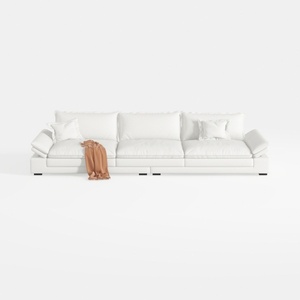

Minimalist White Leather Extra Large Sofa 3D Model

Minimalist White Fabric L Shaped Sectional Sofa with Throw Pillows 3D Model
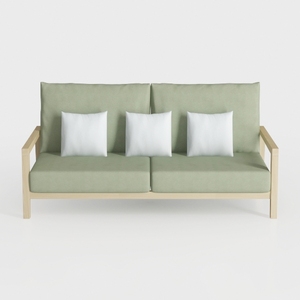
Minimalist Solid Wood Light Green Fabric Loveseat Sofa 3D Model
Discover your inner designer with Homestyler! This advanced online platform offers an easy-to-use design tool, stunning 3D renderings, and a wealth of design projects and DIY video tutorials. Transform your home with creativity and confidence, regardless of your experience level!
지금 무료로 디자인하세요
































