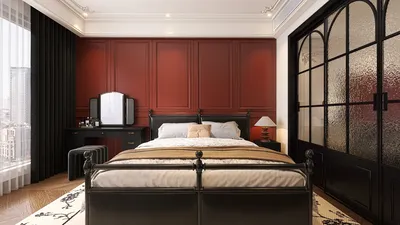


I've created serene prayer corners in various homes, maximizing available space in everything from urban apartments to long hall-living arrangements. A pooja space situated in the hall must evoke tranquility and poise while seamlessly integrating into everyday life. Achieving this balance requires careful consideration of proportions, lighting, acoustics, and materials that respect traditions without obstructing movement.
My design decisions are guided by two essential measurements. First, regarding ambient lighting: the Illuminating Engineering Society advises aiming for approximately 100–200 lux in common living areas and 300 lux or more in specific task zones—ideal for reading scriptures or preparing offerings (source: IES recommended practices). Second, concerning ambient noise: research by Steelcase emphasizes that unwanted sound emerges as a prominent stress factor in workplaces, adversely affecting concentration; similarly, softening echoes around a prayer corner can foster a peaceful atmosphere. Incorporating acoustic materials—like textiles, wood, or cork—can ensure that sounds like chanting or bells remain soothing rather than jarring.
Establishing a Sacred Boundary Without Walls
For compact hall spaces, I employ a gentle threshold created through vertical rhythm and proportion, implementing a low base (6–9 inches), a textured backdrop, and a slender overhead feature to delineate the area. A natural fiber threshold rug signals the importance of the space and encourages guests to remove their shoes. This strategy aims for visual distinction without obstructing air flow or light. It's important to keep the area compact—preferably 24–36 inches deep and 36–48 inches wide—ensuring clear movement without hindrance. To visualize fits or circulation before making decisions, consider utilizing a room layout tool: Homestyler can be an excellent option for layout simulations.
Layered Lighting: Warmth, Clarity, and Lack of Glare
Lighting can significantly influence mood. I advocate for a three-layer lighting strategy—ambient, accent, and candlelight—ideally set around 2700–3000K warm white tones for a calming effect. Aim for 150–200 lux of ambient light in the hall, with focused 300–500 lux accent lighting aimed at the deity wall or niche, enhancing visual interest without harsh glare. Position fixtures thoughtfully, away from direct sightlines, to mitigate glare during seated prayers. Using dimmable LED strips tucked away in a cove and a small wall washer can provide depth without cluttering the view. WELL v2 emphasizes that visual comfort and glare management are crucial for overall wellbeing; maintaining soft contrast ratios (no more than 10:1 between the focal point and the surrounding area) allows the corner to remain calming rather than overly dramatic (reference: v2.wellcertified.com).
Material Choices: Natural, Subtle, and Easy to Maintain
I prefer using tactile, eco-friendly materials such as oiled wood, stone, rattan, and lime-wash or clay finishes. These materials diffuse sound and light effectively, develop appealing patinas, and are straightforward to maintain following incense or oil use. In cases where the hall floor is tiled, adding a small wooden platform or stone slab under the altar can provide grounding and prevent soot from tarnishing the grout. Opting for solid brass or matte metals for bells and diyas minimizes glare. Ensure joints are flush to avoid collecting dust. In terms of color, employing warm neutrals (like sand, wheat, or soft clay) cultivates calmness; research notes that blues produce a sense of peace, while muted reds offer traditional warmth—these should be used sparingly as accent colors rather than base tones (source: verywellmind.com/color-psychology).
Discreet Storage Solutions
As prayer items—like incense, matches, wicks, oil, texts, and festive decorations—tend to accumulate, I recommend designing a slim base drawer (4–6 inches high) with dividers for everyday essentials, alongside a tall side cabinet for lamps and seasonal items. Incorporating push latches creates a seamless exterior. Ensure ventilation slots are integrated beneath the altar shelf to help disperse heat generated by diyas. For frequent fire use, consider a small non-combustible tray made from stone or metal within the wooden shelf to safeguard its edges.
Choosing the Right Placement and Orientation in a Shared Hall
In instances where the hall serves as a passage, position the pooja space against a serene wall, away from distractive elements such as the television or main speakers. Orient seating away from busy paths; I often adjust the altar or mat's angle (10–15 degrees) to align with a quieter line of sight, thereby minimizing visual distractions. It's also essential to maintain a 36-inch clearance for unobstructed movement near the pooja area, ensuring guests do not accidentally interrupt the sacred space. In narrow halls, consider implementing a shallow niche (8–10 inches) with pocket doors that can be closed during gatherings.
Acoustics for Gentle Rituals
In small, compact halls, hard surfaces can amplify sound. Installing a soft rug or runner near the pooja corner, utilizing a fabric panel behind seating, or a slatted wood screen with felt backing can help control reverberation. Aim for a balanced, intimate acoustic backdrop—sufficiently present for mantras while avoiding sharp echoes. If bells sound too loud, consider using bells with thinner walls or wrapping the clapper in a soft leather sleeve to soften the tone.
Efficient Small-Space Solutions
Consider a shallow wall-mounted panel with an integrated ledge and hidden LED strip. A brass inlay line can elegantly frame the center, making it ideal for rental apartments where space must be kept at a premium.
A cabinet 12–14 inches deep featuring slatted or cane sliding fronts can be useful; open during prayer and shut to maintain a subdued visual presence in the hall. Ensure the design includes a heat-proof inset tray for diyas along with a discreet ventilation path at the top.
Implementing a corner plinth (30–36 inches square) integrated with a half-height screen (48–54 inches tall) allows light to filter through without compromising tranquility. The screen can utilize timber slats measuring 12–18 mm thick with gaps of 12–15 mm, offering both an aesthetic and symbolic separation.
Where structural elements permit, a shallow arched alcove can introduce a softer, ceremonial ambiance. Lining it with textured lime plaster and incorporating a delicately designed brass rail for garlands can further enhance the space.
Understanding Color Psychology and Icon Balance
To promote calmness in focal arrangements, focus on one primary icon or deity supported by two to three secondary elements. An overabundance of figures may appear crowded, diminishing reverence due to visual stimuli. You can introduce accent color through floral arrangements, textiles, or a singular backdrop panel in subdued marigold or indigo—colors associated with warmth and reflection according to color psychology studies. If red is incorporated, opt for earthy terracotta shades to retain a gentle feel rather than opting for vivid crimson which may disrupt harmony.
Human-Centric Ritual Ergonomics
Ensuring comfort during seated prayers is critical. If sitting on the floor, include a clearance of 30–34 inches in front of the altar. The main shelf height generally works best at 36–42 inches for standing aarti, while around 24 inches suits seated lighting. Providing a slim cushion (50–60 mm thick) can enhance comfort for extended periods. For elder family members, consider discreet pull-out stools or benches that are low (16–17 inches seat height) yet stable. Control switches should be positioned within reach (36–44 inches from the floor), ensuring safety from reaching over open flames.
Managing Fire and Scent Safely
When planning for real flames, ensure that diyas are situated at least 3 inches from any vertical surfaces and 8 inches below overhead elements. Installing a discreet stainless steel drip tray for oil can maintain cleanliness. If incense usage is frequent, opt for low-smoke sticks or resin cones, paired with holders featuring channels to capture ashes and prevent stray embers. While nearby windows are an asset for ventilation, be cautious to avoid direct drafts that could disturb flames; a small operating vent or a brief post-ritual airing typically suffices.
Optimizing Daylight Without Glare
Natural light significantly enhances the sacred atmosphere, but direct sunlight can fade fabrics and cause glare. Implement sheer drapery to diffuse harsh light, add a narrow light shelf or matte sill to reflect illumination, and ensure any mirrors are kept small and indirect to prevent brightness during peak sun hours.
Festival Flexibility: Preparing for Special Occasions
During festivals like Diwali or Navratri, setups often expand beyond daily requirements. I incorporate a fold-out side ledge or a removable secondary plinth that is utilized for special occasions and can be easily stored away. To manage decorations like fairy lights, include a dedicated, switched outlet inside the shrine cabinet, and retain spare hooks for torans and garlands.
Maintenance Practices for Longevity
Old soot and oil can deteriorate materials quickly if not managed. Select finishes that can withstand gentle soap-and-water cleaning. Establishing a brief weekly routine—such as wiping brass with a microfiber cloth, emptying ash from trays, and periodically re-oiling stone surfaces—maintains the dignity of the corner. Good ventilation following a heavy incense day is paramount to protect fabrics and wall finishes from the residue.
Smooth Layout Planning
Before finalizing designs, sketch the hall layout and evaluate clearances around furnishings. Take practical measurements for knee and reach zones, positioning the altar in a quiet field of vision. To assess options at a larger scale, utilizing a layout simulation tool like Homestyler can effectively illustrate the pooja corner's arrangement alongside furniture and lighting.
Frequently Asked Questions
Typically, a compact footprint of 24–36 inches deep and 36–48 inches wide is effective. Be sure to maintain a 36-inch clear path nearby for smooth circulation.
Using warm white light within the 2700–3000K range fosters tranquility. Strive for 150–200 lux of ambient light in the hall and 300–500 lux accent lighting on the altar, in alignment with IES's guidance for task illumination levels.
Incorporate a small rug, a wall panel with fabric backing, or a slatted wood screen with felt. These elements help reduce echoes, ensuring that bells and chants resonate softly.
Absolutely—consider using sliding fronts (cane, slats, or reeded glass) or a shallow cabinet that can shut completely. Ensure it features ventilation slots and a heat-proof interior surface.
Utilize materials like stone, metal, and heat-resistant ceramics. For wooden shelves, consider an insert made from stone or metal to accommodate diyas, keeping flames safely distanced from vertical surfaces by at least 3 inches.
Employ warm neutrals as a base for calm, accented by a single accent color in subdued marigold, indigo, or terracotta. According to color psychology, shades of blue promote tranquility while reds convey energy—use red thoughtfully and sparingly.
Consistently apply one material or motif—such as a brass inlay, timber finish, or cane design—throughout the decor in shared spaces like coffee tables or side consoles. Ensure a cohesive warm lighting theme all across your layout.
A neat storage solution is invaluable. Implement a shallow drawer for daily necessities and a taller compartment for lamps and festive decorations, keeping the altar visually uncluttered.
Yes, provided glare and drafts are effectively controlled. Utilize sheer fabrics to diffuse direct sunlight, ensuring that flames are shielded from gusts to avoid disturbance and soot dispersion.
Introducing a slim cushion or a low bench (16–17 inches seat height) can improve comfort during seated practices. Ensure control switches are within reach without the need to lean over open flames.
Measure your hall dimensions, test a variety of layouts, confirm clearances, and visualize lighting. A room layout tool like Homestyler can assist in exploring configurations alongside your furniture.
Utilize IES guidelines to maintain suitable lighting levels and adopt WELL v2 principles concerning glare and visual comfort, thus ensuring a peaceful and secure environment.


Homestyler is an outstanding online home design platform that caters to all your interior design needs. With its easy-to-use design tool, stunning 3D renderings, extensive design projects, and helpful DIY video tutorials, you can effortlessly create and visualize your dream home in no time!
Concevez maintenant gratuitement
































