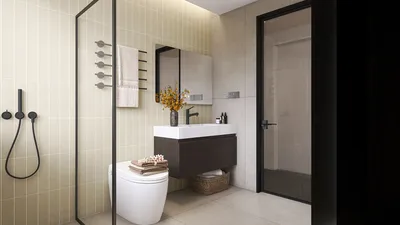


I perceive pooja rooms as uniquely personal sanctuaries, where the choice of floor tiles significantly influences the overall ambiance, sound quality, and daily spiritual practices. The appropriate flooring not only affects comfort but also how light interacts with the space, creating a tranquil environment. In my designs, the choice of tiles harmonizes spiritual significance with practicality, ensuring durability, ease of maintenance, and a lasting sense of peace—all elements that can be beautifully realized using Homestyler software.
Comfort that can be quantified is essential. Research has demonstrated that the visual appeal and material clarity of an environment can lessen cognitive strain; research by Steelcase even indicates that reducing distractions can lead to productivity gains of up to 23%. WELL v2 guidelines further promote low-VOC materials and balanced lighting to enhance well-being and tranquility, with recommended ambient light levels between 300–500 lux to control glare effectively (WELL Light principles; the IES suggests glare reduction through ideal reflectance values). These findings underscore the importance of tile reflectance, finish, and upkeep in creating a soothing atmosphere.
The psychology of color is also crucial for grounding spiritual practices. According to Verywell Mind, shades of blue and green promote a sense of calm and rejuvenation, while gentle neutrals help to diminish stress. By incorporating these colors through tile choices—favoring subtle tones over vibrant hues—you can maintain focus on meditation and prayer. Gensler's studies on environmental coherence similarly suggest that restrained color palettes foster a greater sense of order and serenity.
Essential Guidelines for Selecting Tiles in Pooja Rooms
• Emphasize tactile warmth: Opt for matte or satin finishes, even in stone-look porcelain, to avoid frosty glare and harsh light reflections.
• Ensure slip resistance: Select tiles with suitable DCOF ratings to enhance safety during rituals that may involve water or oil lamps.
• Balance reflectance: Aim for mid-range Light Reflectance Value (LRV) finishes to minimize visual strain while ensuring gentle illumination at the desired 300–500 lux levels (as advised by IES and WELL Light guidelines).
• Simplify upkeep: Given the reality of incense ash and oil spills, choose porcelain that resists stains or durable natural stone treated with penetrating sealers.
• Enhance acoustics: Hard flooring can amplify sound; consider textured tiles or use area rugs (avoiding placement near lamps) to reduce echo.
Material Choices: Porcelain, Natural Stone, and Terra Cotta
Porcelain tiles are favored for their durability, stain resistance, and design versatility. For calming pooja spaces, I suggest matte-finish, stone-like porcelain featuring subtle patterns and dimensions of 600×600 mm or 24×24 in to minimize grout lines. Natural stone options, such as honed sandstone or limestone, lend a timeless sacred essence but require careful sealing and regular maintenance. Terra cotta introduces earthy hues and historical depth; however, select sealed, low-porosity types to handle moisture and oil. High-gloss marble is best avoided in smaller areas due to potential glare and noticeable etching.
Color and Pattern: Soft, Grounded, and Deliberate
• Gentle neutrals: Shades like warm greige, sand, sage, or soft blue-gray align with the calming effects noted by Verywell Mind.
• Subtle designs: Soft marbling or fine linear textures maintain visual interest without detracting focus; keep contrast low to support mindfulness.
• Borders and inlays: A neatly aligned inlay around the shrine base can gracefully define the sacred area; maintain small-scale motifs to ensure harmony.
• Consistent tones: In richly adorned altars, allow the floor to recede in a uniform color to emphasize importance.
Finishes, Edges, and Grout Strategy
Matte or eggshell finishes help limit glare while adhering to the ambient light target of 300–500 lux, keeping highlight reflections minimal. Softened edges facilitate smooth transitions between tiles without sharp lines, and rectified tiles minimize grout visibility. When choosing grout, opt for a color within ±1 tone of the tile to prevent visual disruption. In pooja areas prone to oil use, epoxy grout is advisable for its stain-resistant properties and easy maintenance.
Ergonomics and Ritual Flow
Floor tiles should cater to both seated and kneeling positions. A softer sensation underfoot can be achieved with appropriate substrate materials and strategically placed rugs (with non-slip backing). It's important to maintain clear, slip-resistant paths leading from the entrance to the shrine. For compact pooja rooms, utilizing a layout simulation tool can aid in testing the flow and kneeling arrangements before fixing tile designs: an interior layout tool is recommended for this purpose.
Lighting, Glare Control, and Reflectance
Ambient lighting should promote a calm and even atmosphere. To adhere to IES suggestions, avoid direct downlights that create harsh reflections on glossy tiles; instead, consider diffused lighting options, lampshades, or concealed LED strips. Direct gentle vertical light around the altar to showcase textures and icons, steering clear of creating hot spots. Tile surfaces with a mid-range LRV facilitate balanced light distribution, complementing WELL v2’s aims for glare management and visual comfort.
Acoustic Comfort in Hard-Floor Spaces
Tile floors can amplify sound, which is counterproductive during chanting or when using bells. To maintain tranquility, incorporate soft elements such as fabric wall panels, strategically placed rugs away from flame zones, or upholstered seating. Textured tiles assist in breaking up sound reflections, softening echoes. The goal is to curate a gentle, enveloping sound ambiance that reinforces clarity and focus in rituals.
Sustainability and Indoor Air Quality
Opt for low-VOC adhesives and sealants to comply with WELL v2 materials standards. Typically, porcelain tiles consist of inert, stable components; pair them with eco-friendly setting materials. Ensure that natural stone is sourced responsibly, seeking quarry traceability. Choosing long-lasting finishes can also lower the environmental impact over time.
Layout Ideas for Various Room Sizes
• Tiny pooja niches: Opt for smaller tiles (300×300 mm) with closely spaced grout lines to enhance the visual scale. Simplify patterns and synchronize with wall colors.
• Space-efficient rooms: Large-format porcelain tiles with minimal design can make the area feel more expansive; align tiles orthogonally to the shrine for a cohesive look.
• Medium-sized rooms: Introduce a gentle border to frame the altar, complementing it with a soft-textured field tile that focuses attention where it belongs.
• Expansive rooms: Consider a delicate medallion or inlay beneath seating designated for prayer, ensuring non-slip surface finishes and unobstructed routes to the altar. For iterative design planning, test layouts using an interior layout planner: an interior layout planner will be helpful.
Preserving Calm: Maintenance Rituals
Regular dusting eliminates ash and maintains a visually pleasing floor. For porcelain tiles, a neutral pH cleaner suffices. For natural stone and terra cotta, specialized stone-safe cleaners should be employed, alongside resealing on an annual basis or as necessary. Place absorbent mats near oil lamp preparation areas to catch drips and trim candle wicks to minimize soot buildup.
Design Pairings: Altars, Brass, and Natural Textures
Coordinate the warmth of tiles with altar materials; woods such as teak, oak, or walnut create a grounding base. Matte flooring under brass accents mitigates overly bright reflections. Gently incorporate natural fibers—such as cotton or jute—safely and consider a low bench to support comfortable postures during extended prayers.
Expert References to Inform Choices
Leverage research focused on visual comfort and materials for serene environments to enhance your home sanctuary. Refer to Steelcase insights regarding attention and distractions, along with WELL v2 Light and Materials principles for managing glare and promoting low-emission products. These standards effectively translate into smaller sacred spaces, guiding tile selections that genuinely promote tranquility.
Frequently Asked Questions
Q1: Which tile finish is ideal for fostering a peaceful pooja room?
A matte or eggshell finish minimizes glare, allowing for comfortable lighting within the 300–500 lux range while maintaining visual calm.
Q2: Do porcelain tiles outperform natural stone?
Generally, yes—porcelain tiles provide enhanced stain resistance and require less maintenance. While natural stone contributes an authentic sacred character, it necessitates regular sealing and gentler cleaning methods.
Q3: Which colors are effective for maintaining calmness?
Soft neutrals, muted greens and blues, along with low-contrast patterns are effective. Research in color psychology links these tones with relaxation and focus enhancement.
Q4: How can I ensure safety to prevent slipping during rituals?
Select tiles that provide adequate slip resistance (high DCOF). Safeguard oil handling areas with absorbent mats and consider epoxy grout for stain resilience.
Q5: What is the best method to plan tile layout around the altar?
Align tile joints orthogonally to the shrine for organizational alignment. Introduce a subtle border to elegantly frame the altar. Use a room design visualization tool to experiment and refine kneeling and seating areas.
Q6: What type of lighting suits my tiles best?
Opt for diffused ambient lighting with gentle vertical illumination around the altar. Avoid positioning polished tiles under intense downlights to minimize glare as per IES recommendations.
Q7: Can textured tiles enhance acoustic properties?
Indeed, they can slightly disrupt sound reflections. Pair with soft elements such as rugs (appropriately placed), cushions, or fabric panels for a balanced, serene sound environment.
Q8: How do I properly maintain natural stone in a pooja room?
Employ stone-safe, neutral pH cleaners, promptly address oil spills, and reseal annually or as advised by manufacturers to handle whims of absorbency and stains.
Q9: What grout color is advisable?
Select a grout color that is within ±1 tone of the tile to avoid visual discrepancies. Epoxy grout is preferred for its cleanliness and stain-resistant qualities derived from incense or oil.
Q10: Are terra cotta tiles a good option?
Yes, provided they are properly sealed. They add warmth and an earthy essence; choose low-porosity variants and preserve with mild cleaning products.
Q11: Is incorporating underfloor heating advisable?
In colder regions, underfloor heating enhances comfort beneath hard flooring. Maintain moderate temperatures to prevent degradation of natural stone sealing.
Q12: How do existing standards apply to personal sanctuaries?
WELL v2 and IES standards regarding glare reduction, illumination levels, and low-emitting materials seamlessly integrate into small pooja rooms, fostering healthier and more tranquil atmospheres.

Minimalist Bright Green Open Storage Bookshelf 3D Model

Minimalist Sage Green Metal Storage Cabinet 3D Model

Modern Minimalist Sage Green Metal Leg Storage Cabinet 3D Model
Homestyler is your go-to online home design platform! With its user-friendly design tool, stunning 3D renderings, and a wealth of DIY video tutorials, transforming your space has never been easier. Unleash your creativity and explore endless design possibilities today!
Design jetzt kostenlos
































