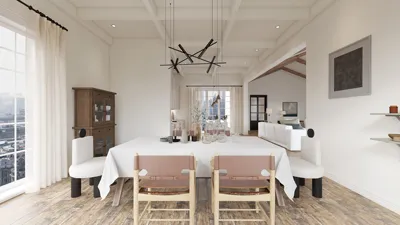


Throughout my career, I have orchestrated weddings in various venues, but Sapna Marriage Hall remains exceptional for its emphasis on comfort, seamless flow, and timeless sophistication. A remarkable venue transcends mere decoration—it's a meticulously designed experience where elements such as lighting, acoustics, seating arrangements, and service routes function harmoniously to enhance your special day. Consider utilizing a tool like Homestyler to visualize your space effectively during the planning process.
Creating the Perfect Environment: Capacity, Comfort, and Flow
Ensuring guest comfort begins with an understanding of realistic capacity and thoughtful spacing. Studies suggest that when personal space is prioritized, guests feel more satisfied and relaxed. For receptions, I generally allocate 10–12 square feet per guest, while banquet setups call for about 14–18 square feet, ensuring service pathways remain unobstructed. Furthermore, adherence to WELL v2 guidelines highlights the need for proper movement, air quality, and a comfortable temperature range of 68–74°F, keeping guests energized and engaged throughout the event.
To preemptively assess guest movement around buffets, photo booths, and dance areas, employing a room layout tool can be beneficial in identifying potential bottlenecks and optimizing sightlines: consider using Homestyler for this purpose.
Enhancing Ambiance with Thoughtful Lighting
My lighting strategy is rooted in IES guidelines, recommending 30–50 footcandles for dining spaces, while workstations, such as carving stations, should have 75–100 footcandles, decreasing to a soft 5–15 footcandles in lounge areas for a warm ambiance. The right color temperature, ideally between 2700–3000K, flatters skin tones and fosters intimacy. Incorporating dimmable lighting—such as dangling chandeliers, wall washing, and focused lighting for important moments—allows for a comfortable setting which soft diffusion reduces glare, encouraging guests to linger longer.
Acoustic Considerations for Clear Communication
A successful wedding creates an atmosphere of intimacy rather than overwhelming noise. I strive for a reverberation time of about 0.7–1.0 seconds in dining areas; utilizing heavy drapes, plush seating, rugs, and acoustic panels helps mitigate echoes in taller spaces. Speakers should be strategically placed for balanced sound distribution, targeting 75–85 dB on the dance floor and 65–70 dB at tables to facilitate conversations. To ensure clarity during toasts and speeches, dedicated microphone lines can be set up, enhancing the overall experience for all guests, especially the older attendees.
The Psychology of Color and Material Selection
Color greatly influences emotions. Research indicates that warmer hues foster social interaction and energy, while cooler shades promote tranquility. For the ambiance at Sapna Marriage Hall, I recommend balancing warm neutrals with vibrant accent colors—like deep emerald or marigold set against soft ivory; textured linens and matte metal finishes help to avoid glare. Choosing durable and easily maintained materials, such as stain-resistant fabrics and low-VOC finishes, aligns with WELL standards, ensuring that the space feels chic yet accessible. Adding candlelight and metallic touches infuses the venue with romance, enhancing photograph opportunities.
Designing Seating Arrangements and Service Paths
Banquet tables should be 60–72 inches in diameter for 8–10 guests, with adequate distance of 60–72 inches between tables for comfort and service. Provide a minimum of 48-inch aisles for staff and emergency access. Position VIPs and elderly guests 30–40 feet away from the stage while keeping a 10–12-foot path clear for entrances and exits. Align buffet stations orthogonally to guest traffic patterns to minimize congestion. A layout visualization tool, such as Homestyler, can greatly assist in refining proportions and angles when dealing with complex layouts.
Focus on the Ceremony Area
The ceremony space should strike a balance between grandeur and intimacy: I apply a golden ratio of 1:1.6 for backdrop width to height, adjusting the clear frontage to a minimum of 12–16 feet based on guest numbers. Side aisles facilitate movement for the priest and photographer without disruption. Gentle uplighting at 2700–3000K, paired with spotlighting on floral arrangements, creates visual depth. It is also vital to manage power sources discreetly to maintain clear pathways for sound and lighting setup while keeping cables organized off the main traffic areas.
Streamlining Food and Beverage Sequences
To optimize buffet service, employ dual-sided access at stations, with 36–42 inch counter heights and a 6–8 ft setback from walls to prevent bottlenecks. For plated meals, organize staging near the kitchen for efficient service, creating separate pathways for clean-up. Water stations should be strategically placed to alleviate congestion among waitstaff; positioning mobile bars in lounge areas can also promote mingling. For events featuring live stations, install discreet queue guides to help maintain order without appearing overly controlled.
Enhancing the Guest Experience: Navigation and Comfort
Effective wayfinding should be both intuitive and aesthetically pleasing: high-contrast signage at eye level should adequately guide guests during peak hours. Ensure compliance with ADA standards, offering routes, ramps, and restrooms that cater to accessibility; maintaining table clearances of 34–36 inches and turning radii of 48 inches is critical for mobility. Additionally, maintaining thermal comfort by avoiding direct drafts on seating areas and providing amenities, such as coat checks and hydration stations, can greatly enhance guest satisfaction.
Technical Integration for Smooth Operations
Organize power sources around key areas like the stage, DJ booth, and photo stations while using cable mats to ensure safety. Photographers appreciate even, warm lighting, particularly adjustable accents. Minimizing background distractions during crucial moments (like the ring exchange or cake cutting) is essential, so test lighting when house lights are dimmed to the optimal event level. For events that incorporate live streaming, dedicated bandwidth and backup microphones are a must. A discreet projector with a short-throw lens can prevent glare for attendees.
Emphasizing Sustainability and Streamlined Clean-Up
Sustainable practices extend beyond merely choosing decor: utilizing LED lighting, low-VOC materials, locally sourced floral arrangements, and reusable ornaments contributes to a lower environmental impact. Showcasing water stations reduces reliance on single-use plastics. Planning the cleanup route should be considerate and inconspicuous—it’s essential to equip staff with rolling carts and clearly labeled waste stations to ensure an efficient breakdown process that respects departures.
Coordinating Timelines and Team Efforts
I craft timelines with designated buffers: allocate 45–60 minutes for guest seating, 20–30 minutes between ceremony and reception for lighting and audio adjustments, and connect with the couple regarding scheduled photo opportunities to keep them engaged without pulling them away from their meals. A concise radio code list for communication (indicating moments like the start of the processional or the cake being ready) ensures that all vendors function cohesively. Marking rehearsal entrances and exits helps alleviate any jitters for participants.
Prioritizing Budget Allocation for Impact
Focus spending on areas that guests will notice: investing in lighting, sound systems, and comfortable seating is paramount. While the scale of floral designs is essential, how they are distributed creates a more significant impact—concentrating focal points rather than dispersing them thinly. Choose one standout feature to anchor your theme and mix in budget-friendly textures elsewhere. Striking the right balance in vendor selection can streamline coordination efforts without compromising quality.
Expert Insights to Elevate Your Event
For design strategies and decisions, I rely on extensive workplace and wellness research that effectively applies to events. Findings from Steelcase illustrate how spatial density influences social interaction and perceived comfort, reinforcing the importance of generous circulation space. The WELL v2 framework offers actionable insights on thermal control, air quality, and lighting solutions that keep guests engaged and healthy. These principles allow Sapna Marriage Hall to harmoniously blend luxury with functionality.
Frequently Asked Questions
Allocate approximately 14–18 square feet per guest. For a gathering of 300 guests, aim for a space of 4,200–5,400 square feet, excluding the stage and service areas.
Recommended lighting levels are 30–50 footcandles for dining areas, 5–15 footcandles for lounge settings, with a warmer color temperature of 2700–3000K. Make sure to include dimming options for smooth transitions.
Aim for a reverberation time of around 0.7–1.0 seconds using soft finishes, keeping sound levels at the dance floor around 75–85 dB and 65–70 dB at dining tables to promote conversation.
Maintain 60–72 inches of space between round banquet tables and ensure service aisles are at least 48 inches wide, with a 10–12 foot clear path for any processional activities.
Opt for warm neutrals paired with matte finishes, complemented by rich accents like emerald or marigold; avoid shiny white surfaces to reduce glare.
Set up dual-sided buffet stations with a 6–8 ft buffer from walls, featuring subtle queue guides of 30–36 inches to assist in crowd control, while placing water stations strategically to alleviate congestion.
Provide ADA-compliant routes with ramps, restrooms, and ensure that table clearances meet at least 34–36 inches, maximizing turning radii of 48 inches. Be cautious to prevent direct drafts from HVAC systems on critical seating areas.
Absolutely. Use a simulation tool like Homestyler to conceptualize seating arrangements, dance floor placement, and service pathways before final decisions are made.
Prioritize your investments in lighting, acoustics, and seating for maximum guest comfort; ensure decor has impactful concentration rather than thin dispersion throughout the hall.
Maintain a comfortable temperature of 68–74°F while ensuring proper ventilation; strategically align HVAC zones to shield the couple and elderly guests from cold drafts.
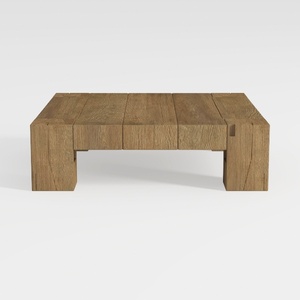
Rustic Solid Oak Wood Coffee Table Minimalist Living Room 3D Model
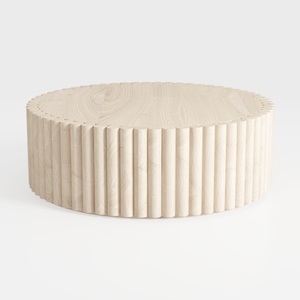
Minimalist Solid Wood Fluted Round Coffee Table 3D Model


Discover your inner designer with Homestyler! This fantastic online platform offers an easy-to-use design tool, stunning 3D renderings, and a wealth of inspiring design projects and DIY video tutorials. Perfect for every homeowner, it empowers you to create your dream space effortlessly!
Concevez maintenant gratuitement
































