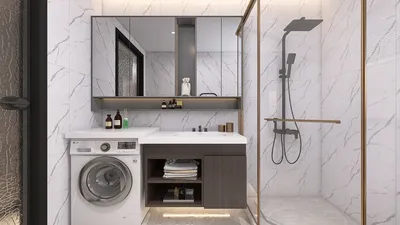


Incorporating a veranda into a small home can create a peaceful transition between indoor living and outdoor experiences, acting as a cozy gathering space and a buffer against various climate conditions. For compact areas, I favor designs that fulfill multiple purposes: to provide protection, facilitate social interactions, and enhance the flow of daily activities. Research from Steelcase indicates that a substantial 85% of individuals report that exposure to nature enhances their well-being and alleviates stress—small verandas contribute to this connection without the need for extensive additional space. Moreover, WELL v2 stresses that access to daylight and outdoor environments significantly improves comfort and mental health, with features tied to natural light linked to reduced stress levels and better cognitive function. Establishing a small home around a thoughtfully designed veranda incorporates these positive aspects into everyday life.
Functionality extends beyond just aesthetic appeal; elements such as light, ergonomics, and acoustics greatly influence how a veranda is experienced in practice. The Illuminating Engineering Society (IES) suggests that casual outdoor seating should receive between 100 to 300 lux for ideal task lighting; insufficient illumination can lead to visual fatigue, while excessive brightness may compel occupants to retreat indoors. Additionally, color psychology plays a crucial role—as noted by Verywell Mind, hues of blue and green are linked to feelings of calmness and restoration, whereas warm neutrals encourage social interactions. I achieve balanced lighting with a combination of matte finishes and gently warm LED lights ranging from 2700 to 3000K, creating an inviting atmosphere that minimizes glare. To experiment with different designs, I often utilize a room layout tool, like Homestyler, to visualize seating arrangements, circulation patterns, and sunlight exposure before finalizing the construction.
Essential Principles for Compact Verandas
When designing verandas for small houses, I prioritize five key elements: a compact structure, layered shading, adaptable seating options, built-in storage, and efficient water management. A modest depth of 1.2 to 1.8 meters (4 to 6 feet) comfortably accommodates two to four individuals without interfering with door operation. For effective shading, a combination of fixed elements, such as eaves or a light pergola, along with movable fabrics or strategically placed plants allows for seasonal adjustments. Integrating built-in benches over narrow storage spaces helps maintain a tidy appearance. Additionally, incorporating a drainage system with a slight slope of 1 to 2% ensures protection for the indoor areas during heavy rain.
Light and Shade: Comfort Feels Without Adding Bulk
The functionality of small verandas heavily relies on effective light management. I design the roof or pergola to block high summer sunlight while allowing low winter light to filter through; in many regions, an overhang measuring 600 to 900 mm (24 to 36 inches) effectively manages midday sunlight for southern exposure. I install warm LED strips in the range of 2700 to 3000K along the beam lines, outfitted with diffusers to minimize glare. Comfortable lighting levels for conversation at seat height should achieve around 100 to 150 lux, while a compact reading nook may require 200 to 300 lux with the help of a portable lamp. Using matte wood finishes and mineral-based paints can assist in controlling reflections, and incorporating lattice or slatted screens softens shadows while maintaining airflow.
Ergonomic Design: Crafting for Comfort
A well-designed veranda caters to the real needs of users, accommodating bodies, bags, and beverages seamlessly. The ideal bench height should range from approximately 430 to 450 mm (17 to 18 inches) to suit most users, combined with a depth of 450 to 500 mm to promote relaxed postures. If the layout permits, an L-shaped corner bench can optimize seating capacity while ensuring a clear pathway of 750 to 900 mm (30 to 36 inches) leading to the door. Table diameters of 500 to 700 mm (20 to 28 inches) are appropriate for gatherings of two to three individuals without disrupting flow. I strategically orient the main seating area towards prevailing breezes and shade while reserving bright spots for plant displays or a narrow working surface.
Smart Layout Strategies for Limited Spaces
When space is limited, clarity in layout becomes paramount. I conceptualize different zones—entry, seating, planting/storage. In cases of extreme compactness, a fold-down table can serve dual purposes as a shelf when not in use. A slender planter rail can outline the space, concealing drainage systems. If the veranda doubles as the main entry point, maintaining a clear width of at least 900 mm (36 inches) from the latch side to the front of the bench is essential to avoid congestion. To facilitate quick design iterations, an interior layout planner such as Homestyler is invaluable for assessing seating counts and door swing clearances before construction starts.
Materials: Sustainable and Weather-Resistant
Choosing materials for a veranda requires a focus on durability and tactile quality. Thermally modified wood provides resistance to decay with minimal upkeep, while bamboo composites offer high wear resistance in slender profiles. If stone is preferred, opting for light-colored pavers helps reduce heat accumulation and enhance glare control compared to polished varieties. For railings and screens, powder-coated aluminum is ideal for its lightweight nature and easy maintenance. Incorporating soft furnishings, such as solution-dyed acrylic fabrics and outdoor rugs, contributes to the overall ambiance, while utilizing recycled-content composites minimizes environmental impact without compromising performance.
Greenery: Maximizing Plant Efficiency
Plants not only enrich the aesthetic appeal of a small veranda but also play a key role in shaping microclimates and providing privacy. I integrate vertical trellises adorned with fragrant climbing jasmine or compact herb gardens along the railing for both beauty and functionality. A mix of tall pots and low bowls can create visual rhythm without taking up valuable floor space. To minimize maintenance, I run drip irrigation lines beneath benches, ensuring surfaces remain dry. The strategic use of greenery can reduce noise and soften the view, effectively expanding the perceived size of the space.
Acoustic Considerations for Tranquility
Small outdoor areas can significantly benefit from acoustic design considerations. Understanding that soft textiles, wooden slats, and plants can absorb sound is crucial. When facing busy streets, employing a dual-layered approach of slatted wood combined with plantings can disrupt high-frequency noises. Avoid creating fully hard surfaces; instead, a mix of soft and hard materials can reduce echoes and enhance conversational clarity.
Color Psychology: Influencing Mood and Perception
In compact spaces, color selections can regulate perceptions of scale. Cool shades of green and muted blues visually extend boundaries, creating an illusion of spaciousness. Accents in warm terracotta can foster a welcoming atmosphere around seating areas. I prefer a serene base color palette accented by one vibrant feature, whether it be cushions, a door, or a planter, to energize the setting while avoiding cluttered appearances.
Climate Adaptation
When designing for specific weather conditions, it's essential to adapt appropriately: in regions with heavy rainfall, a steeper pitch and gutters with leaf guards are necessary for protecting surfaces; in hotter climates, employing ventilated roofs and reflective finishes helps to mitigate heat. Windy environments require stabilization of lightweight furniture and plant containers. During colder months, portable infrared heaters can enhance usability but should be installed following manufacturer clearance guidelines to ensure safety.
Budget-Friendly Yet Impactful Strategies
To maximize impact on a limited budget, focus on three key enhancements: built-in bench storage, effective shading, and ambient lighting. These elements will dictate the overall functionality, comfort, and durability of the space. Implementing modular components allows for gradual upgrades, beginning with seating and a small table, then layering in plants and textiles for additional character.
For those struggling with the arrangement of entrance clearance, seating, and planter dimensions, utilizing a design simulation tool like Homestyler can help visualize multiple configurations: one option may include a straight bench facing the door to maintain clear sightlines, while another might employ an L-shaped bench in the corner to maximize seating while preserving a 900 mm circulation space. Visual planning prior to construction can mitigate costly revisions.
Frequently Asked Questions
Q1: What’s the minimum comfortable depth for a veranda in a small house?
A1: Aim for a depth of 1.2 to 1.8 meters (4 to 6 feet). A depth of 1.2 meters accommodates two chairs and a small table, while 1.5 to 1.8 meters allows for a bench without interfering with door operation.
Q2: What is the optimal lighting brightness for a veranda at night?
A2: It’s advisable to maintain ambient lighting at around 100 to 150 lux for conversations and to use a task lamp to elevate brightness to 200 to 300 lux for reading purposes. Employing LEDs in the 2700 to 3000K range with diffusers aids in managing glare, adhering to IES comfort recommendations.
Q3: Which colors create an illusion of spaciousness on a compact veranda?
A3: Using desaturated greens, soft neutrals, and cooler blues visually expands the limits of the space. Warm accents like terracotta and ochre can introduce sociability without making the area feel more confined.
Q4: What materials offer durability and low maintenance?
A4: Durable options include thermally modified wood, bamboo composite decking, and powder-coated aluminum railings. Pairing these with outdoor-rated, solution-dyed fabrics ensures they resist fading and mildew.
Q5: How can I effectively manage rainfall on a small veranda?
A5: Implement a 1 to 2% slope on the flooring away from the entry point, install gutters, and maintain a raised threshold. Ensure planters sit on risers to facilitate proper water drainage and prevent staining.
Q6: Can having a veranda contribute to an improved sense of well-being?
A6: Indeed. Research by Steelcase and WELL v2 highlights the importance of connections with nature and daylight as key factors that reduce stress and enhance comfort. A small veranda facilitates this essential interaction without requiring extensive construction.
Q7: What are the most comfortable dimensions for seating?
A7: Optimal bench dimensions are a height of 430 to 450 mm (17 to 18 inches) and a depth of 450 to 500 mm (18 to 20 inches). It’s crucial to maintain a minimum of 750 to 900 mm (30 to 36 inches) in the walkway leading to doors.
Q8: How can I achieve privacy without sacrificing airflow?
A8: Combining slatted screens with vertical planting can effectively diffuse views while allowing breezes to flow through; you can adjust the slat spacing to 20 to 40 mm based on desired levels of opacity.
Q9: What are the best practices for planning a layout before construction?
A9: Use tape to map out dimensions on the floor alongside a layout planning tool, such as Homestyler, to evaluate circulation, seating capacity, and sunlight distribution. Address any potential issues related to door swings and planter spacing early in the process.
Q10: Are outdoor rugs practical for small verandas?
A10: Absolutely, but ensure to select outdoor-rated, quick-drying weaves. A rug measuring 900 by 1500 mm can help define a seating area and enhance acoustics while avoiding tripping hazards from door movements.
Q11: How do I cope with excessive heat in warm climates?
A11: Employing ventilated roofs, high-reflectance finishes, and breathable materials is key. You can also add adjustable shade sails that pivot with the seasons, positioning seating in breezy corners.
Q12: What types of plants are best for tiny verandas?
A12: Opt for compact herbs, climbing varieties on trellises, and small shrubs in tall, narrow pots. It's important to choose plant species based on your light availability, grouping varieties by their watering needs to simplify care.
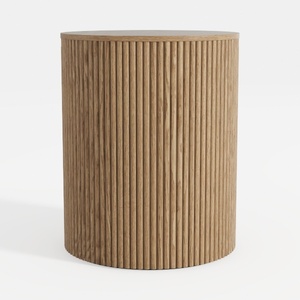
Minimalist Fluted Oak Round Side Table 3D Model

Minimalist Solid Wood Linen Armchair with Throw Pillow 3D Model
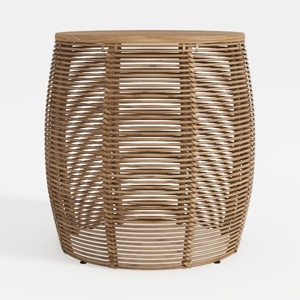
Homestyler is your go-to platform for transforming your home visions into reality! Enjoy a user-friendly online design tool, stunning 3D renderings, and an extensive library of design projects. Plus, with engaging DIY video tutorials, you'll gain the confidence to create your dream space effortlessly!
立即免费设计
































