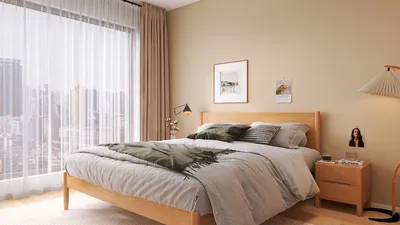


Creating a romantic atmosphere in a bedroom involves a careful blend of elements such as light, sound, touch, color, and flow, all of which contribute to making the space feel safe and connected for two individuals. Over the years, I have fine-tuned these elements to subtly enhance intimacy without falling into common clichés. It all begins with ensuring measurable comfort. According to WELL v2 guidelines, using warm lighting with a color temperature ranging from 2700 to 3000K in relaxation areas can foster a calm atmosphere. For optimal bedroom lighting, the Illuminating Engineering Society suggests levels between 10 and 50 foot-candles, promoting relaxation as you wind down. These specifications are crucial as they enable a lighting environment that can be easily adjusted to suit personal preferences.
Behavior heavily influences design. Research by Steelcase indicates that individuals, whether at work or at home, thrive when granted choices and control over their surroundings, leading to reduced stress and enhanced engagement. When it comes to bedroom design, this translates to features like independent dimming controls, personalized reading lights, and adjustable shading options, allowing each person to tailor their comfort level without disturbing the other. Color also has a significant impact; studies show that softer shades like muted pinks, soft peaches, and warm neutrals can create feelings of calm and affection, contrasting with energizing red tones that might be overstimulating. Use deep red tones sparingly, focusing on fabrics rather than paint.
Set the Mood with Various Lighting Layers
To establish a romantic ambiance, I employ a three-layer lighting strategy: ambient, task, and accent illumination. Ambient lighting should emit a warm glow (2700-3000K), be dimmable, and even throughout the space. Options such as cove lighting or shaded ceiling fixtures with diffusers can help minimize glare. Task lighting, essential at each bedside, should feature low-glare shades and a color rendering index of 90+, ensuring that skin tones are presented naturally. Accent lighting adds depth to the room; consider options like toe-kick LEDs beneath the bed, a gently illuminated headboard niche, or a lamp mimicking candlelight to create visual variety. Keeping contrasts soft is vital; harsh lighting can disrupt the tranquil atmosphere you're striving to achieve.
Design a Layout that Promotes Intimacy
Good flow is key to fostering intimacy. I aim for a clear space of 30 to 36 inches around the bed to facilitate easy movement. The bed should be positioned so that partners can see the door without it being directly in their line of sight, which serves as a subtle psychological comfort that diminishes feelings of alertness. Create a close-knit grouping of touchpoints—your bed, seating, and a small table—to minimize barriers to conversation and relaxation. If you're exploring various arrangements, utilizing an interior layout planner like Homestyler can be beneficial for visualizing walking pathways, sightlines, and lighting before making any purchases.
Color Psychology for a Cozy Feel
Opt for warm neutrals with gentle blush undertones, soft taupes, and deep terracottas to calm the senses and complement skin tones. I prefer a two-tone effect: a richer hue behind the bed to provide depth while keeping the surrounding walls lighter to avoid an overwhelming visual weight. High-saturation colors should be reserved for textiles such as throws, cushions, or art pieces that can be easily swapped seasonally. The aim should be to create an atmosphere of emotional warmth, not visual clutter.
Textures and Sensory Experiences
Engaging the sense of touch is essential for romance. Layer three types of textures throughout the space: a breathable linen duvet, a luxuriously soft velour throw, and high-thread-count sheets—percale being ideal for warmer climates, while sateen works better in winter. Incorporate a wool or TENCEL rug beneath the bed, extending it 18 to 24 inches beyond the edges for comfort. Ensure that the color palette remains cohesive, allowing textures to seduce rather than colors overwhelming the senses.
Acoustic Comfort and Technology Management
Sound can disrupt romantic moments. To diminish noise, incorporate a plush rug, an upholstered headboard, heavy drapes with blackout lining, and fabric-covered panels that discreetly hide art or mirrors. Devices producing white noise or utilizing low-velocity HVAC settings can help manage any unexpected sounds. Keep charging stations hidden away and select low-lumen, warm nightlights for late-night excursions. Visible technology should be minimal; if a television is necessary, consider recessing it or draping it with a fabric screen to minimize reflections and noise.
Optimizing Bed and Nightstand Ergonomics
When selecting a mattress, opt for a medium to medium-firm firmness level that accommodates both partners comfortably. Keeping the top surface of the mattress approximately 24 inches from the ground enhances ease of access. Nightstands should ideally match the mattress height or be 1 to 2 inches higher to facilitate easy reach for a glass of water. It’s wise to include two dimmer switches: one at the entry point and one on either side of the bed for convenience. Ensure that outlets are placed conveniently to avoid cords obstructing walkways and position lamps within easy reach to prevent any awkward stretching across your partner.
Inviting Fresh Air, Scent, and Comfort
Proper ventilation is crucial for comfort and intimacy. Keeping the bedroom cooler, ideally between 65 and 68°F (18 to 20°C), can enhance sleep quality. Use breathable natural materials to combat overheating. Introduce fragrances—think cedarwood, sandalwood, or soft floral scents—through discreet reed diffusers or linen sprays. If using open flames, ensure they are safely placed away from flammable fabrics, or opt for warm-dim LED lights that replicate a candle’s glow without safety concerns.
Art, Mirrors, and Creating Visual Focus
Select artwork that narrates your collective experiences: whether travel photos, fluid abstract art, or minimalist sculptures displayed near windows. Limit yourself to two or three larger pieces to avoid overcrowding, creating a more thoughtful arrangement. If mirrors are utilized, angle them to reflect light and textures rather than directly facing the bed, preserving an element of privacy. Matte frames and low-reflective glass minimize glare under soft illumination.
Discreet Storage Solutions
To maintain a serene environment, clutter management is essential. Design a clean ‘conceal line’: utilize closed storage for items such as devices and daily essentials, while open shelving can showcase beautiful items like books or decorative vases. Consider a slim storage bench at the foot of the bed for placing clothes, as well as a functional station for shoes or personal care products.
Sustainability and Material Health
Select low-VOC paints, FSC-certified wooden furniture, and natural or recycled fabrics wherever feasible. These materials not only stand the test of time but also feel pleasant against the skin. Opt for washable slipcovers on upholstered pieces to facilitate easy maintenance without adding hassle.
Creating Ritual Zones that Inspire Connection
I suggest dedicating a small area for relaxation—a snug loveseat or two chairs with a round table for intimate conversations over tea. Incorporate a dimmable sconce or a well-placed lamp at shoulder height, ensuring low seat backs to keep sight lines open. A tray featuring two glasses, a small potted plant, and a shared book can signify that this space is meant for connection rather than just passing through.
- Color temperature recommended: 2700–3000K, with a 90+ CRI standard
- Dimming parameters: 1%–10% smooth dimming throughout layers
- Target illuminance: approximately 10–30 fc ambient, 20–50 fc for task lighting
- Minimize glare through diffusers and opaque lamp shades
- Bed wall area: headboard should cover 70%–80% of the wall width for balanced aesthetics
- Nightstands: aim for width of 60%–80% in proportion to mattress height
- Rug dimensions: extend 18–24 inches out on sides and 12–18 inches at the foot for queen/king beds
Additional Resources and Research
For further insights on lighting performance and circadian support, refer to the WELL v2 guidelines provided by the International WELL Building Institute. In-depth research from Steelcase elaborates on the human need for control and choice in environments, showcasing how these factors can alleviate stress and enhance engagement. Both sources offer valuable contexts for informed decision-making.
Frequently Asked Questions
Q1: What color temperature is most conducive to romance?
A1: A warm white light between 2700–3000K emits a soft and inviting glow. It’s best combined with a high CRI (90+) and dimmable features, allowing for a transition from lively conversation to calm sleep without unpleasant brightness.
Q2: How to address differing sleep and reading preferences?
A2: Implement independent control for both sides of the bed, using wall dimmers alongside adjustable shaded reading lights. Installing blackout curtains and light-blocking privacy screens can also prevent one partner from being disturbed by the other’s activities.
Q3: Is painting the walls red a good strategy for romance?
A3: Red should be utilized as an accent color rather than the dominant hue of the room. Softer shades like blushes, warm neutrals, and terracottas tend to create a more soothing atmosphere under low light. Instead of red walls, reserve bold reds for decor items such as pillows, throws, or artwork.
Q4: Which bed size best supports an intimate environment?
A4: A queen bed works great in smaller spaces and encourages closeness, whereas a king offers more personal space, promoting better sleep quality. For couples prone to nighttime disturbances, a king bed with a comfortable topper maintains intimacy without crowding.
Q5: How can I improve the acoustics of a bedroom without major renovations?
A5: Enhance sound quality by incorporating thick rugs, lined curtains, an upholstered headboard, and fabric wall panels. These solutions effectively absorb different frequencies of sound, reducing echo and making the space more inviting.
Q6: What temperature is ideal for promoting comfort in the bedroom?
A6: Most couples find sleeping comfortably at temperatures between 65–68°F (18–20°C) using breathable bedding. For differing preferences, layering blankets and employing dual-zone duvets or heated throws can prevent temperature issues.
Q7: How can we maintain romance while minimizing clutter?
A7: Create designated closed storage for functional items while curating a few beautiful pieces to display. Using a lidded bench at the foot of the bed and small trays on nightstands can streamline the tidying process effortlessly.
Q8: What materials feel inviting yet practical?
A8: Combine fabrics such as linen, sateen, and velour to achieve temperature regulation and tactile comfort. Select low-VOC paints and sustainable wood materials; they provide longevity and maintain good air quality in the bedroom.
Q9: Are candles a safe addition to intimate lighting schemes?
A9: If you choose to use candles, ensure they are placed in stable, secure holders away from any flammable materials. Alternatively, consider warm-dim LED bulbs or enclosed lanterns that mimic candlelight without any associated risks.
Q10: How should mirrors be positioned in the bedroom?
A10: Mirror placement should focus on reflecting light and textures rather than facing the bed directly. This maximizes brightness while preserving a sense of privacy in the space.
Q11: What rug dimensions work best for a queen or king bed?
A11: For queen-sized beds, an 8×10 rug typically provides 18–24 inches of reveal on either side, while a 9×12 rug works well for kings, achieving similar comfort. Always position the rug under the front two-thirds of the bed for visual appeal.
Q12: How can we effectively plan the room layout before purchasing furniture?
A12: Utilize digital interior design tools or an online platform like Homestyler to assess circulation and clearance; quickly simulating the layout can reveal potential obstacles in lighting and spacing before any final commitments.


Minimalist Solid Oak Square Coffee Table 3D Model

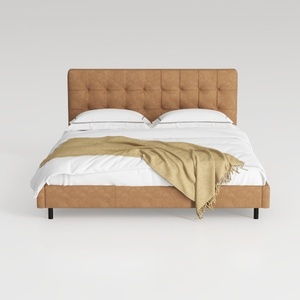
Modern Leather Upholstered King Size Bed With Metal Frame 3D Model
Homestyler is your go-to online home design platform, perfect for unleashing your creativity! With its user-friendly design tool, stunning 3D renderings, and a wealth of DIY video tutorials, you’ll find everything you need to transform your living space into a dream home. Start designing today!
Concevez maintenant gratuitement
































