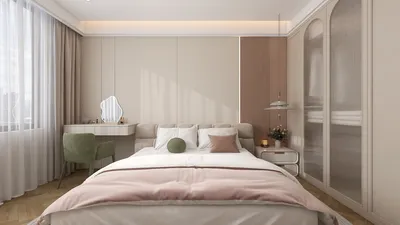


I have created numerous nurseries in various unique spaces, including studio apartments and secondary bedrooms, and the most successful designs treat the crib as the centerpiece of a well-balanced environment: safe, serene, and user-friendly during those late-night wake-ups. Ample space isn't a necessity to achieve this; innovative bed designs, effective light management, and organized storage that enhances mobility play significant roles in enhancing the overall functionality.
Ensure Verified Safety Standards and Sleep Comfort
Before diving into aesthetics, I prioritize sleeping standards and safety requirements. The spacing of crib slats must not exceed 2-3/8 inches (approximately 60 mm), a well-documented safety standard recognized across the U.S. industry. When evaluating the sleeping environment, the WELL Building Standard v2 emphasizes the importance of minimizing noise and reducing glare, contributing to a restorative atmosphere. Practically speaking, maintaining a warm light temperature range of 2700–3000K at night, along with limiting direct glare, soothes both the infant and the caregiver. Research from Steelcase indicates that environmental comfort significantly affects wellbeing and productivity; in the context of nurseries, mitigating noise and establishing gentle lighting patterns alleviate stress and enhance routines.
Selecting the Ideal Bed Design for Compact Rooms
The available space determines the appropriate bed style. In extremely small spaces, options like a mini crib (usually 24–28 inches wide) or a compact bassinet for the first few months can help maintain walking space. For long-term usability, a convertible crib that transitions into a toddler bed is also a great option. If the layout is unconventional, corner cribs or oval mini cribs can alleviate tight spots and improve traffic by reducing protrusions. When positioning the bed, I recommend ensuring at least 24 inches of clearance on one side to prevent bumping into it during the night. For those looking to explore multiple bed configurations swiftly, using a room layout tool like Homestyler can assist in visualizing optimal traffic flow without the hassle of heavy furniture rearrangements.
Positioning: Tranquil, Dim, and Away from Entrances
Placing the crib in a way that protects the baby from drafts and high foot traffic is crucial. I generally avoid positioning the crib directly across from the door, particularly in brightly lit corridors, and steer clear of placement near open windows. Centering the crib against a solid wall provides visual stability and enhances visibility for monitor checks. In studio settings, position the bassinet to ensure nighttime movement avoids interruptions to your kitchen space; your body will thank you for it.
Lighting: Soft Tones and Glare-free Environments
Feeding during late hours feels more pleasant with warm lighting (2700–3000K). Utilizing dimmable sconces or nightlights positioned below eye level helps diminish glare since our eyes are sensitive to brightness contrasts at night. The Illuminating Engineering Society recommends controlling brightness levels to prevent glare problems; in compact rooms, this translates to avoiding exposed bulbs near the crib and using fabric shades for soft diffused light. Combining blackout shades with sheer curtains can defeat early morning light and support nap time, as WELL v2 standards on lighting and noise provide valuable benchmarks for promoting wellness throughout your home.
Psychology of Color: Gentle Neutrals with Soft Accents
Color influences behavior significantly. As noted by Verywell Mind, blues and greens promote feelings of calm and stability. In nursery designs, I prefer to use soft neutrals on larger surfaces—walls and significant textiles like warm grays, creams, or pale sages—while reserving vibrant accents for decorative items such as mobiles or a singular artwork. High-saturation color palettes can energize, which is beneficial for play areas but not conducive to restful sleep. A micro nursery thrives on low-contrast, continuous tones; they create a sense of spaciousness and reduce unnecessary mental clutter.
Sound Management in Limited Spaces
Hard surfaces can amplify sounds in compact areas. To mitigate this, placing a thick area rug beneath the crib can soften footfall noise, accompanied by a fabric panel or upholstered pinboard on the wall opposite the crib to diffuse sound reflections. If shared walls are present, a strategically stacked bookcase filled with soft bins can serve as an effective sound barrier. Positioning white noise machines slightly away from the crib and at a low volume—think of it like a gentle fan instead of a roaring engine—is ideal for a tranquil ambiance.
Ergonomic Considerations: Optimal Heights, Reach, and Nighttime Efficiency
Compact spaces heighten the importance of ergonomic design. The height of the crib rail should allow caregivers to place the baby without straining their shoulders; I typically target a mattress setting that positions the top rail at rib height for most caregivers, adjusting it lower as the baby matures. A changing pad should be easily accessible in a single step from the crib, ensuring clear pathways remain open. Overhead shelving near the crib should be avoided to prevent hazards and visual chaos. If your nursery shares space within the master bedroom, consider using a narrow trolley for diapers and wipes that can easily be rolled in at night and pushed aside during the day.
Smart Storage Solutions That Don’t Clog the Space
Aim for vertical and shallow storage options. A wall cabinet of about 10–12 inches deep for diapers and swaddles keeps necessities within reach while avoiding clutter. Under-crib drawers work excellently for spare linens, but ensure there is proper airflow around the mattress to prevent heat buildup. Labeling soft bins according to routines (like Night, Bath, Outings) can streamline tasks and reduce mental load.
Materials That Ensure Safety and Breathability
Opt for firm, flat, fitted crib sheets and avoid using pillows or heavy blankets during the early months. When selecting finishes, lean towards low-VOC paints and steer clear of strong chemicals. Natural textiles like cotton and linen allow for better airflow and help maintain comfortable temperatures in small rooms that can easily get warm.
Effective Layouts: Small Adjustments with Significant Impact
In narrow spaces, situating the crib against the shorter wall helps preserve the longer axis for movement. For square rooms, slightly offsetting the crib allows for the creation of a small care station (such as a changing area with storage) within a compact 3–4 foot zone. If in doubt, visualize three different arrangements using an interior layout planner like Homestyler to test sightlines before making any permanent decisions.
Trends for Micro-Nurseries in 2024–2025
Expect to see more compact convertible cribs with built-in drawer bases, layered warm lighting with smart dimmers, rounded designs that enhance circulation flow, and compact, quiet recliners replacing larger gliding options. Sustainability is also becoming prominent, evident in the use of low-VOC finishes and durable textiles that are reusable and washable, designed for longevity through toddlerhood.
Frequently Asked Questions
Mini cribs are space-saving, but their safety relies on proper slat spacing (≤ 2-3/8 inches) and a firm mattress with tight-fitting sheets. Always ensure at least 24 inches of unobstructed access on one side.
Position the crib against a solid wall away from kitchen traffic and entrances. Avoid placing it directly across from doors and steer clear of drafts from windows.
Utilize soft neutrals accented with muted blues or greens. High-chroma colors can stimulate, while Verywell Mind connects blue and green hues to calming effects that aid sleep routines.
For nighttime, employ warm lighting in the range of 2700–3000K with dimmable options. Shield bulbs to minimize glare, using fabric shades and indirect lighting to maintain a gentle visual atmosphere.
Blackout shades combined with sheer curtains can effectively promote restful naps and smooth early morning wake-ups by softening incoming light effectively.
Utilize shallow wall cabinets (10–12 inches), drawers beneath the crib for linens, and soft bins labeled by task categories. Avoid deep dressers that may occupy valuable aisle space.
Incorporate dense rugs, fabric wall panels, and softly lined shelving to help absorb sound. Keep white noise machines at a low volume and positioned away from the crib for a quiet environment.
Yes, as long as they maintain a compact footprint and provide under-crib storage. Convertible cribs extend their usability into toddler years, thus saving both space and budget.
It's advisable to avoid shelves over the crib due to safety concerns and visual clutter. Instead, utilize adjacent walls for light, shallow storage solutions.
Ensure the rail is positioned to avoid shoulder strain, maintain a clear single-step route to changing supplies, and utilize adjustable dimmable warm light. Smooth furniture edges can help prevent accidental bumps during late-night care routines.
Discover your home’s potential with Homestyler! This innovative online design platform features a user-friendly tool, stunning 3D renderings, and a wealth of DIY video tutorials. Whether you're a novice or an expert, you can seamlessly transform your space with creative design projects at your fingertips.
Design jetzt kostenlos
































