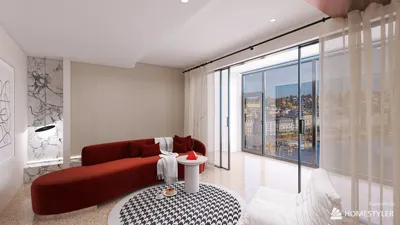


Creating a pooja room oriented towards the north harmonizes Vastu principles with effective spatial design focused on human experience. In traditional contexts, the north signifies wealth and clarity, making it a desirable direction for peaceful and concentrated worship. From my diverse experience in designing homes and apartments, a north-facing pooja area can provide well-distributed ambient lighting and smooth movement, particularly when complemented with proper proportions and color choices. Utilizing tools such as Homestyler can assist in planning this sacred space effectively.
Research indicates that purposeful design in spiritual areas is crucial. The WELL v2 framework suggests minimizing glare and ensuring suitable illumination for visual comfort, while the IES recommendations promote layered lighting and balanced brightness for reading and other activities. On a psychological note, according to Verywell Mind's color theory, cooler tones can invoke a sense of calm and clarity; when combined with warmer accents, these colors create an inviting atmosphere for worship rather than an unwelcoming one. Employing these design standards translates Vastu philosophies into tangible comfort for daily religious practices.
Research from Gensler shows that environments crafted with careful attention to acoustics, lighting, and proportions enhance focus and overall user experience. By applying similar principles to a pooja room, one can create a space where controlled reverberation, intentional sightlines, ergonomic seating, and uncluttered visual fields foster longer, more mindful worship sessions. When designing the space, the use of an interior layout planner or a room design application like Homestyler can help visualize the arrangement of the altar, door swings, and pathways that relate to the north-facing setup.
Essential Vastu Guidelines for a North-Facing Pooja Space
• Entry and alignment: Arrange the altar so that worshippers face east or north while praying. Typically, in north-facing rooms, the shrine is best placed against the east or northeast wall to ensure the devotional focus aligns with favorable directions.
• Shrine positioning: Elevate idols and sacred items to eye level when seated; avoid placing them directly on the floor. Maintain a clean visual backdrop for clearer focus during prayers.
• Quiet separation: Position the pooja room away from busy areas, bathrooms, or kitchens to minimize distractions and humidity. If proximity is unavoidable, prioritizing soundproofing and proper ventilation is crucial.
Spatial Proportions, Rhythm, and Visual Harmony
Typically, north-facing rooms benefit from gentle, indirect lighting—perfect for establishing a serene devotional atmosphere. Strive for visual balance: a central altar flanked by symmetrical storage, and a clear line of movement from the entrance to the shrine. Ideal dimensions for a compact pooja room are between 25 to 45 square feet; larger homes may extend up to 60 to 100 square feet, as long as movement remains fluid. Implementing rhythmic patterns, such as paneled doors and aligned sconces, can foster a sense of order without overcrowding the area.
Lighting: Diverse, Glare-Free Sources
• General lighting: Incorporate a dimmable, indirect source with a warm color temperature of 2700–3000K for evening practices; for morning rituals, pair with a neutral light of 3500–4000K. Aim for consistent brightness levels to prevent harsh contrasts at the altar.
• Functional lighting: Place low-glare fixtures strategically to illuminate texts, incense, and diya setups; use shields to prevent direct visibility of bright bulbs. IES guidelines recommend managing brightness ratios to alleviate eye strain during readings.
• Highlight lighting: Utilize soft, directed accents above or behind the altar for depth and reverence. Ensure minimal flickering and keep flame-based lighting at a safe distance from flammable materials.
Understanding Color Psychology and Material Choices
For tranquility and clarity, blend cool neutral tones (like gentle greys and muted blues) with warm, natural materials (like teak and brass). Verywell Mind's color research indicates that cooler shades enhance concentration, while warm elements foster an inviting atmosphere. Opt for durable textures that improve with age—solid wood for cabinetry, stone or terrazzo floors, and brass for essential items. When using incense or camphor, choose non-porous surfaces by the shrine for simpler cleaning and to prevent staining.
Assessing Ergonomics and User Comfort
• Seating options: Include a low stool or supportive mat that promotes comfort for the knees and lower back. A small platform for foot support can alleviate strain during extended prayer periods.
• Accessibility zones: Place lamps, matches, and prayer books within easy reach (approximately 20–24 inches from where one sits). Store heavier items at waist height to avoid unnecessary lifting.
• Air circulation: Implement cross-ventilation or a quiet exhaust system to prevent smoke accumulation. Consider installing a small operable window in the north or east wall for air exchange while minimizing glare.
Creating Acoustic Comfort and Ritual Flow
While north-facing rooms often enjoy serene street views, internal acoustics also play a critical role. Aim for soft sound reflections—fabric panels, area rugs, and matte finishes can help reduce echoes during prayers or music. Incorporate softer elements opposite solid surfaces for sound balance. If adjacent to a living space, a solid-core door and soundproofing around the edges ensure the rituals remain intimate.
Storage, Hygiene, and Fire Safety Measures
Incorporate hidden cabinetry for scriptures, incense, oils, and fabric to maintain a tidy and respectful environment. Use non-combustible trays under diyas or candles to lower fire risk, and ensure adequate space above the flames. Install a small smoke detector outside the pooja room to ensure safety without unnecessary triggering in communal areas.
Creative Concepts for a North-Facing Pooja Room
• Northeast alcove shrine: Design a shallow niche on the northeast wall featuring a brass backplate and concealed linear lighting to produce a gentle, sacred illumination.
• Decorative lattice screens: Utilize wooden jaali panels to subtly define the pooja area without fully enclosing it. This supports airflow and privacy, while also softening the visual interface.
• Floor differentiation: Incorporate a light-reflective stone inlay to distinguish the sacred zone. Choose a honed finish to minimize glare.
• Simplified iconography: Limit decorative framed pictures or engravings to maintain focus on the ritual space. Select a singular, prominent focal point—avoiding clutter preserves reverence.
Planning and Layout Simulation Techniques
Before finalizing designs, utilize a room layout tool to test altar heights, door movements, and seating arrangements. Simulating flow and furniture layout around a north-facing orientation ensures smooth ritual practices and safe access. Tools like Homestyler can quickly visualize dimensions and storage solutions, paving the way for successful on-site implementation.
Aligning with Home Lighting and Compliance Guidance
Ensure that the pooja room lighting complements adjacent areas to create a cohesive aesthetic. The WELL v2 model advocates for reduced glare and support of natural circadian rhythms; thus, adopting warmer evening settings alongside brighter morning illumination is key. The IES guidelines recommend avoiding direct bright lights in the line of sight; employing shielded fixtures, wall uplighting, and nuanced indirect lighting fosters peace without visual strain.
Considerations for North-Facing Layout and Real-World Solutions
In densely populated urban landscapes, north-facing rooms can seem dim during winter months or overcast days. To counter this, implement high-efficiency, dimmable LED fixtures, light matte wall treatments, and reflective yet non-shiny surfaces around the altar. Where utility spaces must be adjacent, focus on sound isolation and introduce a fresh-air source to preserve the sacred ambiance.
Referencing Authoritative Sources
For guidelines on comfortable lighting and wellness integration, consult the WELL v2 performance metrics and IES lighting standards. For insights into color psychology, refer to Verywell Mind. These resources aid in translating traditional design into consistent, verifiable outcomes in the context of effective pooja room planning.
Frequently Asked Questions
Q1: Is a pooja room facing north considered appropriate according to Vastu principles?
A1: Absolutely. A pooja room oriented to the north is deemed auspicious, especially when individuals face east or north during their prayers and when the shrine is fitted against the east or northeast wall.
Q2: How can I manage lighting to reduce glare on brass idols?
A2: Utilize soft, indirect ambient illumination and position protected light sources above or behind the altar. Following IES guidance helps achieve balanced brightness ratios, preventing direct exposure to harsh light that causes glare on shiny surfaces.
Q3: What color themes promote serenity without appearing cold?
A3: Combine cool neutral colors (such as soft greys and muted blues) with warm materials (like teak and brass). Research from Verywell Mind supports the notion that cooler colors enhance focus, while warm tones keep the environment welcoming.
Q4: What is the ideal dimension for a compact pooja room in an apartment?
A4: Aim for a space of 25 to 45 square feet, ensuring clear access to the altar and concealed storage. Larger homes may extend from 60 to 100 square feet while still maintaining proper proportions and acoustic management.
Q5: How can I effectively control incense smoke and maintain air quality?
A5: Ensure there’s adequate ventilation or a low-noise exhaust system, and use non-porous trays near the shrine for easy cleanup. An operable window on the north or east wall can help facilitate air flow without glare issues.
Q6: What types of seating are ergonomically beneficial for extended prayer durations?
A6: Consider a low seat or a padded mat that provides support for the knees and lower back. Keep frequently used items within a reach of 20 to 24 inches to minimize physical strain.
Q7: What materials are both practical and respectful in this space?
A7: Ideal choices include solid wood cabinetry, honed stone or terrazzo flooring, and brass decor. Opt for matte finishes to lower visual distractions and ensure periodic maintenance to prevent tarnish buildup.
Q8: How can I achieve a quiet environment without heavy drapery?
A8: Use a combination of small rugs, matte wall finishes, and solid-core doors with perimeter seals. These strategies help to reduce sound reverberation while keeping the design sleek and unobtrusive.
Q9: Should I incorporate doors or leave the pooja area open?
A9: Both approaches can work effectively. For improved privacy and sound control, consider using a solid-core door. For better airflow and visibility, lattice screens or low partitions can create defined yet open spaces.
Q10: What safety measures should I take when incorporating flame lighting?
A10: Place diyas on non-flammable trays, maintain sufficient clearance above flame sources, and keep flammable materials away from the altar. A smoke alarm positioned outside the pooja room can provide safety without excessive nuisance triggers.
Q11: Is it possible to coordinate pooja room lighting with home-wide setups?
A11: Certainly. Implement warm ambient scenes in the evenings and brighter neutral settings in the mornings, aligning with WELL v2 recommendations for comfort and routine support.
Q12: How can I effectively plan the layout prior to construction?
A12: Employ a room layout tool to test the heights of the altar, placements for seating, door swings, and storage capacities. Visualizing circulation concerning a north-facing direction will facilitate a refined process on-site.



Homestyler is your go-to platform for all home design needs! Its user-friendly online design tool, stunning 3D renderings, extensive design projects, and helpful video tutorials make home decorating a breeze. Transform your space and unleash your creativity effortlessly!
Design Now for FREE
































